Advertisement



Calcium, magnesium, potassium, and phosphorous are important nutrients that ensure muscles contract as they should. This is especially true for the heart.
Vitamin C aids in the formation of collagen and elastin, which are important for the elasticity and flexibility of muscles. In addition, Vitamin C is a powerful antioxidant that repairs the micro-tears our muscles sustain during hard exercise sessions.
Vitamin E is another proven muscle-rebuilding antioxidant and can diminish delayed onset muscle soreness.
Vitamin C aids in the formation of collagen and elastin, which are important for the elasticity and flexibility of muscles. In addition, Vitamin C is a powerful antioxidant that repairs the micro-tears our muscles sustain during hard exercise sessions.
Vitamin E is another proven muscle-rebuilding antioxidant and can diminish delayed onset muscle soreness.
More About this Book
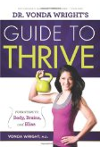
Dr. Vonda Wright's Guide to Thrive: 4 Steps to Body, Brains, and Bliss
Dr. Wright unfolds her Guide to Thrive by preparing readers for six remarkable months of body, brains, and bliss transformation, using her framework of the four practical steps. As a scientist and...
Continue Learning about Vitamins


Important: This content reflects information from various individuals and organizations and may offer alternative or opposing points of view. It should not be used for medical advice, diagnosis or treatment. As always, you should consult with your healthcare provider about your specific health needs.