Advertisement



It sounds like hives.
Body heat and sweating that is generated from exposure to the sun, exercise, hot baths, spicy foods, emotion, or other sources can lead to cholinergic urticaria (hives).
The skin becomes itchy or may have a burning sensation as your body heat rises and you sweat. Episodes usually last 30 to 60 minutes. Headache, abdominal cramping, and other symptoms may happen in severe cases.
This condition is more common in people with allergies, eczema, and asthma, but people without these conditions can have hives, too.
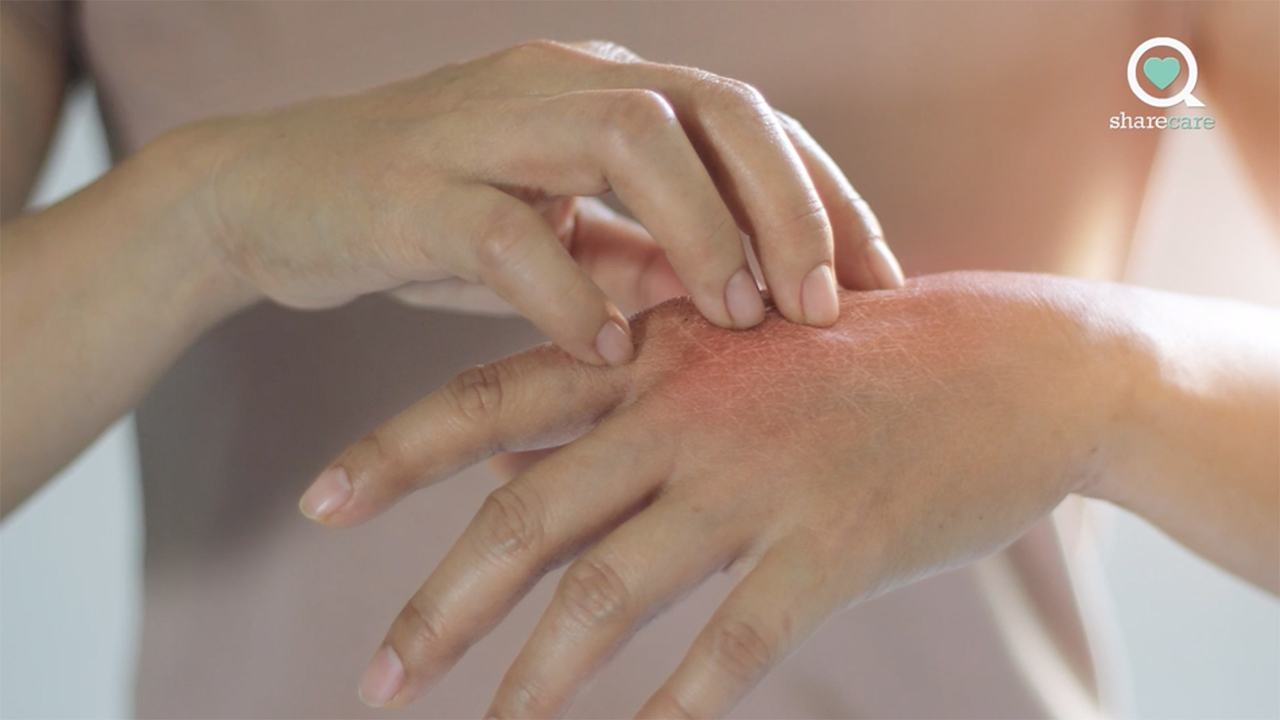
The reaction is caused when the skin's mast cells release histamine. An itchy heat rash may appear as reddened skin.
To avoid hives, you have to stay out of the sun, wear cool clothing, and avoid other factors that raise your body temperature. An antihistamine taken my mouth can be helpful.
Cholinergic urticaria is a type of physical urticaria caused by factors in the environment, such as cold temperatures, pressure, and exposure to water. A person may react to only one factor or to several.
A rare form of hives, called "solar urticaria" can appear just from being exposed to light. This is an allergic reaction with sudden itching and hives. It happens in areas of the skin exposed to the sun, even under thin clothing. In rare cases, the tongue or lip may swell. Headache and nausea are also rare.
Some medications and medical conditions can cause itching and hives with or without any heat or sun exposure. Your doctor can diagnose, suggest treatment options, and make sure there are no other underlying causes.
Body heat and sweating that is generated from exposure to the sun, exercise, hot baths, spicy foods, emotion, or other sources can lead to cholinergic urticaria (hives).
The skin becomes itchy or may have a burning sensation as your body heat rises and you sweat. Episodes usually last 30 to 60 minutes. Headache, abdominal cramping, and other symptoms may happen in severe cases.
This condition is more common in people with allergies, eczema, and asthma, but people without these conditions can have hives, too.
The reaction is caused when the skin's mast cells release histamine. An itchy heat rash may appear as reddened skin.
To avoid hives, you have to stay out of the sun, wear cool clothing, and avoid other factors that raise your body temperature. An antihistamine taken my mouth can be helpful.
Cholinergic urticaria is a type of physical urticaria caused by factors in the environment, such as cold temperatures, pressure, and exposure to water. A person may react to only one factor or to several.
A rare form of hives, called "solar urticaria" can appear just from being exposed to light. This is an allergic reaction with sudden itching and hives. It happens in areas of the skin exposed to the sun, even under thin clothing. In rare cases, the tongue or lip may swell. Headache and nausea are also rare.
Some medications and medical conditions can cause itching and hives with or without any heat or sun exposure. Your doctor can diagnose, suggest treatment options, and make sure there are no other underlying causes.
More About this Book
Harvard Medical School Skin Care and Repair
Where can you get authorotative advice on skin care? There's plenty of advice out there on TV, the internet and in the aisles of stores peddling skin care products. Despite the abundance of products...
Continue Learning about Skin Disorders

Important: This content reflects information from various individuals and organizations and may offer alternative or opposing points of view. It should not be used for medical advice, diagnosis or treatment. As always, you should consult with your healthcare provider about your specific health needs.