Migraines
- What is a migraine?
- What are the symptoms of a migraine?
- What are the different types of migraines?
- What causes migraines?
- What are the risk factors for migraines?
- What triggers migraines?
- How are migraines diagnosed?
- Can migraines be cured?
- How are migraines treated?
- How to manage migraines with complementary therapies
- Can migraines cause complications?
- When should I get medical care?
- How to live better with migraine headaches
- Featured migraine health articles
Introduction
Some may think of migraines as ordinary headaches that come and go, but migraines are anything but ordinary. More than a billion people worldwide live with the effects of migraine headaches, including approximately 39 million people in the United States.
Here you’ll learn why a migraine is more than just a bad headache. You’ll find out what causes the disorder and what triggers a migraine attack. You’ll know how to distinguish migraine symptoms and how to treat them. And you’ll find strategies to help prevent migraine headaches and to live better with the condition.
What is a migraine?
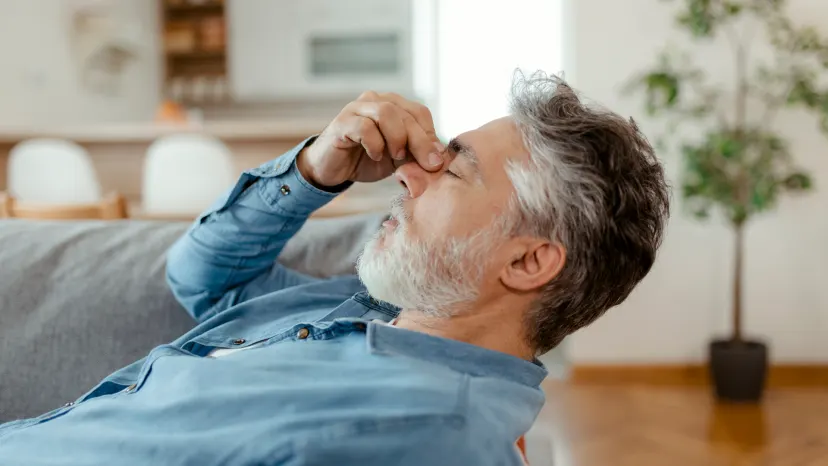
Neurological disorders affect your brain, spinal cord, and nerves inside and outside of your brain—also known as your central nervous system (CNS) and peripheral nervous system (PNS). Migraines are considered a chronic neurological disorder. They’re also classified as primary headaches, meaning they aren’t caused by another health condition.
In contrast, secondary headaches are a symptom of another disease that can activate the pain-sensitive nerves of the head. Secondary headaches may be caused by:
The severe headaches that define migraines may be accompanied by an array of symptoms such as nausea, seeing flashing lights or spots, and an increased sensitivity to light (photophobia), noise (phonophobia or hyperacusis), odors (osmophobia or hyperosmia), and touch (allodynia).
A constellation of symptoms such as these indicates a migraine attack. Some people experience migraine attacks a few times a year while others experience them daily.
What does a migraine headache feel like?
Although the pain caused by migraine headaches can range from mild to moderate or feel like a dull and steady ache, common terms used to describe the intense head pain include:
- Drilling
- Perforating
- Pounding
- Pulsating
- Throbbing
- Debilitating
- Incapacitating
- Relentless
Migraine symptoms can feel all-consuming and may significantly impact a person’s social life and ability to meet responsibilities at home, school, and work.
Migraine headaches often start around the forehead, eyes, or one side of the head. At times, they affect both sides of the head or the pain can move around. During recurring migraine attacks, the slightest physical movement can worsen symptoms—even something as simple as coughing or sneezing.
Migraines may come on suddenly or they may occur at predictable times. This is the case for menstrual migraines (also called hormone headaches), which occur a few days before or during menstruation.
Pain may overlap or be preceded by visual disturbances and other neurological symptoms called an aura. Each migraine attack can last a few hours to a few days. In rare cases, an attack may last weeks to months or longer, depending on the type and severity of the migraine.
What are the symptoms of a migraine?
Migraine symptoms can vary, depending on the type and stage (or phase) of the migraine.
What are the four stages of migraines?
A migraine attack can include a prodrome, aura, headache, and postdrome phase, with each phase producing different or overlapping symptoms. You may cycle through all four migraine phases or just one or a few of them.
Migraine prodrome
Some migraine symptoms can start a few hours to a few days before the headache itself, during what is known as the prodrome or prodromal phase. Around 77 percent of people experience symptoms during this phase that include:
- Edema (swelling) or bloating
- Excessive yawning
- Fatigue or lethargy
- Feeling cold
- Food cravings
- Mood changes such as sadness, anxiety, or irritability
- Muscle soreness or stiffness, especially in the neck
- Phonophobia (increased sensitivity to sounds)
- Photophobia (increased sensitivity to light)
- Restlessness
- Sweating
- Thirst
Migraine aura
The aura phase usually lasts anywhere from 5 to 60 minutes. It typically occurs just before the headache itself but in some cases may overlap with the headache. The aura phase can include symptoms that affect your vision, sensations, speech, and movement, with visual and sensory changes occurring more frequently than speech or movement disturbances.
These may include:
- Seeing a jagged or crescent-shaped arc of light, flickering, bright lines, or blind spots in your visual field
- Auditory hallucinations (hearing music or noises that aren’t there)
- Paresthesias, such as numbness, tingling, or hypersensitivity in your face or extremities (arms and legs)
- Allodynia (increased sensitivity to touch)
- Aphasia (difficulty finding the right words, speaking, or understanding language)
- Tinnitus (ringing in the ears)
Vertigo (sense that you or your surroundings are spinning, rocking, or swaying even though you’re not moving, which can make you feel off-balance, dizzy, and nauseated)
Weakness or paralysis on one side of the face or body
Migraine headache
A pounding or pulsating migraine headache usually lasts anywhere from 4 to 72 hours. Other migraine symptoms can accompany it, such as:
- Allodynia
- Depressed mood
- Insomnia
- Nausea and/or vomiting
- Photophobia
- Phonophobia
- Osmophobia (increased sensitivity to odors)
- Neck pain and stiffness
- Rhinorrhea (runny nose)
Migraine postdrome
Once the intensity of your migraine symptoms ease, the final phase of a migraine attack starts and lasts for around one or two days. During this “migraine hangover” phase, you may still feel fatigued and somewhat sensitive to stimuli such as lights and sounds.
Your body and neck may ache, and your scalp may feel tender. You may also feel dizzy and lightheaded, and you may experience mood shifts ranging from depression to euphoria.
What are the different types of migraines?
The two main types of migraines include migraine with and without aura, according to the International Headache Society (IHS). An aura describes the short-lived visual, sensory, or motor (movement) symptoms that occur shortly before or with a migraine headache.
Migraine without aura
Once referred to as a common migraine, a migraine without aura is the more common of the two main types of migraines. Around 70 to 75 percent of people who get migraines don’t experience an aura before or during a migraine attack, according to the AMF.
A migraine without aura typically produces an intense one-sided headache with photophobia or phonophobia that often gets worse with movement. Other symptoms such as fatigue and mood changes may also occur before a migraine attack or after it subsides.
Migraine with aura
Around one-third of people with migraines experience migraine with aura, previously known as a classic migraine.
This migraine type can affect vision, sensation, speech, and movement. Around 98 to 99 percent of people who experience migraine with aura have visual disturbances such as seeing flashing lights, spots, or zigzag lines. Sensory issues such as numbness or tingling in a hand or in the face occur in about 36 percent of people who experience auras while around 10 percent of people with this migraine type experience speech issues such as trouble talking. Aura symptoms usually last less than 60 minutes.
Aura symptoms are classified as either positive or negative, based on their relation to the central nervous system (CNS). Activation of neurons (nerve cells) in the CNS cause positive symptoms while the absence or loss of function cause negative symptoms, with visual auras occurring most often.
Examples of positive aura symptoms include:
- Allodynia
- Auditory hallucinations (hearing sounds or noise) or tinnitus
- Paresthesia, such as numbness and/or tingling, described as a feeling of “pins and needles” in limbs and extremities
- Vertigo
- Visual disturbances (such as seeing spots or patterns, bright lines or shapes, or flashing lights)
Examples of negative aura symptoms include a reduction or loss of:
- Hearing
- Motion
- Sensation (which may involve numbness)
- Vision (visual field defects, such as blind spots and temporary blindness, are the most common negative aura symptom)
Subtypes of migraine with aura include:
Migraine with brain stem aura
Once called basilar migraine, basilar-type migraine, or basilar artery migraine, the preferred term is now migraine with brain stem aura. The aura symptoms associated with this rare migraine type emerge from the base of the brain known as the brain stem or both sides of the brain (cerebral hemispheres) at the same time.
Like most migraines, they occur more often in people assigned female at birth (AFAB) than in people assigned male at birth (AMAB). Although people of all ages can experience migraine with brain stem aura, they’re more common during adolescence and young adulthood, with symptoms first appearing around ages 7 to 20.
At least two of these symptoms must occur for a migraine to be considered one of this type:
- Ataxia (awkward, unwieldy, or clumsy gait and movements)
- Dysarthria (slurred speech)
- Paresthesia, such as numbness and/or tingling sensation, affecting both arms and/or legs
- Syncope (fainting)
- Tinnitus
- Vertigo
Vision changes such as diplopia (double vision), partial vision loss in both eyes, and seeing spots, patterns, or flashing lights
Hemiplegic migraine
A hemiplegic migraine causes symptoms of physical weakness, which can outlast the migraine headache. More specifically, it causes temporary hemiplegia, which is weakness or partial paralysis on one side of the body. These motor symptoms often start in one hand and gradually spread up the arm and the same side of the face. The one-sided weakness can also switch sides between or during attacks.
The condition can also cause:
- Ataxia
- Disorientation or confusion
- Fever
- Hemianopia (partial blindness or loss of sight in half the visual field of one eye)
- Lethargy
- Other typical aura symptoms such as numbness and tingling in one hand, arm, or face
Weakness associated with hemiplegic migraine symptoms can last an hour to a few days, but it often gets better within 24 hours. Headaches may occur before or after the weakness, or they may not occur at all. Severe attacks can last from days to months before they get better and may lead to coma or encephalopathy (abnormal brain structure or function).
Only around 0.01 percent of people experience the two types of hemiplegic migraine, which includes:
Familial hemiplegic migraine (FHM): This type runs among immediate biological relatives (parents, children, or siblings). Around 50 percent of children with a biological parent who has FHM go on to develop it themselves. Although several inherited gene mutations are thought to play a role in the development of this migraine type, not all people with FHM have these variants.
Sporadic hemiplegic migraine (SHM): Unlike FHM, SHM isn’t inherited and doesn’t have close biological family origins. Rather, it’s thought to occur because of new gene mutations that randomly occur. People with SHM experience common physical and aura symptoms associated with hemiplegic migraine, which can last up to an hour, a day, and sometimes longer.
Retinal migraine
Retinal migraines cause transient monocular visual loss, meaning it temporarily affects one eye. These include symptoms such as:
- Partial vision loss: This may involve blurry or dim vision in parts of the eye or seeing twinkling lights called scintillations.
- Complete vision loss: Blind spots called scotomas develop in one eye, gradually spreading over the course of five minutes or longer and causing complete vision loss in one eye.
Most of the time, these visual symptoms subside after 5 to 60 minutes. A migraine headache usually occurs on the same side as the affected eye within an hour of visual symptoms starting.
Migraine aura without headache
This condition causes a migraine attack with the aura but without the headache. Formerly referred to as acephalgic or silent migraine, the preferred term is now migraine aura without headache. That’s because describing it as “silent” just because a migraine headache isn’t present may diminish the disabling aura symptoms people can experience.
Vestibular migraine
Vestibular migraine is one of the leading causes of vertigo in adults, second only to an inner ear disorder called benign paroxysmal positional vertigo. The migraine type affects up to 3 percent of adults, with people AFAB experiencing it up to five times more often than people AMAB. Many with the condition have a history of motion sickness or sensitivity starting in childhood.
In addition to vertigo, vestibular migraines can also cause other common migraine symptoms, although a headache isn’t always present. These include:
- Blurry vision
- Brain fog
- Dry mouth
- Ear pain, pressure, or ringing
- Fatigue and excessive yawning
- Phonophobia
- Photophobia
- Scalp tenderness
- Sweating
- Tingling
Chronic vs. episodic migraine
The IHS defines chronic migraine as a headache that occurs at least 15 days a month for more than three months in a row. At least eight of these headache episodes involve features of migraine with or without aura.
In contrast, people with episodic migraines have migraine headaches less than 15 days a month. But those who experience episodic migraines may eventually develop chronic migraines. Each year, around 3 percent of people with episodic migraines develop chronic migraines, according to the AMF.
What causes migraines?
Researchers are working to identify the precise cause of migraines. People who experience migraines tend to have more sensitive nervous systems, meaning neurons (nerve cells in the brain) are more easily stimulated. This process is referred to as sensitization.
Neuronal stimulation sparks electrical activity that spreads over the brain, temporarily disturbing the brain’s ability to regulate pain and other functions such as:
- Balance
- Muscle coordination and movement
- Sensation
- Speech
- Vision
Some studies also point to changes occurring in the brain stem and the trigeminal nerve as possible factors associated with migraine attacks. This nerve sends impulses (including those that regulate pain) from the eyes, upper eyelids, forehead, scalp, mouth, and jaw to the brain.
Brain chemicals may cause migraines
Researchers have found that levels of the brain chemical serotonin drop during migraine attacks. This prompts the trigeminal nerve to produce and release more serotonin, which constricts blood vessels in the brain and the layers of tissues that cover the brain called the meninges.
In turn, these changes in the brain can cause a throbbing headache and other migraine symptoms such as nausea, photophobia, and phonophobia. Other brain chemicals thought to increase inflammation and trigger migraine attacks include calcitonin gene-related peptide (CGRP) and pituitary adenylate cyclase-activating polypeptide (PACAP).
Cortical spreading depression may cause migraine headaches
The migraine headache that often follows a migraine with aura has been tied to a process in the brain called cortical spreading depression (CSD). This is when a wave of increased neural activity and vasodilation (widening of blood vessels) spreads across the brain’s surface followed by a prolonged period of lowered neural activity (also known as spreading depression) and hypoperfusion (reduced blood flow). CSD inflames pain-sensitive areas of the brain, which results in a migraine headache.
What are the risk factors for migraines?
Having one or more risk factors can make it more likely that you’ll develop migraines, although many people with no obvious risk factors can still experience migraine symptoms.
These risk factors include:
Age
Migraine rates start to increase during puberty and early adulthood, continue to rise into middle age with peak rates occurring before the age of 45, and then gradually decline.
Hormones and sex assigned at birth
People assigned female at birth (AFAB) are three times more likely to get migraines compared to people assigned male at birth (AMAB). Each year, around 17 percent of people AFAB and 6 percent of people AMAB are affected by migraine symptoms.
The higher prevalence rates among people AFAB may be due to biological and psychological differences between people AFAB and those AMAB, note the authors of a 2022 review of studies published in Frontiers in Neurology. These might include differences in sex hormones, exposure to environmental stressors, and responses to stress and pain.
The higher migraine rates observed with the onset of puberty and the menstrual cycle and during menstruation, pregnancy, perimenopause, and menopause also indicate that fluctuations in sex hormones contribute to these higher rates in people AFAB.
Family history and genes
A strong link between genetics and migraines has been established. The risk goes up by 40 percent if one biological parent has a history of the disorder and 75 percent if both biological parents have a history of migraines.
Certain inherited gene mutations raise the risk for familial hemiplegic migraine (FHM). These include the genes:
- CACNA1A (calcium voltage-gated channel alpha 1A)
- ATP1A2 (ATPase, Na+/K+ transporting alpha 2)
- SCN1A (sodium voltage-gated channel type 1 alpha)
Epigenetic changes can raise the risk of migraines
Epigenetics describes how behavioral and environmental factors cause changes that influence the way genes work and whether they’re expressed or not (in other words, turned on or off). Unlike genetic changes, epigenetic changes can be reversed and don’t change your DNA.
Certain genes may be involved in epigenetic processes that raise the risk of migraines, including the progression from episodic to chronic migraines.
Other health conditions
Having certain physical and mental health conditions may also raise the risk of migraines. These include:
Metabolic conditions
Various metabolic conditions have been linked with migraines. Examples include:
- Diabetes: A two-way relationship between diabetes and migraines may exist, meaning having one may raise the risk of developing the other.
- High cholesterol and elevated levels of high-density lipoprotein (aka HDL, or “good” cholesterol)
- Hypertension (high blood pressure): Uncontrolled high blood pressure may raise the risk of migraines with and without aura, especially in older adults.
- Obesity: Being obese can raise the risk for episodic and chronic migraines, although this association has most often been observed in people AFAB younger than 55.
Mental health conditions
Multiple studies have identified a strong link between migraines and depression. People with migraine are twice as likely to experience depression. But the relationship goes both ways: People with depression are also more likely to experience migraines.
Although the mechanism isn’t known, it’s thought that factors common to both disorders, such as abnormal brain function and developmental and genetic factors, influence this relationship.
Migraines and anxiety also share close ties and a two-way relationship. But in most cases, people develop an anxiety disorder before they experience their first migraine.
Anxiety disorders are much more common among people with migraines, especially those with chronic migraines. In fact, more than half of all people with migraines meet the criteria for at least one anxiety disorder, according to a 2022 review of studies published in Cureus.
The anxiety disorders most often associated with migraines include:
Can children get migraines?
Children also experience migraines. In fact, around 10 percent of children live with migraines, of which 5 percent are diagnosed before age 10.
Migraine symptoms in children are similar to those experienced by adults. Some children may also experience stomach pain and mood shifts such as irritability or depression during a migraine attack.
What triggers migraines?

Many triggers can set off migraines. Although some of these migraine triggers may not apply to you, knowing which tend to affect you can help you pinpoint those to avoid. Doing so can lower the risk of migraine attacks and lessen the need for migraine treatments.
Diet can trigger migraines
Migraine triggers include foods and drinks that may contain:
- Alcohol such as wine with sulfites (a food preservative)
- Tyramine (a natural amino acid) found in fava, garbanzo, and navy beans, aged cheeses, and pickled foods
- Aspartame (a sugar substitute) in diet soda and other “sugar-free” drinks
- Caffeine (too much or too little when you are experiencing caffeine withdrawal)
- Monosodium glutamate (a food additive/flavor enhancer) in some fast foods, packaged foods, and canned soups
- Artificial food dyes in cereals, candies, juices, packaged snacks, sports drinks, and ice cream
- Nitrates and nitrites (food preservatives) in processed or cured meats like cold cuts, hot dogs, and bacon
- Soy, found in foods like tofu, tempeh, soy milk, and soy meat substitutes
Skipping meals or eating at irregular times throughout the day can also trigger or worsen migraine attacks. Doing so can lead to hypoglycemia (low blood sugar) or dehydration, which can also touch off migraine headaches.
Emotional and mental stress can trigger migraines
Stress is a common migraine trigger and risk factor for the condition. It can also worsen migraine symptoms. And because migraine attacks and the symptoms that follow are stressors themselves, a vicious feedback cycle can result.
Environmental factors can trigger migraines
Bright lights (such as sunlight or fluorescent lights) can prompt migraines. This may be because of the added strain placed on the eyes or light-induced stimulation of the nervous system.
People with migraines also tend to be more sensitive to strong scents and odors. These can also lead to attacks and make migraine symptoms worse. Examples include the smell of household cleaning and hygiene products, flowers, paint, perfumes, and tobacco smoke.
Hormone changes can trigger migraines
Hormone changes can also trigger migraine attacks. In particular, fluctuating estrogen levels that occur during ovulation, menstruation, pregnancy and perimenopause (the transition period before menopause) can cause more frequent or severe migraines.
Overusing pain medicine can trigger migraines
Pain medicine can often cause migraine headaches if it’s taken too often. Long-term or excessive use of prescription or over-the-counter (OTC) pain relievers (such as acetaminophen and ibuprofen) can trigger what’re referred to as rebound or medication overuse headaches.
On the other hand, abruptly stopping oral pain medicine can cause your body to go through withdrawal, which triggers migraine symptoms. This is because your body decreases production of its own chemicals that regulate pain, as it adjusts to the sustained amount of migraine pain medicine in your system.
Sleep disturbance can trigger migraines
The relationship between migraines and sleep works in two directions, as sleep disturbances can trigger migraine attacks while migraines can affect sleep quality and cause sleep issues. Common migraine triggers include sleep disorders such as insomnia, sleep apnea, and restless legs syndrome. Shift work can also worsen migraine attacks along with other events that disrupt the body’s sleep-wake cycle such as jet lag from traveling across time zones.
Reports also point to sleep deprivation and excessive sleep as the most common causes of migraine attacks that occur in the morning. In fact, sleep disturbances such as being sleep deprived can amplify migraine headache pain. This is because fragmented sleep lowers the brain’s pain threshold, making you more sensitive to pain and impairing the body’s natural pain-relieving functions.
Ordinarily, the body naturally clears waste products such as inflammatory proteins from the central nervous system (CNS) during sleep. But disturbed sleep can impede this process and cause waste to build up.
Substances, such as those that induce inflammation, accumulate in the CNS. This can cause and aggravate pain, including migraine headache pain.
Smoking and vaping nicotine can trigger migraines
The nicotine in tobacco products and some e-cigarettes constrict (narrow and tighten) the blood vessels in your brain. This can trigger and aggravate migraine symptoms.
Smoking tobacco can also increase oxidative stress in the body, which can lead to cell damage and, in turn, migraines. It may also be part of a cluster of lifestyle factors—such as poor eating, sleep, and exercise habits—that all contribute to the onset and severity of migraine symptoms.
Strenuous physical activity can trigger migraines
Exercise can trigger migraine attacks in some people. This is known as exercise-induced migraine. It usually involves sustained, vigorous physical activity such as running, rowing, tennis, and weight lifting.
Although the mechanisms behind this aren’t fully known, one theory suggests the rapid rise in blood pressure during strenuous activity causes spasms in the blood vessels that feed the brain, which can trigger migraine attacks.
Dehydration, blood sugar dips, and increased oxygen demand during intense physical activity can also induce migraine symptoms, and so can working out in high altitudes or hot, humid weather.
Sex may trigger migraine headaches
In rare cases, some people may feel a sex migraine headache coming on as sexual excitement or exertion intensifies and just before or during orgasm. The latter may occur because orgasm stimulates some of the same areas of the brain that pain does.
The IHS refers to this condition as headache associated with sexual activity (HAWSA). It occurs in about 1 to 1.6 percent of people of all ages who are sexually active, according to a 2021 review of studies published in Medicina. However, HAWSA is more common in people AMAB, especially those who are:
- Middle-aged
- Mild to moderately overweight and/or who have high blood pressure
- Not physically fit
Traumatic brain injury can trigger migraine headaches
A traumatic brain injury (TBI) often causes what’s called a post-traumatic headache (PTHA), the most common being a migraine or tension headache. A tension headache tends to feel like a tight, squeezing, vice-like band of pain around the head.
TBIs range from mild to severe and may be caused by a bump, blow, jolt, or penetrating injury to the head—all of which can affect how the brain functions. These may occur as a result of a fall, motor vehicle accident, physical abuse or assault, gunshot wound, or a sports-related TBI such as a concussion.
More than 30 percent of people with moderate to severe TBI report PTHA long after the injury occurs, with an even larger percentage of people with mild TBI experiencing persistent headaches. In fact, a 2021 study published in The Journal of Headache and Pain found that on average, participants continued to experience migraine symptoms for more than 14 years after they sustained a mild TBI.
Weather changes can trigger migraines
Hot, humid temperatures can trigger migraines and so can cold, dry weather. Sudden changes in the weather and barometric pressure (the amount of force applied to your body naturally from the air) can also cause migraines. This includes spring migraine triggers due to the weather fluctuating between cool and warm temperatures.
How are migraines diagnosed?
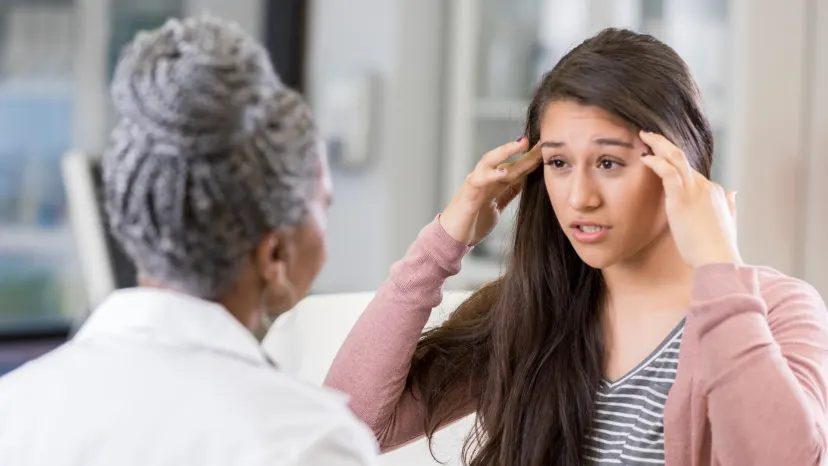
To help determine if migraines or another health condition are the cause of your symptoms, your healthcare provider (HCP) will talk with you in more detail about each symptom. They’ll likely ask you to track and monitor possible migraine symptom information prior to your appointment to help with the diagnosis, such as:
- What symptoms you’re experiencing, including any that occur before, during, or after a headache
- How your headache and other symptoms feel, including their character (such as throbbing, pulsing, dull, or sharp), how intense they are, and where you feel them
- How long your symptoms last
- What time of day your symptoms occur
- Whether you notice any changes in your mood, behavior, or personality before, during, of after symptoms occur
- If and how movement, activities, or changing physical positions affect your symptoms
- If and how your symptoms affect your sleep
- If you notice any symptom patterns, such as whether they occur when you feel stressed, get too little or too much sleep, have certain foods or drinks, or when the weather changes
- What, if anything, relieves your symptoms
They’ll also discuss your personal and family medical history and lifestyle habits and perform a physical exam to paint a more thorough picture of your health.
Migraine neurological exam
Your physical exam will likely include a neurological (neuro) exam to rule out other possible causes for your symptoms. During the neuro exam, your HCP may test your:
Coordination and balance: You may be asked to walk in a straight line, placing one foot right in front of the other, or close your eyes and touch your nose with your index finger.
Mental status: They’ll ask questions such as the time, date, and place and ask you to perform tasks. These may include naming objects, drawing certain shapes, and recalling a list of items.
Reflexes (automatic response to stimulation): They’ll tap different areas of your body (such as your kneecaps, elbow, or ankle) with a small hammer with a rubber head. If your reflexes are working normally, the area of the body that’s tapped will respond by moving a certain way.
Motor (muscle) strength: This involves comparing how strong your grasp is in both hands, as well as testing your arm and leg strength against resistance.
Sensation: This includes touching your legs, arms, or other body parts with various instruments (such as a tuning fork, dull needle, or alcohol swabs) and asking you to identify sensations such as cold, heat, and pain.
Cranial nerves: These nerves connect your brain with your ears, eyes, face, nose, neck, throat, tongue, upper shoulders, and some organs. Testing may include identifying various smells, sticking out your tongue and trying to speak, and moving your head from side to side. Your HCP will also test your hearing and vision.
Autonomic nervous system (ANS): Your ANS controls functions such as breathing, blood pressure, heart rate, and body temperature. Your HCP may check your blood pressure and heart rate while you’re sitting, standing, and lying down. They may also check the way your pupils respond to light, as well as your ability to sweat normally.
Migraine without aura diagnosis
If your symptoms don’t have any unusual features, your HCP may be able to diagnose or rule out migraine without aura based on the following IHS criteria:
You must have experienced at least five separate episodes of migraine symptoms, of which each (untreated or unsuccessfully treated) migraine headache lasted 4 to 72 hours. In addition, your migraine headaches must include at least two of the following characteristics:
- Unilateral location (pain occurs on one side only)
- Pulsating or throbbing quality
- Moderate to severe pain intensity
- Symptoms made worse by routine physical activity (such as walking or climbing stairs)
The headache must also be accompanied by at least one of the following:
- Nausea and/or vomiting
- Phonophobia
- Photophobia
Migraine with aura diagnosis
To meet the IHS criteria for migraine with aura, you must have experienced at least two migraine attacks that involve at least one of the following types of reversible aura symptoms:
- Visual
- Sensory
- Speech and language
- Motor (movement)
- Brain stem
- Retinal
Plus, at least three of the following:
- At least one aura symptom spreads gradually over 5 or more minutes.
- Two or more symptoms occur one after the other.
- Each aura symptom lasts 5 to 60 minutes.
- At least one aura symptom is unilateral.
- At least one aura symptom is positive.
- Migraine headache occurs at the same time or within 60 minutes of aura symptoms starting.
Diagnostic tests to rule out other health conditions
Although there aren’t specific tests to verify whether your symptoms are due to migraines, your HCP may recommend running various tests to rule out other health conditions. This may be the case if certain signs and symptoms you have don’t fit the typical migraine or headache profile, are new or particularly worrisome, or overlap with other health conditions.
Other tests may be indicated in situations that raise red flags, such as:
- Thunderclap headache, an explosive headache that comes on quickly, reaching peak intensity within 60 seconds or less and is described as the “worst headache of your life.” (This headache requires emergency medical care as it may be a critical warning sign of a subarachnoid hemorrhage, which is bleeding in the area between the brain and the thin tissues that cover it due to a ruptured blood vessel.)
- Abnormal neurologic exam, especially if there are unexplained symptoms or signs (such as confusion, stiff neck, seizure, or papilledema, which is swelling of the eye’s optic nerve)
- Signs and symptoms that aren’t typical of migraines
- Changes in your typical migraine symptoms or patterns
- Onset of symptoms after age 50
- Systemic or meningeal signs or symptoms (such as fever, weight loss, or fatigue)
- New neurological signs or symptoms, including altered mental status
- Headache not relieved by treatment
- Headache lasts longer than 72 hours
- Significant change in the frequency, pattern, or severity of headaches
- Headache that’s severe enough to wake you up while sleeping
- New onset of headache in people with cancer or an immunosuppressive disorder such as HIV or AIDS
- Signs or symptoms pointing to meningitis or stroke
To make help make an accurate diagnosis, your HCP may recommend one or more of these tests:
Neuroimaging scans
A neuroimaging scan is an imaging test that scans the brain and other parts of the nervous system. Your HCP may order one or more of these tests:
Computed tomography scan (CT): A brain and/or cervical spine CT can detect issues in the brain and spinal cord (such as bleeding or brain tissue damage or death due to a stroke), large brain tumors or spinal cord or nerve compression). A CT of the paranasal sinuses (hollow spaces in the skull and facial bones around the nose) can rule out severe or complicated sinusitis.
Magnetic resonance imaging (MRI): A brain and/or cervical spine MRI can also provide detailed images of spinal cord or nerve compression, as well as inflammation, tissue damage, and tumors in the brain.
Magnetic resonance angiography (MRA): An MRA is a type of MRI that provides detailed images of arteries leading to the brain to check for an aneurysm (bulge), clot, or stenosis (narrowing) due to plaque.
Magnetic resonance venography (MRV): An MRV is a type of MRI that provides detailed images of veins leading to the brain to check for blood flow problems such as a blood clot in the veins of the brain called a cerebral venous thrombosis.
Blood tests
Your HCP may order one or more of these blood tests, depending on your symptoms:
Complete blood count (CBC): A CBC provides a full count of your blood components, such as your red blood cells (RBCs), white blood cells (WBCs), hemoglobin, and hematocrit. Abnormalities can point to conditions such as anemia (low RBCs) and infection, which can cause symptoms such as headaches, fatigue, mood shifts, and tingling sensations.
Electrolytes panel (also known a serum electrolyte test): This measures the levels of the body’s main electrolytes (minerals), including sodium, potassium, chloride, and bicarbonate. An electrolyte imbalance can cause symptoms such as a headache, nausea, vomiting, confusion, weakness, and fatigue.
Thyroid panel (also known as a thyroid test): The test measures your thyroid hormone levels, including thyroid-stimulating hormone (TSH), triiodothyronine (T3), and thyroxine (T4). Abnormal levels may indicate the presence of a thyroid disease such as hypothyroidism or hyperthyroidism as the cause of symptoms such as headache and fatigue.
Erythrocyte sedimentation rate (ESR): The “sed rate” or ESR measures how fast erythrocytes (RBCs) fall to the bottom of a test tube. Inflammation causes RBCs to clump together, making them heavier and more likely to fall at a faster rate. The faster the sed rate, the more severe the inflammation, which can cause pain.
C-reactive protein (CRP): This test measures blood levels of CRP, a protein made by your liver. Higher CRP levels also indicate inflammation due to infection, tissue damage, or disease.
Other tests
Other tests may also include:
Encephalogram (EEG): An EEG measures your brain waves or electrical activity in your brain. The test can help distinguish between migraines and other brain disorders such as epilepsy and other seizure disorders.
Lumbar puncture (also called a spinal tap): This involves insertion of a thin, hollow needle into the subarachnoid space (space surrounding the spinal column canal) in the lower back to collect a sample of cerebrospinal fluid for analysis. A spinal tap can check for infections and diseases of the spinal cord such as meningitis and high pressure around the brain, which can also cause symptoms such as nausea, vision loss, and severe headaches.
Can migraines be cured?
Although migraine headaches can’t be cured, the various treatments can help you manage them effectively and possibly prevent them from happening.
How are migraines treated?
Your migraine treatment plan typically includes options for treating and preventing migraine attacks, and depends on factors such as your:
- Age
- Migraine symptoms and how severe they are and how often they occur
- Other health conditions you have
- Other medications you take
- Migraine treatment preferences
Migraine medications
Migraine medications fall into two broad categories: abortive (acute) and preventive migraine treatments. Note that various migraine treatments may not be safe to use in some people at risk for or who have certain health conditions. This includes people AFAB who are pregnant or trying to get pregnant. Be sure to talk with your HCP about the benefits and risks of these medicines before taking any of them.
Abortive (acute) migraine treatment
These medicines help relieve and stop migraine symptoms as they occur. It’s best to take them at the first sign of a migraine attack—even as early as the prodromal phase—to help keep symptoms from getting worse.
Acute migraine medicines include:
Pain relievers: Over-the-counter (OTC) and prescription pain medicines can help ease mild to moderate migraine headaches without aura symptoms. Examples include nonsteroidal anti-inflammatory drugs (NSAIDs) such as aspirin, ibuprofen, or naproxen or migraine relief medications that combine acetaminophen, aspirin, and caffeine.
Triptans: These are serotonin agonists, meaning they block the pain pathways in the brain associated with serotonin. Triptans may be used in combination with an NSAID such as naproxen to provide more effective migraine pain relief than either medication alone for moderate to severe migraine attacks.
Examples include sumatriptan, zolmitriptan, eletriptan, rizatriptan, and almotriptan. Because of their vasoconstricting effects (they narrow blood vessels), they may not be safe to use in people with a history or at risk for stroke, high blood pressure, heart attack, angina, hemiplegic migraine, and other health issues that affect the blood vessels of the brain and heart.
Ergots: These potent vasoconstrictors may help block pain signals when taken shortly after the start of migraine symptoms that usually last longer than 24 hours. Because they tend to be less effective and have serious side effects, they’re no longer typically used in the U.S. and aren’t recommended if you have health issues such as coronary artery disease, heart disease, or kidney disease. Examples include ergotamine and dihydroergotamine.
Lasmiditan: This newer oral tablet was approved by the FDA in 2019 to treat migraine with or without aura. The serotonin agonist blocks pain pathways in the brain to help treat symptoms.
Calcitonin-gene-related peptide (CGRP) antagonists: These are considered a type of biologic medicine called monoclonal antibodies (lab-made immune system proteins). They work by blocking CGRP, a brain chemical that causes inflammation and transmits pain signals.
CGRP monoclonal antibodies may be prescribed for people with coronary artery disease or in cases where conventional migraine treatments fail to relieve migraine symptoms. Examples include rimegepant and ubrogepant.
Opioids: Because they can be highly addictive, these narcotic pain medicines are usually reserved for people who can’t take other types of migraine medicines. Examples include oxycodone and hydrocodone.
Antiemetics: These medicines help relieve nausea and vomiting that may occur if you have migraine with aura. Examples of antiemetics used in conjunction with pain medicines include chlorpromazine, metoclopramide, ondansetron, and prochlorperazine.
Nerve block: For this procedure, your HCP will inject small amounts of a numbing medicine such as lidocaine or bupivacaine into the base of your skull to temporarily block nerve signals that cause migraine pain. It’s usually performed at your HCP’s office on an as-needed basis for severe pain that isn’t relieved by other migraine treatments or when certain treatments are contraindicated (not advised for specific health reasons). Relief can be felt within minutes, with the effects lasting weeks to months.
Preventive migraine treatment
These help reduce the frequency and severity of migraine symptoms. Indications for preventive migraine treatments include:
- Migraine symptoms that occur often and last a long time
- Migraine attacks that cause significant disability and reduced quality of life
- Acute migraine treatment failure or contraindications
- Significant adverse effects of acute therapies
- Risk of medication overuse headache
- Brain stem aura migraine
- Hemiplegic migraine
- Menstrual migraine
- Migrainous infarction (stroke that occurs during a migraine)
- Persistent aura without infarction
Preventive migraine medicines include:
Antihypertensives: These medicines used to treat high blood pressure may also help prevent migraine attacks. Examples include the beta-blockers metoprolol and propranolol and calcium-channel blockers verapamil and flunarizine.
Antidepressants: Medicines used to treat depression (and sometimes anxiety disorders) may also help prevent migraines. These include the tricyclic antidepressants (TCAs) amitriptyline, nortriptyline, and doxepin and the serotonin-norepinephrine reuptake inhibitor (SNRI) venlafaxine.
Anticonvulsants: Some medicines used to prevent and treat seizures, such as valproate acid and topiramate, may also help prevent migraine attacks that occur less often.
OnabotulinumtoxinA: More commonly known by the brand name Botox, this is a purified protein made from the Clostridium botulinum bacteria approved by the FDA to treat chronic migraines. It’s injected every three months into the bridge of the nose, forehead, temples, back of the head, neck, and upper back above the shoulder blades to reduce the frequency and severity of migraines.
It can take up to two weeks to a month before you notice a decrease in migraine frequency and severity, with results lasting for 10 to 12 weeks and sometimes longer. Most people continue these treatments for a year or more, or until their migraine symptoms improve.
CGRP monoclonal antibodies: These may also help prevent migraine symptoms in addition to treating them. Examples include erenumab, fremanezumab, and galcanezumab.
Neuromodulation for migraines
This migraine treatment involves the use of a device called a neuromodulator. Although the treatment is sometimes referred to as neurostimulation, it uses magnetic waves or electrical currents to decrease or increase the activity of the brain and nervous system. It may be a migraine treatment option for people who can’t or prefer not to take medicine, or who have symptoms that aren’t relieved by medicine.
Some neuromodulators can stop migraine attacks already in progress while others can be used as preventive migraine treatments, though typically only in adults. While one OTC device called CEFALY DUAL has been approved by the FDA to treat and help prevent migraine attacks, most neuromodulators are available by prescription only.
Prescription neuromodulators include:
Single pulse transcranial magnetic stimulator: This device generates a magnetic pulse to prevent and treat migraine with aura.
Transcutaneous vagus nerve stimulator: This device uses electrical stimulation to target the vagus nerve at the back of the neck. It’s approved by the FDA to treat acute migraine pain symptoms in adults and adolescents ages 12 to 17.
Transcutaneous supraorbital neurostimulator: This device uses electrical stimulation to target the branch of the trigeminal nerve called the supraorbital nerve that controls sensation in the forehead, upper eyelid, and scalp. This may help reduce migraine frequency and prevent and treat migraines.
Multi-channel brain neuromodulation system: This headset device targets multiple nerves in the head to reduce migraine headaches and other associated symptoms such as photophobia and phonophobia.
How to manage migraines with complementary therapies
Some home remedies and complementary therapies help prevent and ease migraines. These may include:
Home remedies for migraines
Once you notice migraine symptoms coming on, try to give yourself a mental and physical break from what you’re doing. Then:
- Turn off the lights and try to rest and relax in a dark, quiet, cool room.
- Place a cold compress or ice pack on your head and behind your neck to help ease your pain. If you prefer, use a hot compress or heating pad to relax your muscles.
- Sip small amounts of a caffeinated drink. Try not to have it too late it in the day so it doesn’t interfere with sleep and be careful not to exceed 200 milligrams a day to help prevent withdrawal headaches. (Note the average caffeine content of an 8-ounce, brewed cup of coffee is 95 milligrams.)
Complementary therapies for migraines
Complementary therapies for migraines work in conjunction with conventional migraine treatments, rather than replace them. A few therapies that may complement your current migraine treatment plan include:
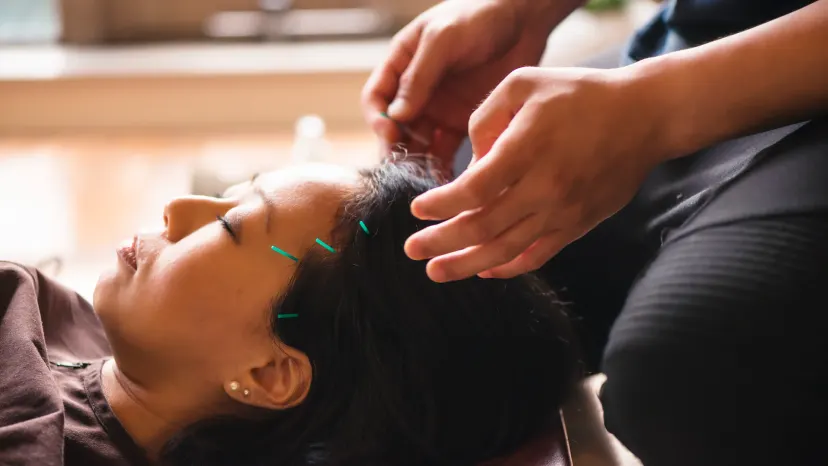
Acupuncture: This Traditional Chinese Medicine (TCM) approach involves inserting thin, sterile needles into specific points on the body to release endorphins, the body’s natural pain-relieving hormones. Multiple studies have shown that acupuncture can decrease the severity, duration, and frequency of migraine attacks, although not all studies support these findings.
It can also improve issues associated with the condition such as anxiety, insomnia, and muscle tension. A 2023 analysis of studies published in Frontiers in Neuroscience showed that acupuncture affects multiple regions of the brain involved in the processing and regulation of pain.
Biofeedback: This behavioral approach to migraine pain management uses sensors to monitor and better control ANS body functions such as breathing, blood pressure, heart rate, and temperature. When your stress level rises, these functions also tend to go up. The device alerts you when these changes occur. In turn, you can use this feedback to help relax and ease tension in your body.
Mindfulness meditation: The mind-body practice helps you focus on the present moment without judging your experience. The practice may help with episodic and chronic migraine by helping:
- Change how you perceive and experience pain
- Improve how you cope emotionally and cognitively with migraine attacks
- Increase body awareness, which may lead to earlier migraine symptom treatment and less emotional and mental reaction to your symptoms
- Increase your ability to control ANS functions such as breathing rate, heart rate, and blood pressure
- Improve your ability to cope with stress
Yoga: This mind-body technique may help reduce migraine headache symptoms and ease some of the triggers and risk factors associated with the condition such as anxiety, depression, and stress.
Herbal and dietary supplements for migraines
Your HCP might also recommend various herbal and dietary supplements to help alleviate or prevent migraine symptoms. Although some studies have found that certain vitamins and minerals (such as coenzyme Q10, magnesium, riboflavin, and feverfew) may reduce the frequency of migraine attacks, more research is needed to determine conclusively whether dietary and herbal supplements can help prevent migraines.
It’s best to talk with your HCP before adding any supplements to your care plan to be sure you take the correct dose and frequency for your symptoms and to make sure they don’t interact with other medicines you already take. Below are some of the supplements your HCP may discuss with you.
- Riboflavin (vitamin B2) may help prevent migraines by helping the body maintain its energy stores.
- Magnesium is a mineral that helps regulate neuron stimulation and vascular tone (the degree of constriction inside blood vessels).
- Feverfew plant extract may help ease and prevent migraine pain by relaxing smooth muscle within blood vessels, easing inflammation, and inhibiting the release of serotonin from platelets (tiny components of the blood that help with clotting).
- Coenzyme Q10 antioxidant may reduce inflammation and CGRP.
- Curcumin (the main ingredient in the spice turmeric) may reduce inflammation caused by the enzyme cyclooxygenase and immune system proteins interleukin-1 (IL-1) and IL-6.
Can migraines cause complications?
Migraines can lead to serious complications, including:
Status migrainosus
This is a rare and intense migraine attack with a headache phase that lasts longer than 72 hours. It may also be referred to as an intractable migraine since symptoms are unrelenting and are often severe enough to require hospitalization or treatment with intravenous (IV) medication.
Persistent aura without infarction
The IHS defines this complication as a migraine aura that lasts for a week or longer without evidence of a cerebral infarction (damage or death of brain tissue death due to a stroke) on an imaging scan such as a CT or MRI of the brain. In some cases, the aura can last for months or years.
Migrainous infarction (stroke)
This is an ischemic stroke that occurs during a migraine attack with aura symptoms that last for an hour or longer. An ischemic stroke occurs when blood supply to the brain is blocked, usually due to a blood clot.
People who experience migraine with aura have a higher risk of stroke, although research to date hasn’t found conclusive evidence to show that migraines cause stroke. The link between migraines and ischemic stroke seems to be stronger in people AFAB younger than 45, especially those who smoke or use oral contraceptives. Older adults with migraines don’t seem to have a higher risk for stroke, with the exception of those who smoke or started having migraines later in life.
Migraine aura-triggered seizure
This is an epileptic seizure triggered by a migraine with aura. The seizure occurs during a migraine attack or within an hour after the migraine has subsided.
When should I get medical care?
Call 911 or get immediate medical care at the closest hospital emergency department if you:
- Suspect you’re experiencing a thunderclap headache, or one that comes on suddenly and quickly and feels like the “worst headache of your life”
- Experience neurologic symptoms such as seizures, numbness, tingling, paralysis, or problems thinking, speaking, or keeping your balance when you walk or move
- Get a headache after sustaining a head injury
Contact your HCP or schedule a follow-up appointment if your:
- Migraine symptoms increase in frequency, duration, or the severity or their pattern changes
- Migraine treatments are no longer alleviating your symptoms sufficiently or they’re causing new, unusual, or undesired side effects
How to live better with migraine headaches

Living with migraines can significantly impact many areas of your life. Migraine symptoms can affect your family life, as well as your work, school, and social activities. You may also have to deal with the shame, judgment, embarrassment, or stigma associated with migraine attacks.
Developing and sticking with healthy habits and establishing a strong medical and social support team can help you counter the negative impact of migraines and possibly decrease the frequency and severity of migraine attacks.
Can migraines be prevented?
Although migraines can’t be cured and there’s no way to guarantee they’ll never happen again, you can take steps to help lower the risk for them. The SEEDS mnemonic includes five lifestyle changes you can adopt to help you better manage your migraine symptoms:
- S = sleep
- E = exercise
- E = eat
- D = diary
- S = stress
Sleep
Sleep disturbances are a common migraine trigger, but getting a healthy amount of restorative sleep can help relieve migraine symptoms. To help you get a better night’s rest, aim to keep a consistent schedule. That is, try to go to sleep and wake up around the same time every day, even on weekends and days off.
Preparing your brain for sleep may also help. This involves turning off electronic devices—including your phone, TV, laptop, and other devices with light-emitting screens—at least two hours before bedtime.
Follow a relaxing bedtime routine. Take a relaxing bath, stretch or practice gentle yoga, read a book, or listen to soothing music. Also, set yourself up to sleep in a cool, dark room with a comfortable, cozy bed.
Exercise
Although people are often advised not to work out during a migraine attack, getting moderate exercise on a regular basis can help reduce the frequency, severity, and duration of migraine symptoms. Aim to get at least 30 to 50 minutes of moderate-intensity aerobic exercise such as walking briskly, cycling, or swimming laps three to five days a week.
Be sure to warm up and cool down before and after your workout and be sure you eat properly to fuel your activities. Hydrate well before, during, and after working out and adjust the duration, intensity, and frequency of your activities based on your symptoms, fitness level, and experience with the activity.
Eat
Eat wholesome meals at regular intervals throughout the day, stay well hydrated, and avoid fasting. Fasting may lower the threshold for migraine attacks. You may want to eat five to six small meals daily to keep your blood sugar levels stable.
There’s no one-size-fits-all approach to eating for people with migraines, but it’s generally best to limit or avoid processed foods and those high in saturated fats. Focus on whole foods that are high in protein, fiber, and healthy fats instead. Doing so may help prevent dips in blood sugar, which can trigger a migraine attack.
If you don’t know whether or which foods trigger your migraines, try keeping a food diary. You may also want to consult with your HCP to safely figure out any potential food sensitivities or allergies you may have, and to come up with an eating plan that best meets your health needs.
Diary
Keep a diary to help you figure out your migraine triggers. Note:
- When migraine symptoms started
- What you were doing right before they began
- How long they lasted
- What, if anything, relieved them
Although avoiding your triggers has been standard advice, exposing yourself slowly and gradually to them might benefit your health in the long run. Doing so may help you become desensitized to triggers, which lowers the risk of migraine attacks. If this is something you’d like to do, work with your HCP to come up with a plan that can help you do so safely.
Stress
You may not be able to avoid all sources of stress all the time, but you can take steps to manage your response to them. In addition to stress-management techniques like meditation and biofeedback, aim to:
Strive for balance: Don’t overburden yourself with more tasks and activities. Find a way to cut down on unnecessary tasks and activities instead. Learn to accept and embrace simplicity.
Be smart with your time: Keep track of your to-do list, paring down or delegating what you can. If needed, break large or overwhelming tasks into more manageable activity chunks.
Take your breaks: If you feel overwhelmed, stressed, or burned out, take a mental and physical break from your activity. Stretch and get active for a bit. This may help you feel more energized and less stressed or distracted when you return to your activity.
Reframe your thoughts: Rather than anticipating bad outcomes, try to keep a positive and hopeful perspective. For instance, believe that you’re capable of controlling and overcoming your migraines. By thinking in this manner, you’ll be more likely to get rid of the thoughts that keep you stuck.
Take time to play: Engage in the activities that bring you joy and help you feel refreshed and invigorated. Make it a priority to do so. Have lunch with a friend, build sandcastles on the beach, or go dancing with your partner. Whatever healthy, fulfilling activity you love to do, do it and love and appreciate every moment you get to do it.
Relax and unwind: Deep breathing can ease stress and soothe pain. Inhale deeply and exhale slowly. Try to do so for at least 10 minutes a day or when you feel physical or mental tension rising. When you’re done, close your eyes and sit quietly for a few minutes.
Seek support: Reach out to trusted friends, family members, or a spiritual advisor when you’re feeling stressed or anxious. Consider joining a support group for people living with migraines or get professional help from a licensed mental health provider.
Featured migraine health articles

Al Khalili Y, Asuncion RMD, Chopra P. Migraine Headache in Childhood. StatPearls [Internet]. Last updated March 4, 2023.
Al Khalili Y, Jain S, King KC. Retinal Migraine Headache. StatPearls [Internet]. Last updated July 21, 2022.
American Academy of Family Physicians. Migraines. familydoctor.org. Last updated December 7, 2022.
American Academy of Pediatrics. Migraine Headaches in Children & Teens: Parent FAQs Last updated February 10, 2020.
American Migraine Foundation. 5 Common Alternative Treatments for Migraine. Published November 23, 2022.
American Migraine Foundation. Exercise and Migraine. Published June 30, 2020.
American Migraine Foundation. Migraine in Children. Published April 8, 2021.
American Migraine Foundation. Migraine Signs & Symptoms. Accessed April 26, 2023.
American Migraine Foundation. Migraine Without Aura. Published July 25, 2019.
American Migraine Foundation. Neuromodulation for Migraine Treatment: An Overview. Published April 2, 2020.
American Migraine Foundation. Retinal Migraine: Symptoms, Causes and Treatment. Last updated May 12, 2022.
American Migraine Foundation. The Facts About Migraine. Published March 28, 2019.
American Migraine Foundation. Understanding Migraine With Aura. Published March 1, 2023.
American Migraine Foundation. What Is Chronic Migraine? Published June 29, 2021.
American Migraine Foundation. What Is Migraine? Published January 21, 2021.
American Migraine Foundation. What Is Status Migrainosus? Last updated March 31, 2022.
Amiri P, Kazeminasab S, Nejadghaderi SA, et al. Migraine: A review on its history, global epidemiology, risk factors, and comorbidities. Front Neurol. 2022;12:800605.
Asif N, Patel A, Vedantam D, Poman DS, Motwani L. Migraine with comorbid depression: Pathogenesis, clinical implications, and treatment. Cureus. 2022;14(6):e25998.
Barral E, Martins Silva E, García-Azorín D, Viana M, Puledda F. Differential diagnosis of visual phenomena associated with migraine: Spotlight on aura and visual snow syndrome. Diagnostics (Basel). 2023;13(2):252.
Bell KR, Hoffman J, Watanabe T. Headaches After Traumatic Brain Injury. University of Washington Model Systems Knowledge Translation Center. Accessed May 3, 2023.
Biscetti L, Cresta E, Cupini LM, Calabresi P, Sarchielli P. The putative role of neuroinflammation in the complex pathophysiology of migraine: From bench to bedside. Neurobiol Dis. 2023;180:106072.
Blumenfeld AM, Kaur G, Mahajan A, et al. Effectiveness and safety of chronic migraine preventive treatments: A systematic literature review. Pain Ther. 2023;12(1):251-274.
Cedars-Sinai. Migraine Headaches. Accessed April 28, 2023.
Centers for Disease Control and Prevention. Get the Facts About TBI. Last reviewed April 20, 2023.
Centers for Disease Control and Prevention. What Is Epigenetics? Last reviewed August 15, 2022.
Cleveland Clinic. Menstrual Migraines (Hormone Headaches). Last updated March 3, 2021.
Cleveland Clinic. Migraine Headaches. Last updated March 3, 2021.
Cleveland Clinic. Vertigo. Last updated September 9, 2021.
Do TP, Hougaard A, Dussor G, Brennan KC, Amin FM. Migraine attacks are of peripheral origin: The debate goes on. J Headache Pain. 2023;24(1):3.
Gawde P, Shah H, Patel H, et al. Revisiting migraine: The evolving pathophysiology and the expanding management armamentarium. Cureus. 2023;15(2):e34553.
Gupta J, Gaurkar SS. Migraine: An underestimated neurological condition affecting billions. Cureus. 2022;14(8):e28347.
Haghdoost F, Togha M. Migraine management: Non-pharmacological points for patients and health care professionals. Open Med (Wars). 2022;17(1):1869-1882.
Hosseinpour M, Maleki F, Khoramdad M, et al. A systematic literature review of observational studies of the bilateral association between diabetes and migraine. Diabetes Metab Syndr. 2021;15(3):673-678.
International Headache Society. Migraine. IHS Classification ICHD-3. Accessed April 26, 2023.
Ishii R, Schwedt TJ, Trivedi M, et al. Mild traumatic brain injury affects the features of migraine. J Headache Pain. 2021;22(1):80.
Kadian R, Shankar Kikkeri N, Kumar A. Basilar Migraine. StatPearls [Internet]. Last updated June 27, 2022.
Karsan N, Silva E, Goadsby PJ. Evaluating migraine with typical aura with neuroimaging. Front Hum Neurosci. 2023;17:1112790.
Kaur K, Hernandez V, Al Hajaj SW, et al. The efficacy of herbal supplements and nutraceuticals for prevention of migraine: Can they help? Cureus. 2021;13(5):e14868.
Kesserwani H. Migraine Triggers: An overview of the pharmacology, biochemistry, atmospherics, and their effects on neural networks. Cureus. 2021;13(4):e14243.
Kissoon NR. Patient Education: Migraines in Adults (Beyond the Basics). UpToDate. Last updated March 24, 2023.
Kumar A, Samanta D, Emmady PD, et al. Hemiplegic Migraine. Last updated July 14, 2022.
Kumar R, Asif S, Bali A, Dang AK, Gonzalez DA. The development and impact of anxiety with migraines: A narrative review. Cureus. 2022;14(6):e26419.
Mayo Clinic. EEG (Electroencephalogram. Last updated May 11, 2022.
Mayo Clinic. Headache. Last updated June 3, 2020.
Mayo Clinic. Migraines. Last updated July 2, 2021.
Mayo Clinic. Migraines: Simple steps to head off the pain. Last updated October 4, 2022.
Mayo Clinic. Sex Headaches. Last updated May 13, 2022.
MedlinePlus. Neurological Exams. National Library of Medicine. Last updated September 9, 2021.
Migraine Australia. Exercise Induced Migraine. Accessed May 2, 2023.
NIH MedlinePlus Magazine. 10 Common Migraine Triggers and How to Cope With Them. National Institute of Neurological Disorders and Stroke. Published September 28, 2022.
Nowaczewska M, Wiciński M, Kaźmierczak W. The ambiguous role of caffeine in migraine headache: From trigger to treatment. Nutrients. 2020;12(8):2259.
NYU Langone Health. Botox Injections for Migraine. Accessed May 5, 2023.
NYU Langone Health. Diagnosing Migraine. Accessed May 4, 2023.
NYU Langone Health. Nerve Block for Migraine. Accessed May 5, 2023.
Øie LR, Kurth T, Gulati S, Dodick DW. Migraine and risk of stroke. J Neurol Neurosurg Psychiatry. 2020;91(6):593-604.
Petrarca K. Everything You Wanted to Know About Sex and Migraine (But Were Afraid to Ask!). Association of Migraine Disorders. Published March 2, 2023.
Pelham V. Thunderclap Headache: Every Second Counts in Brain Emergencies. Cedars-Sinai. Published May 31, 2022.
Robblee J. Aura Without Headache or “Silent Migraine”: A Guide. American Migraine Foundation. Last updated September 23, 2021.
Sacco S, Harriott AM, Ayata C, et al. Microembolism and other links between migraine and stroke: Clinical and pathophysiologic update. Neurology. 2023;100(15):716-726.
Saçmacı H, Tanik N, İnan LE. Current perspectives on the impact of chronic migraine on sleep quality: A literature review. Nat Sci Sleep. 2022;14:1783-1800.
Sekhon S, Sharma R, Cascella M. Thunderclap Headache. StatPearls [Internet]. Last updated February 28, 2023.
Ściślicki P, Sztuba K, Klimkowicz-Mrowiec A, Gorzkowska A. headache associated with sexual activity-A narrative review of literature. Medicina (Kaunas). 2021;57(8):735.
Silberstein SD. Approach to the Patient With Headache. Last reviewed/revised April 2023.
Silberstein SD. Migraine. Merck Manual Professional Version. Last reviewed/revised April 2023.
Song Y, Li T, Ma C, Liu H, Liang F, Yang Y. Comparative efficacy of acupuncture-related therapy for migraine: A systematic review and network meta-analysis. Front Neurol. 2022;13:1010410.
Stubberud A, Buse DC, Kristoffersen ES, Linde M, Tronvik E. Is there a causal relationship between stress and migraine? Current evidence and implications for management. J Headache Pain. 2021;22(1):155.
The Migraine Trust. Hemiplegic Migraine: A Rare Type of Migraine Involving Temporary Weakness on One Side of the Body. Accessed April 27, 2023.
The Migraine Trust. Migraine and Stroke. Accessed June 2, 2023.
The Migraine Trust. Migraine With Aura. Accessed June 2, 2023.
The Migraine Trust. Migraine With Brainstem Aura: A Rare Type of Migraine With Aura. Accessed April 27, 2023.
National Institute of Neurological Disorders and Stroke. Migraine. Last reviewed January 20, 2023.
NYU Langone Health. Our Approach to Treating Migraine. Accessed April 25, 2022.
Pescador Ruschel MA, De Jesus O. Migraine Headache. StatPearls [Internet]. Last updated February 13, 2023.
Shankar Kikkeri N, Nagalli S. Migraine with Aura. StatPearls [Internet]. Last updated Dec 6, 2022.
Shu MJ, Li JR, Zhu YC, Shen H. Migraine and ischemic stroke: A mendelian randomization study. Neurol Ther. 2022;11(1):237-246.
Silberstein SD. Migraines. Merck Manual Consumer Version. Last reviewed April 2023.
Szok D, Csáti A, Vécsei L, Tajti J. Chronic migraine as a primary chronic pain syndrome and recommended prophylactic therapeutic options: A literature review. Life (Basel). 2023;13(3):665.
Tessler J, Horn LJ. Post-Traumatic Headache. StatPearls [Internet]. Last updated January 9, 2023.
University of Rochester Medical Center. Migraine Headaches. Accessed April 28, 2023.
Wells RE, Seng EK, Edwards RR, et al. Mindfulness in migraine: A narrative review. Expert Rev Neurother. 2020;20(3):207-225.
Zhao J, Guo LX, Li HR, et al. The effects of acupuncture therapy in migraine: An activation likelihood estimation meta-analysis. Front Neurosci. 2023;16:1097450.