Updated on August 21, 2025.
There’s good news for children who experience frequent, debilitating migraines—and for parents who have to endure seeing their kids in pain. Research shows that using cognitive behavioral therapy (CBT) for chronic migraines in children can greatly reduce the number of headaches kids have, as well as the disability they cause.
A lot of pain for little ones
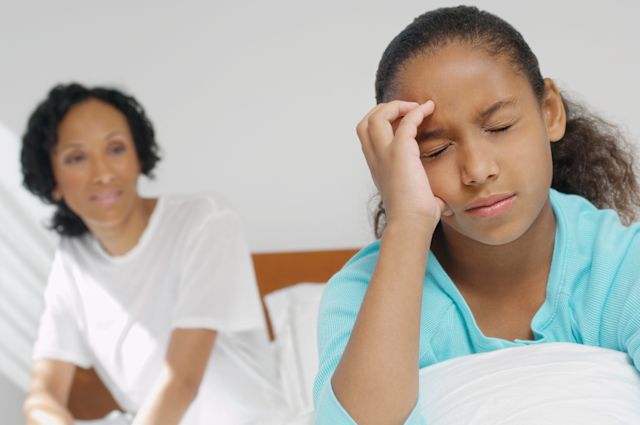
You might be surprised to learn that up to 10 percent of kids have migraines, and nearly 2 percent have them at least 15 days each month. Kids’ migraines tend to be shorter than adults’, lasting only one to two hours. But they’re no less painful, and they’re often accompanied by abdominal pain, dizziness, and vomiting.
These headaches can make it hard to simply be a kid. Aside from keeping a child out of school and from participating in after-school or weekend activities, migraines can also lead to anxiety, because the child is constantly aware that a migraine attack could happen at any time.
Migraine headaches are particularly hard to diagnose in children because the symptoms are common to other conditions. When they are diagnosed, the first-line treatment is usually ibuprofen. Healthcare providers (HCPs) may also prescribe medication designed for other purposes, such as antidepressants and anti-epileptics. Topiramate is an FDA-approved preventive migraine medication for children aged 12 to 17, although evidence of its effectiveness when used alone is limited. In 2025, the FDA approved another drug for preventing episodic migraines in children between 6 and 17 years old, called fremanezumab.
Mind over migraines
Cognitive behavioral therapy (CBT) is a type of psychological treatment. During CBT, a therapist helps a person make positive changes in the ways they think and act. They learn to identify unhelpful thought patterns, take steps to modify them, work on behaviors, and develop coping skills. CBT can be an effective treatment for many health conditions, including depression, anxiety, eating disorders, substance use issues—and migraines.
When a child with migraines receives CBT, they learn more about the headaches, how migraines affect emotions and actions, and ways to deal with the pain. CBT teaches the child how to make choices that help them manage their condition. Research suggests the approach is effective, perhaps especially when combined with medication. After CBT, kids often experience less severe pain and fewer days with migraines. Much of the evidence shows it to be an effective treatment.
Other ways to help your child ease migraine pain
Aside from medications and behavioral therapy, several other treatment approaches are available to relieve kids’ migraines.
- Avoiding triggers: The more aware your child is of their migraine triggers, such as certain foods or stress, the easier it will be for them to anticipate when they’ll get a headache. This can help them halt the pain before it becomes debilitating.
- Rest: For many children, sleep alone can greatly reduce pain from migraines.
- Mind-body practices: Stress can play a big role in migraines. Learning techniques like deep breathing and progressive muscle relaxation can help to ease anxiety. Exercise is also a well-known stress reliever.
- Alternative remedies: Speak with an HCP for advice before your child tries any new migraine treatment, as certain therapies carry significant risk for some people.
While watching your child go through a migraine can make you feel powerless, know that there are steps you can take to get relief and help put you both back in control of the condition.