Eczema
- What is eczema?
- What are the symptoms of eczema?
- What are common eczema causes and risk factors?
- What are the main types of eczema?
- What are the potential complications of eczema?
- How is eczema diagnosed?
- How is eczema treated?
- Can treatments and lifestyle changes manage eczema?
- What is the outlook for people with eczema?
- Featured eczema articles
Introduction
An estimated 10 percent of the United States population—just over 7 percent of adults and close to 11 percent of children—have some form of eczema. But what is this chronic skin condition that affects the health of upwards of 31.6 million Americans? What causes this skin disease and who’s at risk for it? And what are the best treatments for preventing and managing eczema?
What is eczema?
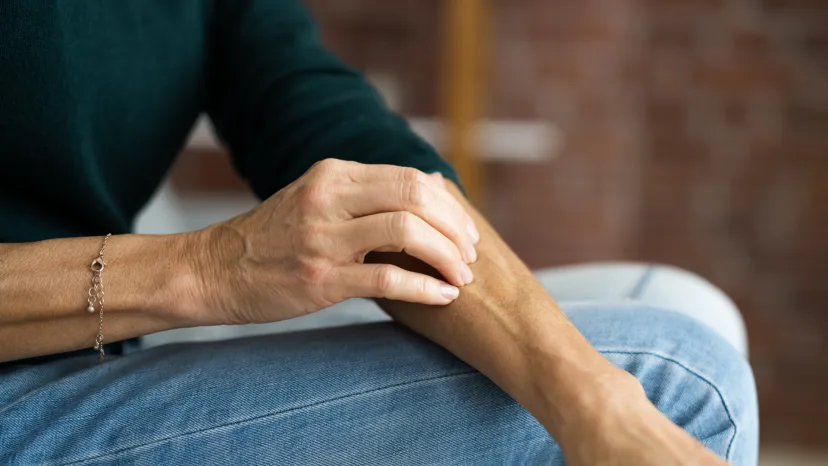
Eczema is an umbrella term that covers a group of inflammatory skin conditions, each producing dry, itchy patches of skin that look and feel inflamed.
Eczema and psoriasis are often mistaken for one another. But the trained eye of your healthcare provider (HCP) can usually spot the differences between eczema and psoriasis rather easily.
Psoriasis tends to produce thick red or discolored plaques that are covered in silvery or gray scales. Plaques are layers of new skin cells that quickly pile up on top of older skin cells that have yet to slough off. As a result, the thick borders surrounding psoriasis plaques tend to be more clearly defined than with the rashes that characterize eczema.
Eczema rashes (called skin lesions) result in thinner patches of dry, bumpy skin. But these thinner lesions can cause more intense itching than psoriasis plaques.
Eczema vs. atopic dermatitis
Your HCP may refer to eczema as dermatitis. More specifically, they may diagnose your skin condition as atopic dermatitis, also called atopic eczema.
Eczema and atopic dermatitis are often thought of as one in the same. Hence, the terms tend to be used interchangeably. But they aren’t the same thing. To be more accurate, atopic dermatitis is one of the main types of eczema grouped under the eczema umbrella.
What are the symptoms of eczema?
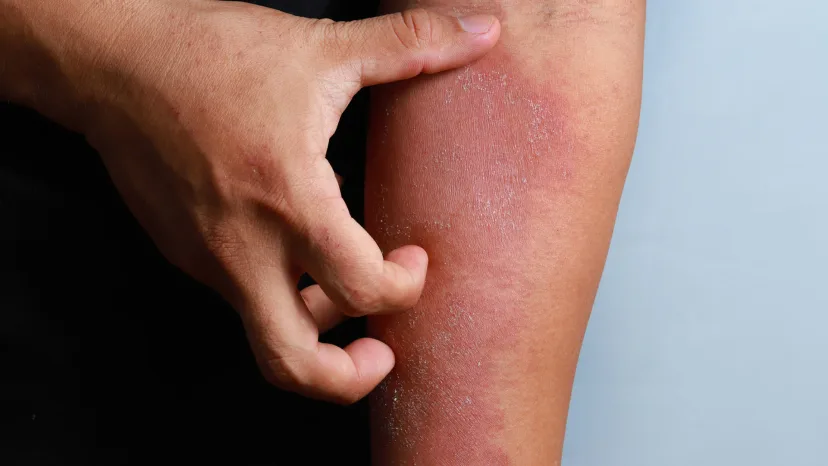
Eczema symptoms can vary and wax and wane over time, depending on your eczema type and the severity of your skin condition. But mild to intensely itchy skin is the hallmark symptom of atopic dermatitis and the other skin conditions categorized under the eczema umbrella. For many eczema patients, the itch tends to feel worse at night.
It can be very hard to resist the urge to scratch your eczema rash, but scratching releases compounds that cause inflammation and make the itch even worse. This leads to more scratching followed by more itching, perpetuating what’s called the “itch-scratch cycle.”
Your eczema rash can also bleed if you scratch too hard. Painful, pus-filled blisters may form if your skin gets infected. If these blisters break open, the pus can ooze out and shallow, open sores may then form on your skin. Lichenification (excessive thickening of the skin) can also occur if you scratch or rub your eczema rash too much.
Other common eczema symptoms include:
- Dry, scaly, or cracked skin
- Plugged hair follicles, which can cause small bumps to erupt around your face, thighs, and upper arms
- More skin creases forming on your palms
- Extra skin folds under your eyes
- Discolored skin around your eyes
Eczema rashes typically appear in specific areas of your body, but more severe breakouts can affect multiple body parts. For instance:
- Infants may have eczema rash on their cheeks, scalp, and the front of their arms and legs.
- Adults and children tend to break out around their elbow creases and the backs of their knees or necks. The wrists, forearms, face, and trunk can often be affected, too.
What are eczema flare-ups?
At times, your symptoms can get worse. These are known as eczema flare-ups or flares.
Flares are often followed by symptom-free periods that can last for weeks and even years in some cases, giving your skin time to heal. When this happens, it means your eczema has gone into remission and isn’t currently active.
Is eczema contagious?
Eczema rashes aren’t contagious. But skin that’s damaged by eczema can have cracks or open sores that allow contagious microbes such as bacteria, fungi, or viruses to enter your body.
People with eczema also have less beta-defensins in their skin. These peptides (small chains of amino acids) protect against microbes that cause harmful and contagious infections such as methicillin-resistant Staphylococcus aureus.
When should you call your healthcare provider for eczema symptoms?
Be sure to talk with your healthcare provider (HCP) if:
- Your symptoms persist, even though you’re following your eczema treatment plan
- Your symptoms are severe enough to affect your usual daily activities and sleep, or
- Your eczema rash becomes infected
Signs and symptoms of a skin infection include:
- Pus-filled blisters that form on top of your eczema rash and that may ooze fluid and become open sores
- Red or discolored streaks spreading across your skin
- Reddish or discolored bumps on your skin that feel sore or painful
- A yellowish-orange or honey-colored crust layer that covers your eczema
- Yellowish-white spots that dot your eczema lesions
Get prompt medical care if your symptoms become severe or if they persist. Doing so is especially important if you have a fever of 100.4 degrees Fahrenheit or higher that doesn’t go down when you take medicine to reduce it.
What are common eczema causes and risk factors?
The causes of eczema aren’t fully known but it’s likely that multiple factors contribute. These include allergies, environmental factors, and issues with your immune system and skin barrier function.
One of the main theories is that certain genes you inherit play a role in the development of eczema. For instance, an inherited mutation in the FLG gene (also known as filaggrin) creates an epidermis that doesn’t work properly. This outermost skin layer usually serves as a barrier that keeps microbes and allergens (substances that can cause allergic reactions) from entering your body and prevents your skin from losing too much moisture. But this gene mutation causes a weaker skin barrier in people with eczema.
With a weaker skin barrier, more substances enter through your skin while more fluids escape from it. As a result, your skin feels dryer and becomes more prone to irritation and infection.
Eczema triggers
When you have eczema, certain factors, experiences, or irritants can cause your condition to flare up. These eczema triggers include:
- Allergies
- Dry, cold weather
- Dry skin
- Insect bites and stings
- Mental and emotional stress
- Skin contact with allergens and irritants
Examples of irritants and allergens include:
- Dust mites, pollen, and pet dander
- Smoke and other air pollutants
- Certain fabrics such as wool
- Chemicals found in fragrances and household cleaning products, soaps, and skin products
- Metals such as nickel, cobalt, and chromates
- Natural liquids from various meats, seafood, fruits, and vegetables
Do certain foods trigger eczema?
Food allergies don’t usually cause eczema, although they can make your symptoms worse. The severity of your eczema flare-up depends on the type of food that triggers it and how your immune system reacts when you consume it.
It was long believed that food allergies cause certain types of eczema, such as atopic dermatitis, but growing evidence suggests the opposite. In fact, people often develop atopic dermatitis first, which then triggers food allergies, seasonal allergies, and asthma. This is known as the “atopic march,” a progression of allergic diseases that tend to begin in childhood.
Regardless of the direction of the relationship, eczema and food allergies are considered comorbid (related) health conditions—people who have one tend to have the other. A 2021 review of studies published in the Journal of Clinical Medicine notes that severe cases of atopic dermatitis coincide with more frequent diagnosis of food allergies 33 to 39 percent of the time. Some studies report rates of overlap as high as 80 percent.
What are the main types of eczema?
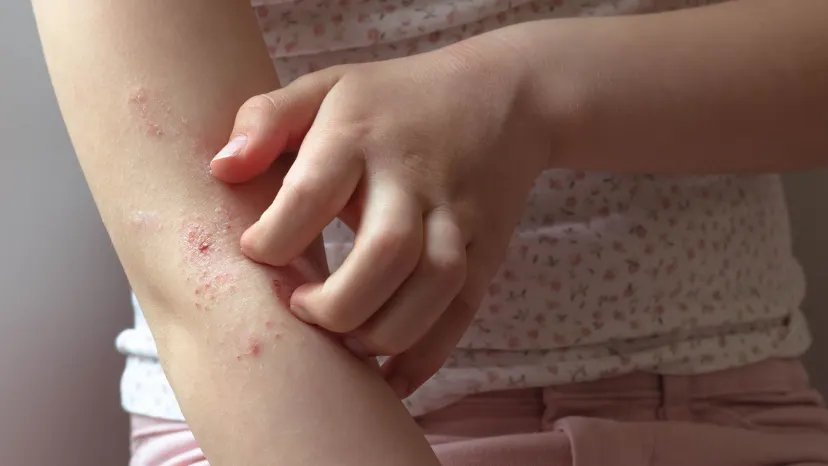
There are seven main types of eczema, some of which may have overlapping symptoms:
Atopic dermatitis
Atopic dermatitis is the most common eczema type. It produces the itchy, inflamed, crusty, weepy skin patches that people tend to associate with eczema. Anyone can get atopic dermatitis, but it most often occurs in children and usually starts during infancy.
Contact dermatitis
Contact dermatitis occurs when your skin touches a substance that irritates it, such as poison ivy, oak, or sumac or products that contain the metal nickel. The two main forms of contact dermatitis are irritant contact dermatitis and allergic contact dermatitis.
You may get irritant contact dermatitis when your skin is exposed to a chemical that irritates it. It often results in a painful, burning feeling around the part of your skin that directly encounters the substance.
Allergic contact dermatitis tends to produce itchy skin followed by an eczema rash. Your skin may also blister. It occurs when your skin touches a substance to which you are allergic, triggering your immune system to produce antibodies called immunoglobulins that travel to the affected area and cause inflammation.
Dyshidrotic eczema (pompholyx)
This eczema type produces tiny, intensely itchy blisters on the fingers, palms, and soles of the feet. You may also feel a burning, painful, prickly sensation on your skin.
Common triggers include:
Neurodermatitis (lichen simplex chronicus)
This eczema type produces thickened skin due to persistent scratching or rubbing of dry, itchy, scaly skin patches. When this happens, the skin patches may:
- Grow thicker
- Look and feel tough and leathery
- Turn a brownish, gray, or reddish color
You often break out with this eczema type when you feel highly anxious, depressed, or stressed. But the itch tends to be most intense when you feel relaxed again.
Nummular eczema (discoid dermatitis)
This eczema type produces itchy, oval to round patches of inflamed skin. These patches often arise on your forearms, the back of your hands, and lower legs. They tend to appear after a skin injury, such as a cut, insect bite, or scrape, and on very dry skin. This form of eczema occurs more often in people with atopic, contact, or stasis dermatitis (below).
The patches may look like misshapen coins, hence the name. (“Nummular” is the Latin word for coin). Given their size and shape, the skin patches may be mistaken for psoriasis or the fungal infection ringworm. Patches of nummular eczema can merge to form larger, slightly raised patches.
Seborrheic dermatitis
This eczema type causes itchy, flaky, scaly, irritated skin or dandruff in parts of your body with a lot of sebaceous glands. These glands produce a type of body oil called sebum and can be found in the armpits, back, chest, face, groin, and scalp. It appears as a dark rash in brown and Black skin and a lighter rash in white skin. Infants may have a form known as cradle cap, with scaly, greasy patches on the scalp.
Common triggers include:
- Exposure to cold, dry climates
- Certain medicines, such as those that suppress your body’s immune response or lithium to treat bipolar disorder
- Mental and emotional stress
- Sleep deprivation
Stasis dermatitis (gravitational, venous, or varicose eczema)
Stasis dermatitis tends to occur when you have a health condition called venous insufficiency, which involves poor blood flow from the veins in your legs back to your heart.
Early signs and symptoms include:
- Aching in one or both legs when you stand or walk
- Discolored, irritated, and sore skin
- Swelling in the ankles and legs that tends to improve when you lie down and sleep but comes back when you get out of bed
As the condition worsens, your skin may:
- Become deeply pigmented and discolored around your lower legs and tops of your feet
- Feel scaly, intensely itchy, and hardened
- Develop open wounds and sores
You may also notice the lower half of your calf shrinking. This can make your calf look like an upside-down bowling pin.
What are the potential complications of eczema?
Irritated and inflamed skin due to eczema increases your risk for blisters, open sores, and serious infections. These include a higher risk of:
- Staphylococcus aureus bacterial infections, which can lead to other serious skin infections such as impetigo and cellulitis
- Eczema herpeticum, a life-threatening viral infection that can spawn other life-threatening infections such as encephalitis, meningitis, and sepsis
- Eczema cosackium, another serious viral infection that in rare cases can progress to aseptic (viral) meningitis
How is eczema diagnosed?
Your HCP can often diagnose or rule out eczema after talking with you about your symptoms and medical history and examining your skin. If needed, they can confirm the diagnosis by performing tests, which may include:
- Skin allergy patch test: Your HCP will attach a few patches to your back that contain small amounts of allergens. After a few days, they’ll remove the patches and examine your skin to see if any of the allergens irritated your skin.
- Skin biopsy: Your HCP will remove a small sample of affected skin tissue for lab testing.
How is eczema treated?
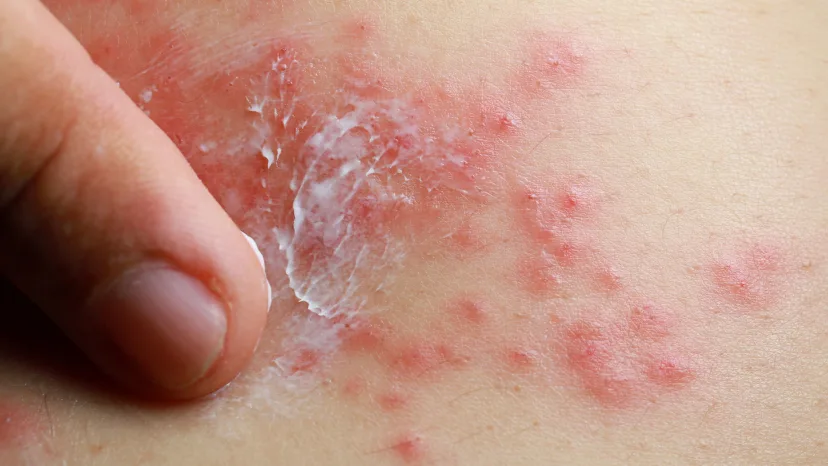
Though eczema is not curable, it is treatable. The key is to work with your HCP to tailor a treatment plan that’s safe and effective for you. Factors you’ll consider include your:
- Eczema type
- Symptoms and their severity
- Treatment preferences
Medications
Your eczema treatment plan may include one or more of the following medications:
- Antibiotics or antifungals to treat infected skin lesions
- Antihistamines to ease itching caused by allergens
- Biologics (such as monoclonal antibodies) to slow or stop inflammation
- Corticosteroids to prevent and ease skin inflammation
- Immunosuppressants (such as JAK inhibitors or topical calcineurin inhibitors) to dampen your body’s overactive immune response, thereby decreasing inflammation and other eczema symptoms
- Immunotherapies (such as allergy shots or drops) to desensitize your body to allergens that trigger eczema symptoms
Therapies for eczema
Other eczema treatments your HCP may prescribe include:
- Phototherapy: This involves the use of devices equipped with light-emitting diodes to deliver controlled bursts of ultraviolet (UV) light to the affected skin. This helps ease itching and inflammation, fade blemishes, and improve the appearance of your skin.
- Wet-wrap therapy: This involves wrapping wet gauze around your skin after applying topical medicines and moisturizers. The procedure helps ease itching, hydrates and soothes dry, inflamed skin, loosens crusty scales, and helps prevent scratch injuries.
Alternative treatments for eczema
Certain complementary and alternative medicine (CAM) approaches have been shown to help with some symptoms. Examples include treatments applied topically to your skin:
- Coconut oil (virgin or cold-pressed) to moisturize, calm inflammation, and reduce the amount of harmful bacteria on your skin (thereby lowering the chances of your eczema getting infected)
- Colloidal oatmeal to reduce skin thickness, dryness, and itching
- Curcumin formulations to ease discoloration, swelling, itching, and lichenification
- Honey to reduce the severity of symptoms such as discoloration, swelling, and irritation from scratching
- Sunflower seed oil to quell inflammation and bolster your skin’s barrier function, helping your skin retain moisture
Bathing can also be an important part of managing your eczema. The key is to moisturize your skin within three minutes after getting out of the tub or shower.
-
Some experts recommend bathing with a small amount of diluted bleach, approximately ¼ to ½ cup per 40 gallons of water, about the size of a standard bathtub. This may help ease inflammation and reduce bacteria on the skin. Just be sure to check with an HCP to make sure this method would be right for you, particularly if you are sensitive to bleach or have allergic asthma.
Can treatments and lifestyle changes manage eczema?
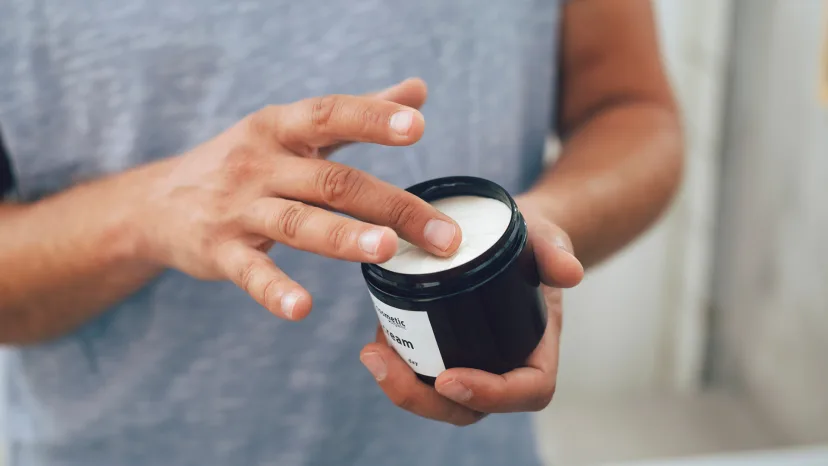
There is no surefire way to prevent eczema. But you can lower the risk of symptoms and flare-ups by following a consistent skin care routine and your treatment plan. Your approach might include the following:
- Use topical emollient moisturizers to keep your skin moist and prevent dryness. Apply a fragrance-free ointment or thick cream right after you bathe or shower to seal in moisture.
- Shower or bathe with warm (instead of hot) water for no more than 10 to 15 minutes. Lukewarm water helps hydrate your skin, which can ease itching.
- Use a humidifier when indoor air feels dry.
- Drink plenty of water, particularly when exercising, to help keep your skin hydrated.
- Avoid your known triggers. This includes staying away from allergens and irritating substances such as tobacco smoke and products with harsh ingredients.
- Use scent- and dye-free household, hygiene, and makeup products.
- Wear loose clothing made with cotton and other natural fibers. Don’t wear clothing made with wool or synthetic fibers. Also, wash new clothes in a gentle detergent free of dyes and fragrances before wearing them.
- Find healthy ways to manage your stress. Meditation, listening to uplifting music, spending time outdoors, and other relaxation methods might help.
How can eczema affect your mental health?
Managing a chronic condition can take a toll on your mental health, particularly one like eczema that comes with irritating physical symptoms. You may also feel a sense of shame or stigma as a result of the rashes on your skin.
Research has shown an increased risk of anxiety and depression among eczema patients. If you feel that your condition is causing you to feel anxious or depressed, talk to your HCP. They may recommend you speak with a counselor or licensed mental health provider to help ease some of the psychological effects. Participating in a support group of eczema patients can also help you learn coping strategies and feel less isolated.
What is the outlook for people with eczema?
The outlook can vary, depending on your eczema type, how severe your symptoms are, and how well your eczema treatments are working. In most cases, people tend to experience less severe eczema symptoms and flare-ups during their adult years. Around 70 to 90 percent of people who were first diagnosed with the skin condition as children notice their symptoms subside considerably once they’re adults.
How long does eczema last?
This depends on your eczema type and the severity of your symptoms. Some eczema types such as atopic dermatitis are chronic and may come and go throughout your life. Others such as contact dermatitis tend to go away if you treat your condition properly and avoid interaction with specific irritants.
Is there a cure for eczema?
No current treatment can cure eczema. But good skin care, avoiding triggers, following your treatment plan, and working with your HCP to make changes to it as needed can help calm symptoms and prevent flare-ups for the near term and over the long haul.
Featured eczema articles

American Academy of Dermatology Association. Eczema Types and Treatment. Accessed March 1, 2023.
American Academy of Dermatology Association. Is That Eczema or an Infection on My Child's Skin? Accessed March 1, 2023.
American Academy of Dermatology Association. What Causes Eczema?
American Academy of Dermatology Association. What Exactly Is Eczema? Accessed February 28, 2023.
American Academy of Family Physicians. Eczema and Atopic Dermatitis. Familydoctor.org. Last updated January 2023.
Centers for Disease Control and Prevention. More Than a Quarter of U.S. Adults and Children Have at Least One Allergy. Published January 26, 2023.
Frazier W, Bhardwaj N. Atopic Dermatitis: Diagnosis and Treatment. Am Fam Physician. 2020;101(10):590-598.
Hawryluk E. Topicals, Oral Medicines, and Phototherapy: An Overview of Eczema Treatments. National Eczema Association. Updated July 15, 2021.
Howe W. Patient education: Eczema (Atopic Dermatitis) (Beyond the Basics). UpToDate. Last update December 13, 2022.
Jones VA, Patel PM, Wilson C, Wang H, Ashack KA. Complementary and alternative medicine treatments for common skin diseases: A systematic review and meta-analysis. JAAD Int. 2020;2:76-93. doi:10.1016/j.jdin.2020.11.001
Kolb L, Ferrer-Bruker SJ. Atopic Dermatitis. StatPearls [Internet]. Updated August 8, 2022.
National Eczema Association. Eczema Stats. Accessed February 28, 2023.
Mehta Y, Fulmali DG. Relationship between atopic dermatitis and food allergy in children. Cureus. 2022;14(12):e33160. doi:10.7759/cureus.33160
National Eczema Association. Everything You Need to Know About Eczema and Food Allergies. Last updated July 15, 2021.
National Eczema Association. Alternative Treatments for Eczema. Accessed March 3, 2023.
National Eczema Association. Eczema and Bathing. Accessed March 3, 2023.
National Eczema Association. What Is Eczema? Accessed February 28, 2023.
National Eczema Society. Skin Infections and Eczema. Accessed March 1, 2023.
National Institute of Allergy and Infectious Diseases. Eczema.
National Psoriasis Foundation. Psoriasis or Eczema? Published October 20, 2021.
Nemeth V, Evans J. Eczema. StatPearls [Internet]. Updated August 8, 2022.
Papapostolou N, Xepapadaki P, Gregoriou S, Makris M. Atopic dermatitis and food allergy: A complex interplay what we know and what we would like to learn. J Clin Med. 2022;11(14):4232. doi:10.3390/jcm11144232
Penn Medicine. Eczema Vs. Psoriasis: Similarities, Differences and Treatments. Published March 24, 2022.
Tucker D, Masood S. Seborrheic Dermatitis. StatPearls [Internet]. Updated August 1, 2022. Accessed March 3, 2023.