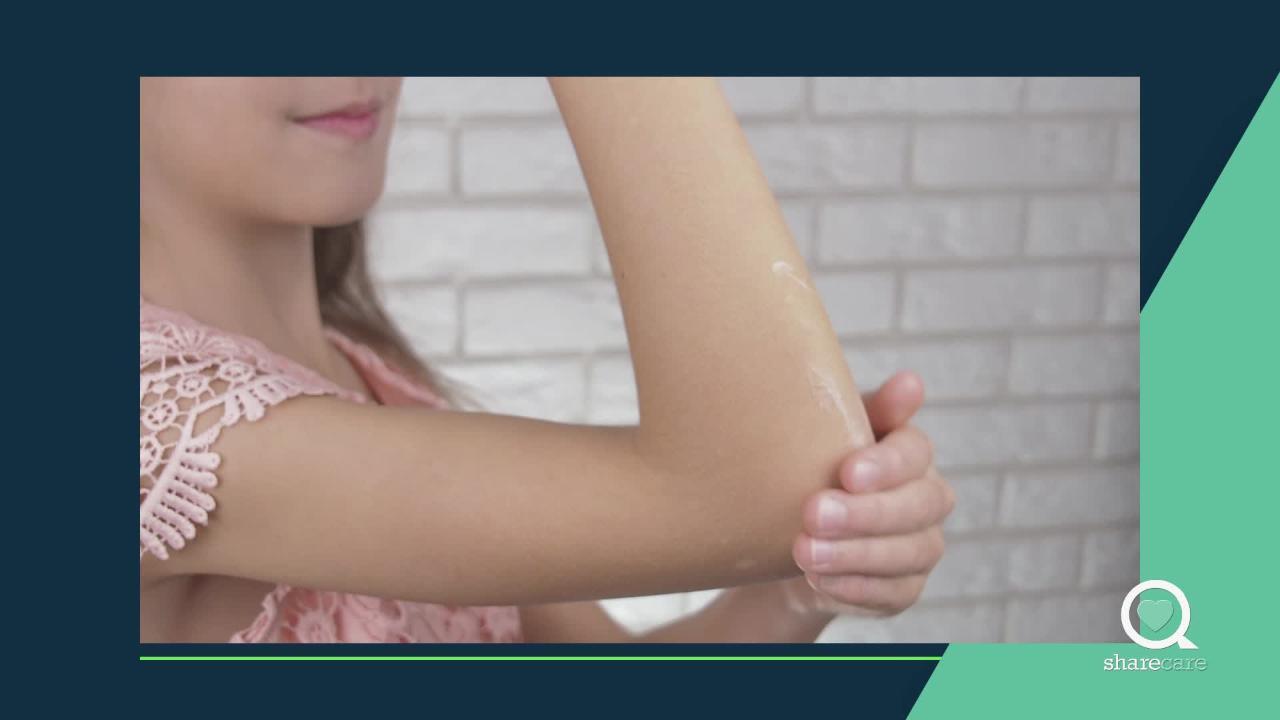
Regularly applying moisturizer is an important part of managing and treating atopic dermatitis (eczema). Moisturizers can help the skin retain water and stay hydrated, help the skin heal, help prevent the skin from becoming dry and help reduce itching.
Finding the right moisturizer is a lot like finding the right treatment for atopic dermatitis—it is a little bit different for everyone. What works for one person may not work for another, and it is common to try a number of products before finding one that works. Luckily, there are many different moisturizing products available.
Here, we offer some guidelines that may help you when shopping for a moisturizer, and a look at the differences between several types of moisturizers.
Guidelines and ingredients
When shopping for a moisturizer, or any personal care product, check the ingredients list on the packaging. You want to avoid anything that contains fragrances, preservatives or any other type of chemical, since these ingredients may irritate the skin and aggravate symptoms. Some products will even burn or sting when applied, and you may want to test a product on a small patch of skin before applying it to a larger area.
One thing you may want to look for when shopping is The National Eczema Association Seal of Acceptance™. The NEA Seal of Acceptance is not an endorsement of any particular product, but products that display the seal do not contain ingredients that are known to irritate sensitive skin or aggravate eczema symptoms. The seal is found on moisturizers, as well as clothing, shampoos and conditioners, soaps, household cleaners and many other products.
Ointments, creams and lotions for eczema
Moisturizers contain two main ingredients—oil and water. The general recommendation for managing atopic dermatitis is to use a product that contains more oil than water. Ointments have the highest oil content. While great for sealing in moisture, ointments can feel greasy, which means they are not ideal for every person, or not ideal for every situation. If you do not like the greasy feel of ointments, a moisturizing cream may be a better option. Creams contain less oil than ointments, but work well for locking moisture into the skin.
Lotions are mostly made up of water and contain little oil, which means they will evaporate from the skin more quickly than creams or ointments. However, it’s important to remember that different products work for different people. There are a number of lotions that have the NEA Seal of Acceptance, which may be something to look for when shopping for the best eczema lotion for you.
Sunflower seed oil and coconut oil
Some people also opt to moisturize using natural oils like sunflower oil and coconut oil, and both may be valid options. Their oil content is great (since they are made of pure oil). Plus, they contain no additive ingredients and they function as natural antimicrobials that can help keep the skin free of bacteria and other microbes. Like ointments, coconut oil and sunflower seed oil will leave a greasy feeling on the skin. It’s recommended to choose “virgin” or “extra virgin” varieties, which do not use chemicals or solvents in the refining process. However, not every natural oil is good for your skin. You should avoid essential oils such as tea tree oil, rose oil, peppermint oil and others. These may aggravate symptoms.
Remember, everyone’s skin is different, and responds differently to skincare products. The right moisturizer to use is the one that works for you.
Medically reviewed in February 2021.