
Advertisement
question

Do black women tend to have dry skin more than women of other races?

Dr. Michael Roizen, MD
Internal Medicine
answer
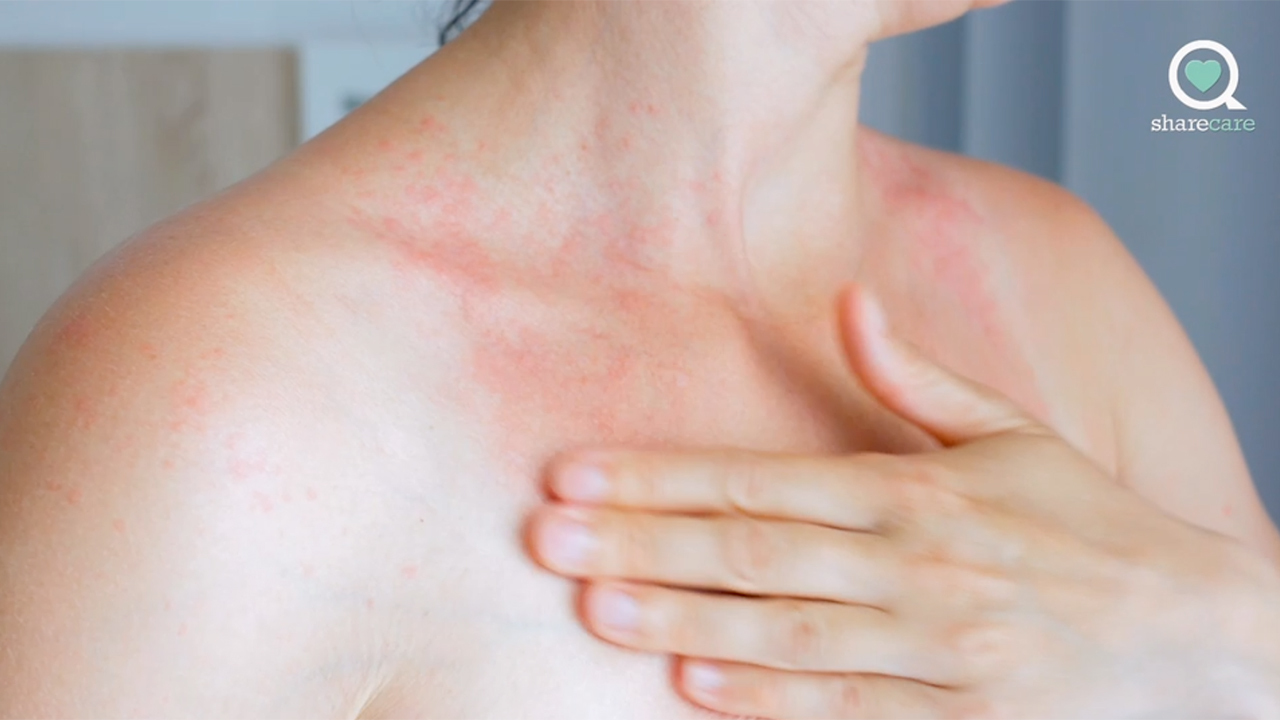
Skin dryness depends on as many factors as there are ice cream flavors. Some of the biggies include how much fat and water sit on the surface of the skin, how blood vessels react, the skin’s acidity, and the amount of normal bacteria that hang out on the skin’s surface. Some of these factors can vary depending on what race you are. For example, rates of water loss (called transepidermal water loss, TEWL) have been documented to be higher in black skin compared to Caucasian skin, which may put African-American women at higher risk for dry skin.

Continue Learning about Skin Disorders

Hidradenitis suppurativa: what are biologic therapies?
Hidradenitis suppurativa (HS) is categorized as a chronic skin condition. It causes painful breakouts in areas where skin rubs together, like the armp...
Read More
Is chronic spontaneous urticaria an autoimmune disease?
Chronic spontaneous urticaria (CSU)—formerly known as chronic idiopathic urticaria (CIU)—is a condition characterized by hives and/or angioedema. Hive...
Read More
5 treatment options for chronic HIVes
Treating chronic hives can be challenging, and different treatments work for different people. Learn about five different treatment options that you m...
Read More
Prurigo nodularis: symptoms, causes, treatment
Prurigo nodularis is a skin disorder characterized by a skin rash consisting of hard, itchy lesions on the skin. These lesions often appear on the arm...
Read More

Important: This content reflects information from various individuals and organizations and may offer alternative or opposing points of view. It should not be used for medical advice, diagnosis or treatment. As always, you should consult with your healthcare provider about your specific health needs.