

Advertisement
question

How does skin cancer affect the body?

Donna Hill Howes, RN
Family Practitioner
answer
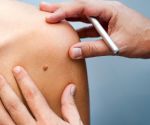
Skin cancer begins in the cells that make up the epidermis -- the top layer of skin. When the DNA that controls the cells' growth is damaged, it causes an overgrowth and buildup of skin cells. Eventually, this skin cell buildup forms a tumor, which results in the symptoms you see, such as irregular spots, red bumps, or scaly patches on your skin. Skin cancer most commonly affects areas of skin that are exposed to the sun but may develop almost anywhere on the body, including underneath fingernails and in the genital area. If left untreated, skin cancer can grow deep into the skin and spread through the rest of the body, causing serious complications.

Continue Learning about Skin Cancers

4 resources for patients with advanced basal cell carcinoma
Basal cell carcinoma (BCC) is the most common form of skin cancer. Most people who are diagnosed with BCC are diagnosed in the early stages, but a per...
Read More
Becoming your own advocate while treating cSCC
Try these strategies for taking a more active role in your care and treatment for cutaneous squamous cell carcinoma.
Read More
Effective treatments options for skin cancer
Effective treatments options for skin cancerEffective treatments options for skin cancerEffective treatments options for skin cancerEffective treatments options for skin cancer
Learn about recent advancements and newer therapies that are safe and making a difference. If you or a loved one has been diagnosed with skin cancer,...
Start Slideshow
9 sunscreen mistakes you don't have to make
9 sunscreen mistakes you don't have to make9 sunscreen mistakes you don't have to make9 sunscreen mistakes you don't have to make9 sunscreen mistakes you don't have to make
You already know that it’s important to wear sunscreen—one Australian study even found that daily sunscreen use could reduce the risk of melanoma by ...
Start Slideshow

Important: This content reflects information from various individuals and organizations and may offer alternative or opposing points of view. It should not be used for medical advice, diagnosis or treatment. As always, you should consult with your healthcare provider about your specific health needs.