Updated on August 28, 2025.
Each year, more than 260,000 women and 2,500 men in the United States are diagnosed with breast cancer, according to the Centers for Disease Control and Prevention (CDC). Although you can’t change all breast cancer risk factors, such as inheriting a gene mutation or having close blood relatives who’ve had breast cancer, you can still take action to help reduce your risk. One key action is to get physically active on a regular basis.
Get active to lower your risk of breast cancer
Getting enough physical activity is a powerful way to help lower your risk of breast cancer. The American Cancer Society (ACS) recommends you get one of the following each week:
- 150 to 300 minutes of moderate-intensity physical activity
- 75 to 150 minutes of vigorous-intensity physical activity
- Equal mix of moderate and vigorous physical activity
You’ll still be able to talk without gasping for air with moderate activities. In contrast, vigorous activities make it harder to talk without pausing every few words to catch your breath.
Walking briskly at 2.5 to 4 miles per hour is an example of a moderate-intensity activity. Walking up hills or increasing your walking pace to a jog or run are examples of vigorous-intensity activity.
Why being active helps cut breast cancer risk
Physical activities, such as walking briskly, may aid in breast cancer prevention through its effects on hormones such as estrogen. Breast cancer cells have receptors composed of proteins that bind to these hormones and support their growth. Walking and other physical activities help lower your estrogen levels.
Walking also strengthens your heart, lungs, and bones. Aim to stay active in other ways if you have a disability or health condition that affects walking and other movements.
But before starting a new workout program, talk with your healthcare provider (HCP) or work with a certified medical exercise specialist. They can help you adapt certain activities to your capabilities and achieve your exercise goals safely and appropriately.
Other steps you can take to lower your risk of breast cancer include the following.
Limit your alcohol intake
When it comes to cancer prevention, avoiding alcohol is best. Even small amounts may raise your risk of breast cancer.
Most evidence supporting the link between cancer and alcohol suggests that ethanol, which is found in every single alcoholic beverage, including wine, is involved. As ethanol is broken down, a toxic byproduct called acetaldehyde is formed.
Acetaldehyde can damage cells and cause changes to your DNA, which can lead to cancer. So, what matters is how much and how often you drink, regardless of what’s in your glass.
A standard drink in the United States equals 0.6 fluid ounces or 14 grams of pure alcohol (ethanol). Examples include:
- 12 ounces of beer with 5 percent alcohol
- 5 ounces of wine with 12 percent alcohol
- 1.5 ounces of 80-proof distilled spirits (hard liquor) with 40 percent alcohol
Maintain a healthy weight
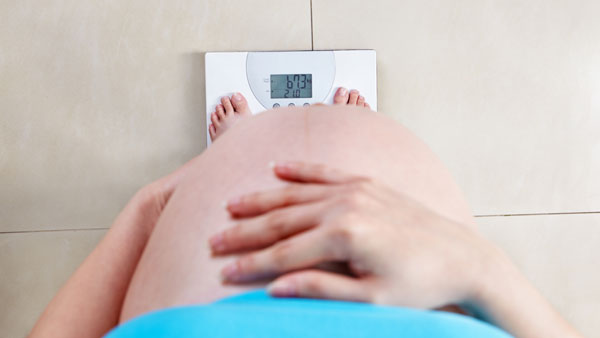
Many studies show that being overweight or obese raises breast cancer risk, especially if you’ve gone through menopause or have carried excess weight for much of your adult life.
Aim to get to and stay within a healthy weight range. If you’re unsure of what weight range to aim for or need help with losing weight, be sure to talk with your HCP. They can help you come up with a plan to help you reach your weight goals safely.
Dial in your diet
Follow a nutrient-rich eating plan that focuses on whole foods and limits red and processed meats, added sugars, highly processed foods, and refined grain products. One such plan is the Mediterranean diet, which describes the eating patterns of cultures and countries that border the Mediterranean Sea.
It’s been shown to protect against health conditions such as diabetes, heart disease, and breast and other cancers, including:
- Colorectal cancer
- Lung cancer
- Prostate cancer
- Stomach cancer
The eating plan recommends olive oil as a main source of healthy fat along with:
- Fish and seafood such as salmon
- Fruits and vegetables such as apples, avocados, berries, artichokes, broccoli, and cucumber
- Legumes or pulses such as beans, chickpeas, lentils, and peas
- Nuts such as walnuts
- Whole grains such as barley, breads, brown rice, couscous, millet, and oats
These foods are rich in nutrients such as:
- Antioxidants, which are compounds that scavenge and rid your body of free radicals that cause illness and disease
- Complex carbohydrates, especially ones high in fiber
- Monounsaturated and polyunsaturated fats, which are healthy dietary fats
- Phytochemicals, which are bioactive compounds that support good health
These nutrients may help reduce your risk of breast cancer by lowering:
- Oxidative stress, which is when your body contains more free radicals than it has antioxidants to get rid of them
- Blood glucose by upping your insulin sensitivity, or how well your body’s cells respond to insulin and metabolize glucose for energy
- Inflammation
Quit smoking
A growing body of research shows that smoking tobacco or being exposed to secondhand smoke raises the risk of breast cancer, especially in people who haven’t reached menopause.
Aim to quit smoking or never start. If you need help quitting, talk with your HCP about which quit plan might work best for you.
This may include walking, to help you quit smoking for good and shed extra pounds along the way. Also, steer clear of people while they smoke, and ask them to do so outdoors away from others.
Breastfeed (if it works for you)
Breastfeeding has been strongly linked with lower rates of breast cancer. It’s thought to accomplish this in two ways:
- Your breast cells differentiate or become cells capable of producing breast milk, which makes your breast tissue less vulnerable to the harmful effects of estrogen, such as its ability to cause cancer.
- Breast secretions help your body destroy damaged DNA cells, making gene mutations that cause cancer less likely.
Bottom line on lowering breast cancer risk
There’s no surefire way to prevent breast cancer. But there are many actions you can take to lower your risk of the disease.
These might include upping the intensity or duration of your daily workouts or changing your eating and drinking habits. Be sure to talk with your HCP about your individual risk factors and discuss which strategies would be best for your specific health needs.