


If you recently had a stent placed in a blocked artery or are about to, you may wonder for how long you will need to take your medication. The answer is firm: NEVER stop taking your medication until instructed to do so by the physician who prescribed them to you.
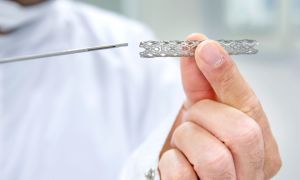
Here’s why. A stent is a metal, mesh tube that is placed in a blocked artery through the use of a thin tube called a catheter that is threaded through the artery to the site of the blockage. A balloon on the catheter opens and closes (a procedure called angioplasty) to push aside the blockage caused by a build-up of a fatty substance called plaque. Then the catheter is used to place the stent. Over time, your body will cover the stent with a layer of cells until it grows into the wall of the artery and becomes a permanent part of your body. However, at first, your body will recognize your stent as a foreign body and try to heal the “injury” site by forming a blood clot. If a blood clot forms in your stent, it could lead to a heart attack, the prevention of which was the point of getting a stent to begin with.
It is very important that you take your medications as prescribed and start doing so immediately. (Do not wait, for example, for a 90-day supply to arrive in the mail.) Be sure when you leave the hospital that you have all the medications that you need. Remember also that if you were on heart medications before the stent procedure you should continue to take them as directed by your physician. A stent corrects a blockage in one part of an artery, but it does not stop the build-up of plaque throughout the arteries or the overall progress of cardiovascular disease.
Continue Learning about Implantable Medical Devices For The Heart
Important: This content reflects information from various individuals and organizations and may offer alternative or opposing points of view. It should not be used for medical advice, diagnosis or treatment. As always, you should consult with your healthcare provider about your specific health needs.