

Advertisement
question

Why do I get cramps in my fingers when I exercise?

Jonathan Penney
Jonathan Penney on behalf of National Academy of Sports Medicine
Fitness
answer

You may get cramps in your fingers when you exercise for a couple of reasons.

First, have you been drinking plenty of fluids throughout the day? Cramping can be a cause of dehydration. Be sure to stay hydrated and drink plenty of fluids throughout the day, primarily water. Avoid sugary drinks!

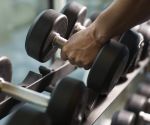
Second, if you are strength training, are you gripping the weights with full force? Often times individuals grip the weight more than needed. Of course you want to have a good grip on the weights to avoid losing your grip, but over-gripping may cause cramping.

Continue Learning about Fitness

Add variety to your fitness routine to optimize health
Investment-minded people know one of the best ways to strengthen a long-term financial portfolio is to diversify investments. Investing your money in ...
Read More
How's your heart rate recovery?
Use this calculator only if you are physically active on a regular basis. If you're just starting an exercise program, work with your doctor to find a...
Read More
8 clever tips for a healthier you
8 clever tips for a healthier you8 clever tips for a healthier you8 clever tips for a healthier you8 clever tips for a healthier you
Developing a healthier lifestyle takes work, but when you start small, seek support, and stick with it, you'll be amazed by the transformation you can...
Start Slideshow
6 ways you are sabotaging your workout
6 ways you are sabotaging your workout6 ways you are sabotaging your workout6 ways you are sabotaging your workout6 ways you are sabotaging your workout
Reap the benefits of your time at the gym by dodging these workout no-nos. Whether you’re a regular at the barre studio, set up shop in your basement...
Start Slideshow

Important: This content reflects information from various individuals and organizations and may offer alternative or opposing points of view. It should not be used for medical advice, diagnosis or treatment. As always, you should consult with your healthcare provider about your specific health needs.