
Advertisement
question

When should I call 911 at an emergency scene?

American Red Cross
American Red Cross
answer
As a general rule, call 9-1-1 or the local emergency number if the person has any of the following conditions:
 
  • Unconsciousness or an altered level of consciousness, such as drowsiness or confusion
  • Breathing problems (trouble breathing or no breathing)
  • Chest pain, discomfort or pressure lasting more than a few minutes that goes away and comes back or that radiates to the shoulder, arm, neck, jaw, stomach or back
  • Persistent abdominal pain or pressure
  • Severe external bleeding (bleeding that spurts or gushes steadily from a wound)
  • Vomiting blood or passing blood
  • Severe (critical) burns
  • Suspected poisoning
  • Seizures
  • Stroke (sudden weakness on one side of the face/facial droop, sudden weakness on one side of the body, sudden slurred speech or trouble getting words out or a sudden, severe headache)
  • Suspected or obvious injuries to the head, neck or spine
  • Painful, swollen, deformed areas (suspected broken bone) or an open fracture
  • Fire or explosion
  • Downed electrical wires
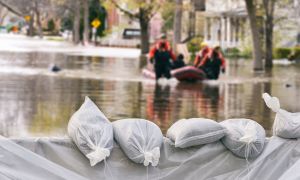
  • Swiftly moving or rapidly rising water
  • Presence of poisonous gas
  • Serious motor-vehicle collisionsInjured or ill persons who cannot be moved easily 


 
Univ. of Nev. School of Medicine, Family Medicine
answer
You should call 911 at an emergency scene as soon as you are aware or arrive at the scene. This will allow appropriate personnel trained in these situations and medical equipment to get there quickly.

Continue Learning about First Aid, Safety & Preparedness

How to deliver high-quality, hands-only CPR
More than 356,000 people experience sudden cardiac arrest (SCA) outside of hospital settings each year in the United States. Ofentimes, this happens a...
Read More
The insider’s guide to healthy Hawaii: 9 first aid kit essentials that aren’t bandages
The insider’s guide to healthy Hawaii: 9 first aid kit essentials that aren’t bandagesThe insider’s guide to healthy Hawaii: 9 first aid kit essentials that aren’t bandagesThe insider’s guide to healthy Hawaii: 9 first aid kit essentials that aren’t bandagesThe insider’s guide to healthy Hawaii: 9 first aid kit essentials that aren’t bandages
Gauze, gloves and other must-haves to patch a wound, wrap a sprain and more. When emergencies arise, having a well-stocked first aid kit, kept in an ...
Start Slideshow
Essential first aid tips everyone should know
Essential first aid tips everyone should knowEssential first aid tips everyone should knowEssential first aid tips everyone should knowEssential first aid tips everyone should know
Find out how to treat cuts, blisters, bruises and other minor injuries. Many of us have experienced a minor injury, like a scraped knee, a blister fr...
Start Slideshow
5 steps to safe tailgating this season
5 steps to safe tailgating this season5 steps to safe tailgating this season5 steps to safe tailgating this season5 steps to safe tailgating this season
Get your party on and get home safely. Football season is here! Dedicated tailgaters are hitting stadium parking lots across the country, braving the...
Start Slideshow

Important: This content reflects information from various individuals and organizations and may offer alternative or opposing points of view. It should not be used for medical advice, diagnosis or treatment. As always, you should consult with your healthcare provider about your specific health needs.