

Advertisement
question

What are the components of emotional health?

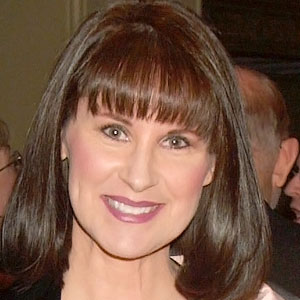
Donna Hill Howes, RN
Family Practitioner
answer

Emotional health is comprised of emotional intelligence and emotional regulation. Emotional intelligence describes your ability to identify your emotions, express them, and use your awareness of your emotions and their causes to promote personal growth. Emotional regulation deals with your ability to influence the emotions you have, when you have them, and how often. The common term "attitude" is related to emotional regulation. These two components affect your ability to adapt to your environment, interact socially with others, and participate in normal daily activities, your overall attitude toward life, and the way you cope with stress.

Continue Learning about Emotional Health

3 ways to help manage strong emotions
Emotions may simply seem like automatic responses—something occurs, and we react. But really, emotions are essential to how we understand and interact...
Read More
A pessimist's guide to feeling more optimistic
A slew of studies show that optimism can help: Control stress Boost your mood Manage pain Support healthy lifestyle choices Reduce your risk of...
Read More
How to cope with the emotional side of fibromyalgia
Living with fibromyalgia can understandably trigger a lot of negative feelings about yourself, your life and your relationships. But if you can learn ...
Read More
8 signs of emotional balance and well-being
8 signs of emotional balance and well-being8 signs of emotional balance and well-being8 signs of emotional balance and well-being8 signs of emotional balance and well-being
Try these simple skills to give your well-being a boost. Emotional well-being is something all of us want, though we may not take time to think about...
Start Slideshow

Important: This content reflects information from various individuals and organizations and may offer alternative or opposing points of view. It should not be used for medical advice, diagnosis or treatment. As always, you should consult with your healthcare provider about your specific health needs.