Dx Dialogues: Testing for nasal polyps
Purvi Parikh, MD, explains the common methods for testing for nasal polyps, in her practice and beyond.
Transcript
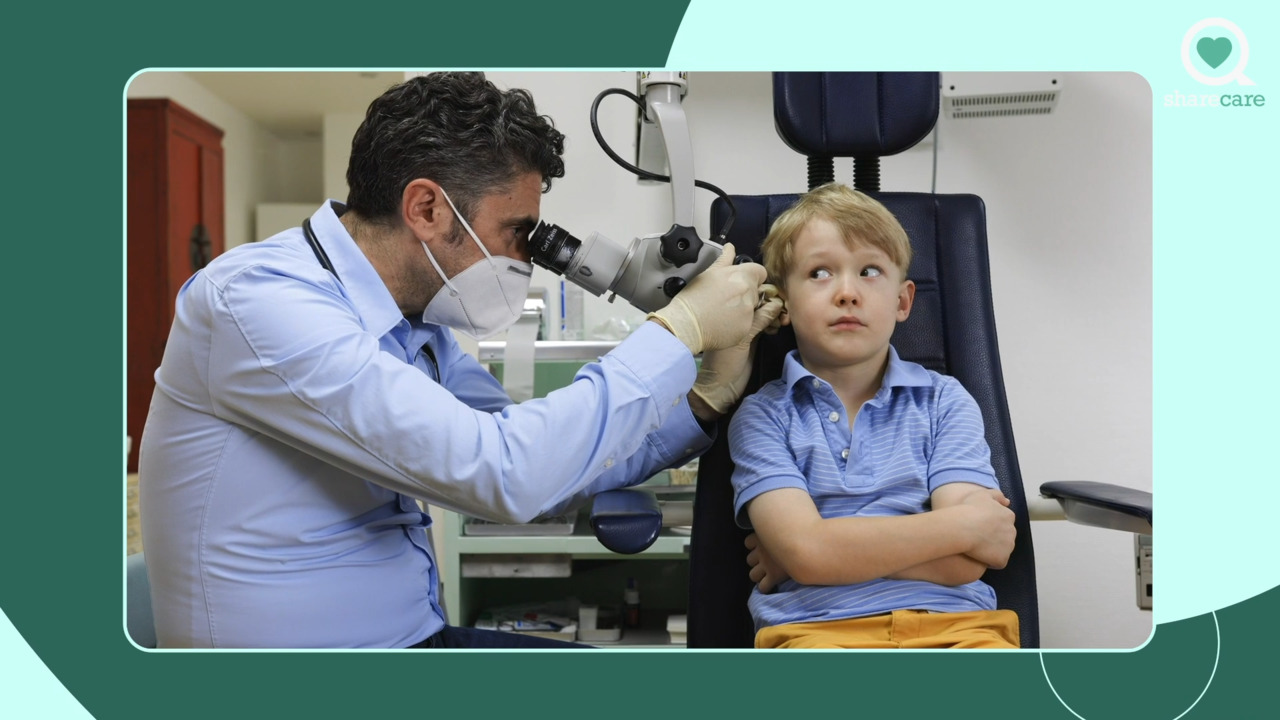
In my practice, the most common way to test for nasal polyps is by nasal endoscopy.
Sometimes a CT scan may be indicated. [MUSIC PLAYING]
Nasal endoscopy can allow for direct visualization of the polyps and the extent of how many polyps there may be.
And it could even be helpful in identifying any associated sinus disease as well.
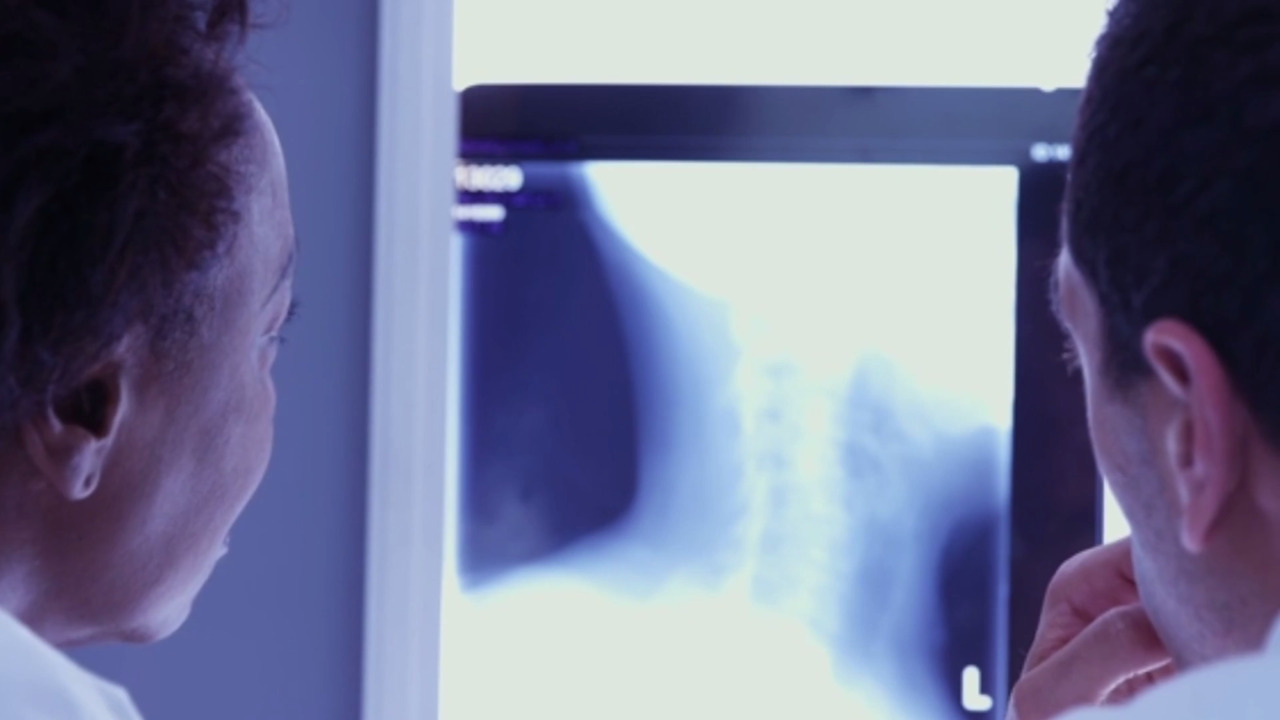
CT imaging is helpful to assess the sinus involvement, and for ENT surgeons to then do surgical planning
if surgery is indicated. Also, sometimes, CT can help us identify any masses or, again,
the extent of nasal polyps that we couldn't visualize by endoscopy. So in assessing the inflammatory phenotype for nasal polyps,
it is helpful to test for other comorbid conditions, such as asthma, aspirin-exacerbated respiratory
disease, allergic rhinitis, and in some cases, such as in children, we may even look for cystic fibrosis.
Or if there's a history of infections, we may screen for primary immune deficiency. [AUDIO LOGO]
ear nose throat
Browse videos by topic categories
A
B
C
D
E
F
G
H
I
J
K
L
M
N
O
P
Q
R
S
T
U
V
W
X
Y
Z
ALL