The cheapest, freshest produce for each season
Fill up on the ripest fruits and veggies all year long.
Updated on March 26, 2025
While many fruits and veggies are available all year around, you may notice the quantity, quality, and prices ebb and flow throughout the seasons. A cherry that’s flavorful and inexpensive in summer, for example, may be bland and costly come wintertime. One way to make sure you enjoy the freshest produce at the best prices is to choose items that are in-season, meaning they’re readily available and at their natural peak of flavor.
Before you stop at the grocery store or swing by the farmer’s market, check out this guide for choosing in-season fruits and vegetables.
Spring: Vegetables
Enjoy the greenery of the season and load your plate with striking color.
What’s in:
- Asparagus
- Broccoli
- Mushrooms
- Radishes
- Carrots
- Peas
Spring is ideal for stir-fry veggies like broccoli, carrots, and snow peas. Pair them with a lean protein, like shrimp, chicken, or tofu, and make good use of your sauté pan. Or if you’re in need of a side dish, give this zesty asparagus recipe a try.
Spring: Fruits
While apples and bananas are available, spring tends to be all about strawberries. Juicy and sweet-tart, they’re packed with antioxidants, substances that help prevent or delay damage to cells in the body. They’re also good sources of folic acid, potassium, and vitamin C.
What’s in:
- Pineapple
- Apricots
- Strawberries
Adding spring fruits to your diet is easy—try tossing some fresh berries into a spinach salad or slicing an apricot into a bowl of steel cut oats. Looking for a sweet treat? Dip spring-ripened fruit slices into low-fat plain Greek yogurt or low-fat pudding.
Summer: Vegetables
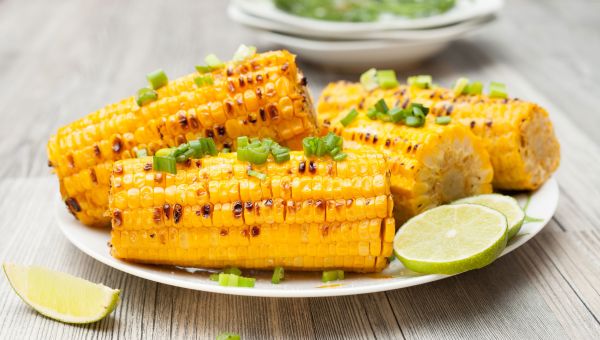
From crisp bell peppers to sweet corn, summer is prime time for many vegetables.
What’s in:
- Corn
- Zucchini and yellow squash
- Cucumbers
- Green beans
- Bell peppers
- Eggplant
- Tomatoes
Grilling is a tasty, low-fat way to cook many summer vegetables. Chop your veggies into similarly sized chunks, season them to your liking, and thread them onto metal or wooden skewers. (Soak wood skewers before grilling or they’ll burn.) Then, grill over moderate heat until tender.
Summer: Fruits
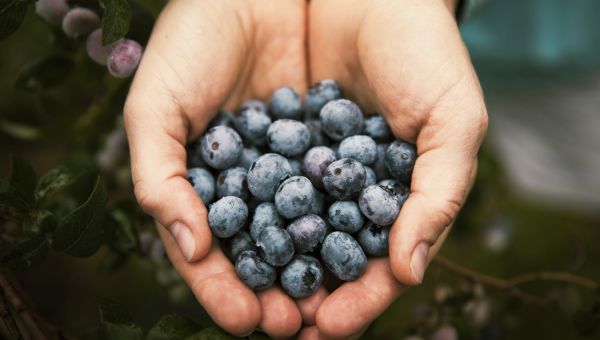
June, July, and August are fruit’s time to shine. Summertime fruits can add a punch of color and a boost of phytonutrients (beneficial natural compounds) to your plate.
What’s in:
- Blueberries, raspberries, and blackberries
- Peaches, plums, and nectarines
- Cantaloupe and honeydew
- Watermelon
- Cherries
A festive fruit salad is a staple at any summer outing. For the freshest mix, combine a mix of berries with chunks of sweet melon. Or, replenish energy levels and your body’s water supply with this season’s most hydrating fruits.
Fall: Vegetables
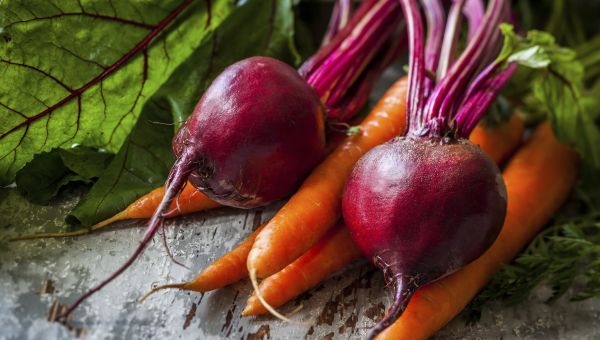
From deep purple to fiery orange and vivid green, fall’s freshest vegetables are at the peak of ripeness and the lowest price from late August through November.
What’s in:
- Beets
- Cauliflower
- Green beans
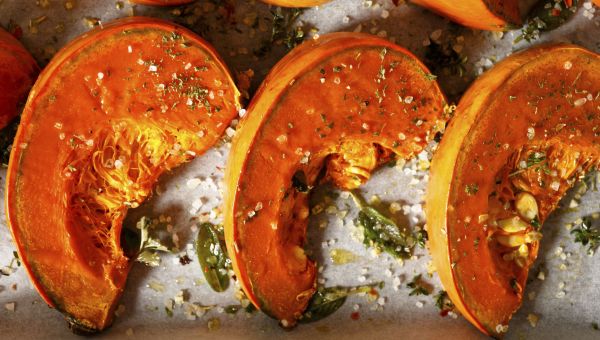
- Pumpkins
- Radishes
- Kale
Pumpkin is versatile, plentiful, and a good source of fiber and vitamin A. Try mixing pureed pumpkin into oatmeal, stirring it into soup, or toasting the seeds.
Fall: Fruits
Apples might be the quintessential fall fruit, but they aren’t the only ones in season.
What’s in:
- Apples
- Figs
- Mangos
- Pears
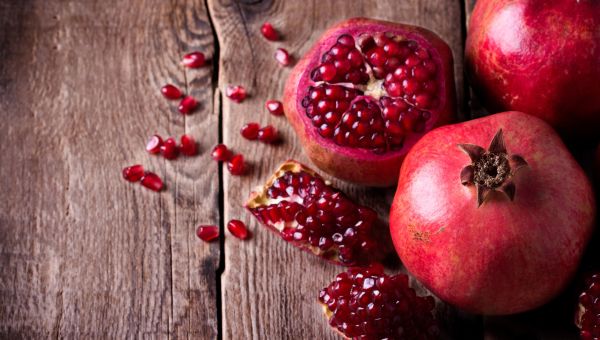
- Pomegranates
- Cranberries
Make a simple and healthy dessert by slicing an apple in half, removing the core, and baking with a sprinkle of cinnamon, nutmeg, and brown sugar.
Winter: Vegetables
The winter crop is abundant with hearty veggies like cabbage, squash, and yams. Many are rich in fiber, which keeps you feeling full, promotes regularity, aids in weight management, and helps manage diabetes and cholesterol.
What’s in:
- Brussels sprouts
- Sweet potatoes
- Carrots
- Onions
- Winter squash
Chop your favorite winter veggies and roast them with a little olive oil and your favorite spices for a delicious and satisfying side dish.
Winter: Fruits
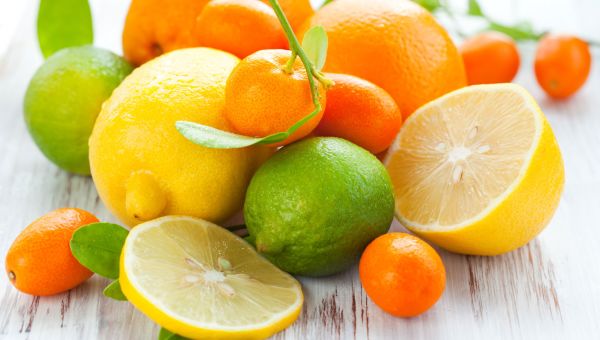
During a North American winter, you’ll find grocery stores packed with citrus fruits grown in moderate climates. Citrus is packed with fiber and immune-boosting vitamin C.
What’s in:
- Grapefruit
- Oranges
- Pineapple
- Pears
- Lemons
- Apples
Toss sliced apples and pears with kale for a seasonal salad with an extra crunch.
What about bananas? They're in season year-round. For a bit of sweetness, cream one into a cup of plain non-fat Greek yogurt to make easy banana pudding.
USDA SNAP-Ed Connection. Seasonal Produce Guide. Accessed March 26, 2025.
FreshFarm.org. What’s In Season. Accessed March 26, 2025.
Cleveland Clinic. All the Reasons You Should Eat Strawberries. March 30, 2023.
Mayo Clinic Health System. From inflammation to heart health: The perks of pumpkin in your diet. November 4, 2024.
Centers for Disease Control and Prevention. Fiber: The Carb That Helps You Manage Diabetes. May 15, 2024.
MedlinePlus. Fiber. July 23, 2024.
Mayo Clinic Health System. Boost your senses with citrus fruits. June 28, 2021.
More On


video

article
slideshow


video


video