

Advertisement
question

What ingredients do I need to avoid for my dry skin?

Dr. Ellen Marmur, MD
Dermatology
answer

If you have a dry skin, avoid the following ingredients in your skin care product:

  • Isopropyl alcohol
  • Sodium chloride

Surfactants such as:

  • Sodium lauryl sulfate
  • Sodium laureth sulfate
  • Ammonium lauryl sulfate
  • Soaps such as sodium tallowate or cocoate
  • Salicylic acid
  • Willow bark (the natural version of salicylic acid)
  • AHA acids
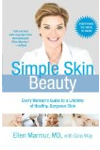
Simple Skin Beauty: Every Woman's Guide to a Lifetime of Healthy, Gorgeous Skin

More About this Book

Simple Skin Beauty: Every Woman's Guide to a Lifetime of Healthy, Gorgeous Skin

What if a leading dermatologist just happened to be your best friend and you could ask her anything? DR. ELLEN MARMUR, a world-renowned New York City dermatologist, answers all your questions with...

Continue Learning about Skin Disorders

How atopic dermatitis can harm your mental health
Atopic dermatitis is the most common form of eczema and a condition that affects millions of adults and children in the United States. Atopic dermati...
Read More
The link between atopic dermatitis and food allergies
Atopic dermatitis, also referred to as AD or eczema, is a chronic skin condition characterized by red or discolored, irritated, and itchy patches of s...
Read More
Pediatric atopic dermatitis: establishing routines
Atopic dermatitis, often referred to as eczema, is a common skin condition that affects people of all ages. It is most common in young children, thoug...
Read More
Pediatric atopic dermatitis: understanding severity
Atopic dermatitis is a skin condition that affects people of all ages, and is fairly common among children and teenagers. The majority of people who h...
Read More

Important: This content reflects information from various individuals and organizations and may offer alternative or opposing points of view. It should not be used for medical advice, diagnosis or treatment. As always, you should consult with your healthcare provider about your specific health needs.