Stroke
- What is a stroke?
- What are the types of stroke?
- What are the signs and symptoms of a stroke?
- When should you contact a healthcare provider?
- What causes a stroke?
- What are the risk factors for stroke?
- How is a stroke diagnosed?
- How is stroke treated?
- What are the possible complications of stroke?
- What questions should you ask your healthcare provider?
- Can you prevent stroke?
- What is the outlook after a stroke?
- Life after a stroke
- Featured stroke articles
Introduction
Stroke is the fifth leading cause of death in the United States and a common cause of long-term disability. It occurs when a blood vessel that ordinarily supplies oxygen-rich blood to the brain becomes blocked or bursts, resulting in brain damage that can cause disability or death. Possible symptoms of a stroke include sudden numbness (loss of sensation) in the body, paralysis, or difficulty speaking or understanding others.
Stroke occurs in around 795,000 people each year in the U.S. and is responsible for more than 140,000 deaths. The good news is that taking a few relatively simple preventive steps can lower your risk of stroke and help you improve your overall health. In fact, as many as 80 percent of strokes may be preventable, according to the American Stroke Association (ASA).
Get the facts about stroke, including the warning signs and symptoms of a stroke and when you should seek emergency care. Learn about the causes of stroke and what factors increase your risk, plus what treatments are used to help limit damage to the brain.
What is a stroke?

A stroke is a medical emergency that’s sometimes called a “brain attack.” While a heart attack occurs when blood flow to the heart is stopped, a stroke happens when blood can’t reach the brain.
The brain is the hub of your nervous system and the center of your intellect, personality, and behavior. The parts of this complex organ work in unison to control thoughts, speech, movement, and nearly all your body’s voluntary and involuntary functions.
Like most living things, the brain needs oxygen to function. Blood vessels called arteries deliver oxygen-rich blood to the brain. But sometimes, factors like plaque buildup can cause arteries to become blocked or issues like high blood pressure can cause arteries to rupture. In these cases, the brain can’t receive all the oxygen it needs and brain cells begin to die within minutes. This is known as a stroke.
Most strokes occur in parts of the brain supplied by blood flow from the carotid arteries. People have two main carotid arteries, each located on the side of the neck leading up to the head.
Stroke is a widespread problem. The Centers for Disease Control and Prevention (CDC) states:
- Someone in the U.S. has a stroke every 40 seconds and someone dies of stroke every three minutes and 14 seconds.
- Nearly one in four strokes occur in people who have previously experienced a stroke.
- Stroke can occur at any age. In fact, 38 percent of people hospitalized for stroke were younger than 65, according to a report published in 2019.
Additionally, the Global Disease Burden 2019 study found that stroke is occurring in fewer adults ages 75 and older, while cases are rising among people younger than 49 in certain parts of the U.S., particularly the South and the Midwest.
What are the types of stroke?
There are two main types of stroke:
Ischemic stroke
Ischemic stroke occurs when a blockage or narrowing in an artery prevents blood from reaching the brain. This type makes up approximately 87 percent of all strokes.
The most common cause of ischemic stroke is atherosclerosis, which occurs when fatty deposits (called plaque) accumulate on the walls of a blood vessel. This slows or blocks the flow of blood through the vessel, which may lead to a stroke (or a heart attack, in other circumstances).
There are two ways that blockages can form in blood vessels in or leading to the brain:
- Cerebral embolism refers to a blood clot (a jelly-like clump of blood) that develops in the heart or the head or neck arteries. Part of this clot can break off and travel through the blood vessels of the brain until it eventually becomes lodged in a vessel that’s too small for the clot to travel through.
- Cerebral thrombosis refers to a blood clot that forms in a plaque-filled blood vessel in the brain itself.
Hemorrhagic stroke
Hemorrhagic stroke occurs when a weakened artery ruptures or leaks, causing bleeding in or around the brain. This bleeding places pressure on surrounding brain tissue. Hemorrhagic stroke accounts for around 13 percent of stroke cases.
A hemorrhagic stroke can be categorized as either:
- An intracerebral hemorrhage, which happens in a blood vessel in the brain.
- A subarachnoid hemorrhage, which occurs in a blood vessel that travels through the space between the brain and the arachnoid membrane (the thin layer of tissue that surrounds the brain).
What is a transient ischemic attack?
A transient ischemic attack (TIA) isn’t technically a stroke, but it may signal that one is coming. Sometimes referred to as a warning stroke or a mini-stroke, a TIA is a temporary reduction in blood flow to a part of the brain. It may be caused by small blood clots or fatty deposits in a blood vessel that supplies the brain. It usually lasts a few minutes.
A TIA doesn’t cause permanent brain damage, but it’s still a medical emergency. The ASA says around 240,000 people in the U.S. experience a TIA every year and almost one in five people who have a suspected TIA experience a full-blown stroke within 90 days of the attack.
What are the signs and symptoms of a stroke?
Different parts of the brain control different functions, so stroke symptoms can vary according to what part of the brain is affected. In general, though, some of the most common signs and symptoms of a stroke include sudden:
- Confusion or trouble understanding speech
- Slurred speech or difficulty speaking
- Loss of muscle control on one side of the face, which can cause the face to droop
- Paralysis (inability to perform voluntary movements) in one part or side of the body
- Numbness or weakness in one part or side of the body
- Loss of vision or double or blurred vision in one or both eyes
- Severe headache
- Dizziness
- Difficulty walking
- Loss of coordination or balance
- Nausea or vomiting
- Total or partial loss of a sense, such as hearing or taste
- Seizures
- Memory loss
- Loss of consciousness
A TIA may also cause stroke symptoms for a brief period of time. Regardless of the duration or severity of symptoms, it’s important to seek medical care right away if they occur.
When should you contact a healthcare provider?
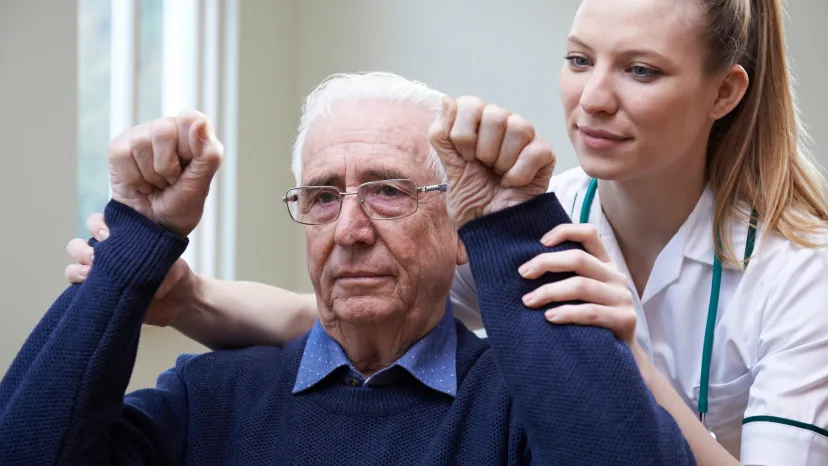
Call 911 immediately if you or someone around you is displaying signs of a stroke. Don't attempt to drive yourself to the emergency department (ED) if you think you may be having a stroke. If someone nearby appears to be having a stroke, you also may be tempted to drive them to the ED, but it's best to resist this impulse. That's because emergency medical technicians (EMTs) can provide lifesaving care in an ambulance on the way to the hospital. The longer a person goes without medical attention, the more brain damage can occur.
If you believe you or someone nearby is experiencing a stroke but you aren’t sure, the acronym F.A.S.T. can help you quickly identify stroke symptoms:
- F (face drooping): Is one half of the face drooping? Is there any numbness? Try to smile or ask the person to smile. If the smile is uneven, call 911.
- A (arm weakness): Is one arm especially weak or numb? Is it possible to raise both arms? If one arm can’t be fully raised, call 911.
- S (speech): Is speech slurred? Is it difficult to find the words to say or for others to understand those words? If so, call 911.
- T (time): Make note of the time when stroke symptoms began so you can inform EMTs. Act fast. Every second counts.
Of course, it’s important to be mindful of your brain and heart health at all times. If you have any concerns about your risk of stroke and how you can avoid a stroke, consult with a healthcare provider (HCP). They can assess your individual risk and suggest ways to improve your health. It’s also important to attend all recommended medical appointments and to promptly report any changes in health to your HCP.
What causes a stroke?
The causes of stroke vary depending on the type of stroke.
Causes of ischemic stroke
An ischemic stroke is caused by a total or partial blockage in an artery that supplies oxygen-rich blood to the brain. This blockage may be due to a blood clot or buildup of fatty deposits in the blood vessel. Several medical conditions can lead to an ischemic stroke, including:
- Atherosclerosis
- Microvascular ischemic disease (a condition that can cause blockages in small blood vessels)
- A septal heart defect (also known as a “hole in the heart”)
- Atrial fibrillation (an abnormal heart rhythm that starts in the heart’s upper chambers)
- Blood clotting disorders (conditions that make your body more likely to form blood clots)
Causes of hemorrhagic stroke
A hemorrhagic stroke is bleeding in or around the brain caused by a blood vessel that leaks or bursts. Several factors can cause or contribute to a hemorrhagic stroke, including:
- High blood pressure (hypertension) that is poorly controlled
- A cancerous or benign (noncancerous) brain tumor
- Traumatic brain injuries, such as those that may occur as a result of severe sports injuries or car accidents
- A brain aneurysm (a weakened area of a blood vessel wall that bulges out)
- Overuse of blood-thinning medications (also known as anticoagulants)
- Cerebral amyloid angiopathy (deposits of protein that collect in and weaken blood vessel walls)
- Moyamoya disease (a rare condition that affects blood vessels in the brain)
- Arteriovenous malformation (or AVM, an abnormal bundle of thin-walled blood vessels in the brain)
What are the risk factors for stroke?
There are a handful of factors that can increase your risk of experiencing stroke. Many are controllable, but some aren’t.
Established risk factors for stroke include:
- High blood pressure: Having high blood pressure that’s poorly managed is a leading risk factor for stroke.
- High cholesterol: Cholesterol is a waxy substance that’s found in certain foods and produced by the liver. Excessive amounts of cholesterol can build up in arteries and contribute to atherosclerosis, which may lead to a stroke.
- Diabetes: People with type 2 diabetes generally have an elevated risk of stroke. High blood pressure is common among people with diabetes and high blood sugar levels (also a common feature of diabetes) can hinder the flow of oxygen-rich blood to the brain.
- Heart disease: Diseases that affect the heart, such as coronary artery disease, atrial fibrillation, and heart defects, increase the risk of stroke.
- Obstructive sleep apnea (OSA): The most common form of sleep apnea, OSA raises the risk of ischemic stroke.
- Sickle cell disease: Sickle cell disease (a blood disorder that causes red blood cells to stick together) increases the risk of ischemic stroke. The condition predominantly develops in Black children.
- Race: Non-Hispanic Black adults are nearly twice as likely as white adults to experience a first stroke, according to the CDC.
- Age: Stroke can occur at any age (almost 25 percent of strokes affect people younger than 65), but the risk increases with age. The likelihood of stroke more than doubles each decade after age 55.
- Sex assigned at birth: Stroke is the third leading cause of death among people assigned female at birth (AFAB). More people AFAB die of stroke than people assigned male at birth (AMAB).
- Genetics and family history: A person’s risk of stroke may be higher if a family member has experienced a stroke. Also, some conditions that increase the likelihood of stroke (such as sickle cell disease and high cholesterol) can run in families.
- Weight: Being overweight or obese increases the risk of stroke. Carrying excess weight is linked to higher cholesterol levels, diabetes, heart disease, and blood pressure, each of which contributes to elevated stroke risk.
- Drug use: Using illegal drugs, such as cocaine or methamphetamine, or misusing prescription or over-the-counter medications can increase the risk of stroke.
- Lack of physical activity: Living a sedentary lifestyle with little exercise increases the risk of stroke. Lack of physical activity is also linked to stroke risk factors like obesity, diabetes, and high blood pressure.
- Smoking: Smoking cigarettes damages blood vessels and increases the risk of stroke. A 2019 meta-analysis published in Medicine found that for every five cigarettes a person smokes in a day, their risk of stroke goes up 12 percent. Exposure to secondhand smoke also raises stroke risk.
- Drinking alcohol in excess: Drinking large amounts of alcohol is linked to a greater risk of stroke. If you drink, it’s important to reduce your intake as much as possible. People AFAB should limit their consumption of alcohol to one drink or fewer per day, while people AMAB should have no more than two drinks per day.
According to the CDC, one standard drink equates to:
- 12 ounces of beer
- 8 ounces of malt liquor beverages, like hard seltzer
- 5 ounces of wine
- 1.5 ounces of distilled spirits, such as vodka, rum, whiskey, gin, or tequila
How is a stroke diagnosed?
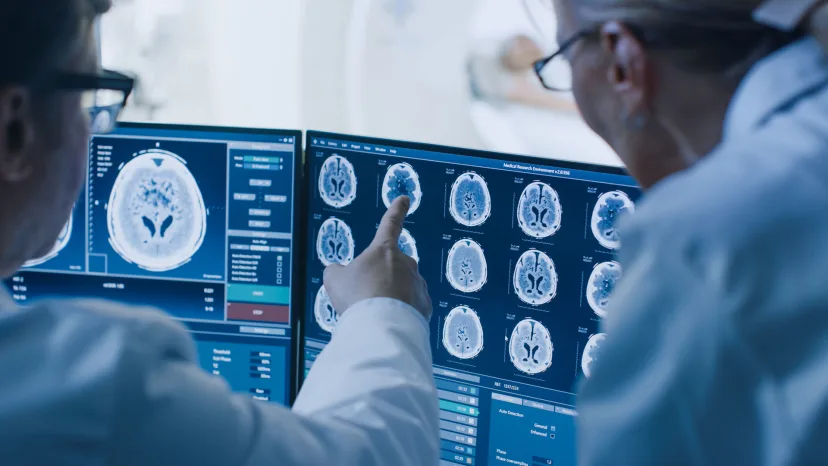
Diagnosing a stroke often begins in the emergency department. An HCP will ask you or people who witnessed your potential stroke about the symptoms you may have experienced. They’ll also ask about your medical history and lifestyle habits. Physical and neurological exams may then be performed to understand how your nervous system and overall health have been impacted by the stroke.
The next step is to run blood tests and imaging exams to rule out other possible conditions and to determine what type of stroke you had. This will influence your treatment plan.
Blood tests
Various blood tests may be performed to learn more about your health and to screen for other possible causes of your symptoms. These tests can:
- Check for signs of infection
- Assess blood clotting ability
- Screen for signs of heart damage
- Evaluate blood sugar levels
- Review kidney and liver function
Imaging exams
Imaging exams play a key role in evaluating the health of the brain and its blood supply. Several exams may be used to make a stroke diagnosis, including:
- Computed tomography (CT) scan: A CT scan uses X-rays to produce images of the brain, which can provide information about the cause and exact location of the stroke.
- Computed tomographic angiography (CTA): A CTA involves injecting a special contrast dye into a vein, which helps identify blood vessels in the brain on a CT scan. This is especially helpful in locating abnormalities like brain aneurysms.
- Magnetic resonance imaging (MRI): An MRI scan uses a magnetic field and radio waves to create more detailed images of the brain than a CT scan. It can be used to assess the extent of brain damage and locate deeper brain injuries.
- Magnetic resonance angiography (MRA): An MRA is an MRI scan that involves injecting a special contrast dye into a vein to highlight blood vessels on imaging results. This can help reveal problems like blocked blood vessels and aneurysms.
- Carotid ultrasound: A carotid ultrasound uses sound waves to create images of the inside of the carotid arteries in the neck. This can provide information about blood flow in these arteries and reveal blockages.
- Cerebral angiography: A cerebral angiography (or arteriography) involves injecting contrast dye into an artery through a very thin tube called a catheter. The catheter is inserted via a very small incision in the groin area. This helps reveal how blood flows through vessels and if there are structural abnormalities present.
- Echocardiogram: An echocardiogram uses sound waves to produce pictures of the heart. It may be used to rule out heart issues or locate the source of clots that have traveled to the brain.
- Electroencephalogram (EEG): An EEG measures and records brain waves to screen for epilepsy, which can cause seizures that may resemble a stroke.
How is stroke treated?
A stroke requires emergency medical treatment in a hospital setting to restore normal blood flow to the brain and to prevent or limit brain damage. Treatment will depend on what type of stroke occurred. HCPs will also work to ensure the patient is stable, meaning their condition isn’t worsening.
Ischemic stroke treatment
A combination of medication and surgery may be used to treat an ischemic stroke. Treatment focuses on improving blood flow and removing the blood clot or plaque buildup from the artery that caused the stroke.
Medication for ischemic stroke
A person who arrives at the hospital within three or so hours of the stroke will likely receive tissue plasminogen activator (tPA) medication through a vein in the arm. This medication works rapidly to dissolve blood clots and increase blood flow to the brain. When given shortly after a stroke, tPA improves the chances of recovering without long-term brain damage and disability.
If a person cannot receive tPA, a fast-acting, blood-thinning medication (such as heparin) may be given to help improve blood flow and prevent clots from getting larger.
Procedures for ischemic stroke
Ischemic stroke treatment may also involve undergoing a medical procedure to open a blocked artery.
One such treatment is a thrombectomy, which removes a blood clot from an artery. An HCP inserts a catheter into a vein around the groin area. After the catheter is guided to the blocked artery in the neck or brain, the HCP performs what’s called an angioplasty and stenting procedure to remove the clot. This procedure involves the following steps:
- The HCP uses the catheter to insert a thin, narrow tube made of mesh called a stent into the artery. They may also insert a small, deflated balloon into the artery.
- The balloon or mesh tube is slowly expanded to open the artery and restore blood flow.
- Another tube called a stent retriever is fed through the catheter to grab the blood clot.
- The stent retriever and blood clot are guided out of the catheter.
Another medical procedure that may be used to address an ischemic stroke is called a carotid endarterectomy, which removes plaque buildup from the carotid artery. This surgery involves reaching the blocked artery through an incision in the neck. An incision is then made in the artery and a device called a shunt is placed to divert blood flow around the blockage as plaque is removed.
Hemorrhagic stroke treatment
Hemorrhagic stroke treatment focuses on stopping bleeding and relieving pressure in the brain.
Medication for hemorrhagic stroke
A person with a hemorrhagic stroke may receive blood pressure medication as an emergency measure to help lower pressure in the brain, reduce overall blood pressure, and prevent issues like seizures and blood vessel spasms. Someone experiencing a hemorrhagic stroke who takes blood-thinning medications to avoid blood clots may be given additional medications to reverse the effect of the blood thinners and slow bleeding.
Medical procedures for hemorrhagic stroke
There are a variety of procedures that may be used to address a hemorrhagic stroke, including:
- Coil embolization: This procedure seals off or stops blood flow to a ruptured blood vessel or ruptured aneurysm. A catheter is fed into the damaged artery from the groin area and a small coil is guided up the catheter and into the aneurysm. The coil promotes blood clotting around the damage to prevent the artery from rupturing again.
- Aneurysm clipping: This procedure stops bleeding from a ruptured aneurysm by cutting it off from other blood vessels in the brain. A small clamp is placed at the aneurysm’s base to stop blood flow to it.
- Blood transfusion: This procedure may be performed to counter the effects of blood thinners or replace blood that may have been lost in surgery. During a transfusion, blood from a healthy donor with a matching blood type is given through an intravenous (IV) line into the arm.
- Stereotactic radiosurgery: This minimally invasive surgery uses precisely aimed radiation to repair structural abnormalities in blood vessels.
- Fluid drainage: Surgery to drain excess fluid that has accumulated in the brain can relieve pressure and prevent further brain damage.
- AVM removal: If an arteriovenous malformation (AVM) that ruptured or could rupture is in an easily accessible part of the brain, it may be removed through surgery.
An HCP may also perform other emergency measures for a patient with a hemorrhagic stroke. For instance, a surgeon may be able to relieve pressure on the brain by removing a piece of the skull or draining blood that may have pooled as a result of the stroke.
What are the possible complications of stroke?
Stroke can cause a wide range of complications depending on what part of the brain is affected and how long it went without oxygen. While some people are able to fully recover from a stroke, others may contend with emotional or physical health issues or lifelong disabilities.
Some possible complications of stroke include the following:
- Blood clots: These may form due to a lack of physical activity during the stroke recovery process.
- Loss of bowel or bladder control: People may experience stroke-related changes to muscles and nerves that facilitate urinating and passing bowel movements.
- Muscle weakness or trouble moving well: People may experience paralysis on one side of the body or loss of muscle control in certain areas, such as one arm. This can make walking challenging and increase the risk of falls.
- Seizures: These are more likely in the days or weeks following a stroke. The risk of seizures usually decreases as time goes on.
- Difficulties with language, memory, writing, or thinking: A person may also have trouble making decisions, focusing, or understanding complex concepts. Stroke also increases the risk of developing dementia.
- Swelling in the brain: This may occur after a stroke if fluid builds up in the brain or within the skull. In these cases, an HCP can perform a procedure to relieve pressure on the brain by draining fluid or temporarily removing a piece of the skull.
- Trouble swallowing: Stroke-related changes to muscles that control swallowing may make eating or drinking more difficult. These changes may also increase the chances of inhaling food into the lungs, which can lead to pneumonia.
- Weakened senses: This includes loss of touch, hearing, or vision. These changes may make it more difficult to have conversations or perform everyday activities like reading, cooking, or driving. Someone who has had a stroke may also have trouble feeling heat, cold, or pain.
- Uncomfortable sensations: Numbness, tingling, or pain may be present in one half or part of the body.
- Fatigue and trouble sleeping: Issues with sleep may persist for a few months or even years after the stroke.
- Emotional distress: As many as two thirds of people experience depression and around 25 percent of people develop anxiety within five years of their stroke. Stroke survivors may also have difficulty controlling or expressing emotions, which may evolve into depression or anxiety.
- Changes in personality or behavior: For example, some people may become more withdrawn after having a stroke.
- Difficulty living independently: Performing everyday tasks can be more challenging due to brain damage.
- Reduced bone density: This typically occurs on one side of the body and may lead to osteoporosis.
Stroke complications can often be treated or managed. For example, medication can help limit seizures, prevent blood clots, and ease depression or anxiety.
Many people who experience stroke participate in rehabilitation (rehab) programs designed to address stroke complications and to help them live more independently. In particular, rehab can help improve physical mobility, speaking, or swallowing. (See more on rehabilitation below.)
What questions should you ask your healthcare provider?

If you’ve had a stroke or are concerned about your risk, it can be helpful to keep a list of questions to ask your HCP at your next medical appointment. A few basic questions to get you started include:
- Do I have high blood pressure? How can I keep my blood pressure in a healthy range?
- Am I at a greater risk of stroke based on my family medical history?
- Are my cholesterol levels elevated? If so, how can I lower my cholesterol?
- How does smoking increase my risk of stroke? What resources are available to help me quit smoking?
- What changes to my diet can I make to lower my risk of stroke?
- I’ve had a stroke. What are my treatment options? What are the risks and benefits of each?
- What does stroke recovery involve?
- What is my prognosis? How is my daily routine going to change?
- My stroke has caused emotional changes. What can I do to feel better?
- What activities do I need to avoid after a stroke?
- What are the chances that I’ll have another stroke?
- How can I improve my quality of life after a stroke? Can you connect me to supportive care professionals, such as counselors?
Can you prevent stroke?
Up to 80 percent of strokes are preventable through healthy lifestyle choices and taking steps to control stroke risk factors like high blood pressure and diabetes. Keep these tips in mind to lower your risk of stroke:
Maintain a healthy body weight. Your HCP can help you determine an ideal weight based on factors like your height and age.
Don’t smoke. If you do smoke, talk to your HCP about ways you can quit. Joining a smoking cessation program may be helpful. Additionally, do your best to avoid secondhand smoke.
Nourish your body with heart-healthy foods. Eating to reduce your risk of heart disease can lower your risk of stroke as well. This includes filling your plate with plenty of fresh vegetables and fruits, whole grains, lean proteins, and healthy fats like olive oil. Limit or avoid salty foods to help keep blood pressure in check. To promote healthy cholesterol levels, eat plenty of fiber and stay clear of foods loaded with cholesterol, saturated fats, and trans fats. Your HCP may recommend you take medication to help lower your cholesterol if diet alone is not enough to manage your levels.
Limit alcohol or avoid it altogether. If you drink, limit your alcohol consumption to a moderate intake. That means no more than one drink per day (if you’re assigned female at birth) or two drinks per day (if you’re assigned male at birth).
Get moving. Engaging in regular physical activity can help you maintain a healthy body weight, control blood pressure, and improve cholesterol levels. According to the American Heart Association (AHA), people who are more active have a 25 to 30 percent lower risk of stroke than people who are less active.
The CDC recommends that most adults get 2 hours and 30 minutes of moderate-intensity aerobic physical activity every week. This can include simple activities like briskly walking around your block. For individualized exercise guidance, check with your HCP. They may refer you to an exercise physiologist, a professional who specializes in improving health through physical activity.
Manage your wellness. This includes ensuring your blood pressure and cholesterol levels are in a healthy range. Your HCP may recommend medication or other approaches to help control blood pressure and cholesterol. Make sure you take all medications you may be prescribed according to your HCP’s guidance.
It’s also important to attend your scheduled medical appointments and work closely with your HCP if you have other conditions that can raise your risk of stroke, such as diabetes, sleep apnea, heart disease, and sickle cell disease.
Avoid illegal drugs. Using drugs like cocaine and methamphetamine increases your stroke risk. Never be afraid to ask for help if you need support. For immediate assistance, visit the Substance Abuse and Mental Health Services Administration website or call their free hotline at 1-800-662-4357.
Take stroke-preventing medicine as prescribed. Depending on your medical history and risk factors, your HCP may recommend medication to help prevent stroke. These might include:
- Anticoagulant drugs: Also known as blood thinners, these drugs help prevent blood clots by thinning the blood. Examples of anticoagulants include warfarin, dabigatran, rivaroxaban, edoxaban, and apixaban.
- Anti-platelet drugs: These help prevent blood clots by making blood cells called platelets less sticky. Aspirin is an anti-platelet drug, as is clopidogrel.
What is the outlook after a stroke?
The outlook after a stroke varies significantly from person to person. Factors that influence someone’s prognosis (the prospect of recovery) include:
- How quickly the stroke was treated
- What type of stroke occurred
- The severity of the stroke
- What part of the brain the stroke affected
- The person’s age and overall health
Hemorrhagic strokes are generally associated with worse symptoms and outcomes than ischemic strokes, though every case is different.
It’s possible to fully recover from a stroke, but temporary or long-term disabilities are relatively common. There are more than 7 million stroke survivors in the U.S., and around two thirds of them experience some sort of disability. Moreover, around a quarter of people who experience a stroke will have another stroke within five years.
Stroke is also a leading cause of death. According to the AHA, stroke accounted for approximately 1 in every 21 deaths in the U.S. in 2020. This statistic underscores the importance of living a healthy lifestyle that helps reduce the risk of stroke.
Life after a stroke

Life after a stroke looks different for everyone. In general, though, the overall goal of stroke recovery is to regain as much function and independence as possible. The recovery process may take weeks, months, or years. For some, learning how to manage the effects of stroke is a lifelong journey.
Recovery starts in the hospital immediately after you receive stroke treatment and are stabilized. A standard hospital stay after a stroke is around five to seven days, although this can vary depending on the severity of the stroke and whether you experience complications.
Stroke rehabilitation methods
Your healthcare team will determine what types of rehabilitation you may need and create a stroke recovery plan that’s suited to your situation.
During and after your hospital stay, you may receive care from:
- A physical therapist (PT), who specializes in helping people regain movement and improving coordination through exercises and nonsurgical techniques
- An occupational therapist (OT), who specializes in helping people relearn how to perform everyday tasks like dressing, bathing, reading, writing, and cooking
- A speech therapist, who specializes in helping people speak better and understand others
Stroke recovery sometimes involves receiving care from neurologists, registered dietitians, and licensed mental health providers like psychologists and counselors. You may be referred to a neuropsychologist, or a psychologist who specializes in helping people with brain damage and neurocognitive disorders cope with their emotions and feel better overall.
Innovative new therapies are also showing promise in helping people recover from stroke. These include noninvasive brain stimulation (NIBS), which stimulates parts of the brain with a gentle electrical current.
You will likely continue with rehab at an inpatient rehabilitation center once you’re discharged from the hospital. Some patients are able to return home and visit an outpatient center as needed. People with stroke often show the most improvement within the first three months of recovery. It’s during this period when some patients experience “spontaneous recovery,” which occurs when an ability that was lost after a stroke suddenly returns.
It’s important to remember that your stroke recovery is unique to you. You may encounter setbacks or feel frustrated, hopeless, or anxious at times. Remember that your healthcare team is here to help.
Be sure to communicate any concerns or questions you have to your HCP and lean on friends and loved ones for support. In addition to speaking with a mental health professional, you may also find it beneficial to join an in-person or online support group for stroke survivors.
Support groups and helpful resources are also available if you’re a caregiver of someone recovering from stroke. To discover more about life after stroke and patient or caregiver support, browse resources from reputable organizations like these:
Featured stroke articles

American Heart Association. 2023 Heart Disease and Stroke Statistics Update Fact Sheet: At-a-Glance. Accessed November 20, 2023.
American Heart Association. U.S. Stroke Rate Declining in Adults 75 and Older, Yet Rising in Adults 49 and Younger. Published February 3, 2022.
American Stroke Association. About Stroke. Accessed November 6, 2023.
American Stroke Association. Hemorrhagic Stroke. Accessed November 8, 2023.
American Stroke Association. Ischemic Stroke (Clots). Accessed November 8, 2023.
American Stroke Association. Let’s Talk About a Stroke Diagnosis. 2020. Accessed November 9, 2023.
American Stroke Association. Life After Stroke. 2019. Accessed November 20, 2023.
American Stroke Association. Stroke Symptoms. Accessed November 8, 2023.
American Stroke Association. Transient Ischemic Attack (TIA). Accessed November 8, 2023.
American Stroke Association. Women and Stroke. Accessed November 10, 2023.
Centers for Disease Control and Prevention. About Stroke. Last reviewed May 4, 2023.
Centers for Disease Control and Prevention. Dietary Guidelines for Alcohol. Last reviewed April 19, 2022.
Centers for Disease Control and Prevention. Know Your Risk of Stroke. Last reviewed May 4, 2023.
Centers for Disease Control and Prevention. Prevent Stroke: What You Can Do. Last reviewed April 5, 2022.
Centers for Disease Control and Prevention. Stroke Facts. Last reviewed May 4, 2023.
Centers for Disease Control and Prevention. Stroke Signs and Symptoms. Last reviewed May 4, 2022.
Centers for Disease Control and Prevention. Treat and Recover From Stroke. Last reviewed May 4, 2023.
Cleveland Clinic. Stroke. Last reviewed September 22, 2022.
Global Burden of Disease Collaborative Network. Global Burden of Disease Study 2019 (GBD 2019). Seattle, United States: Institute for Health Metrics and Evaluation (IHME), 2020.
Ikpeze T. Sleep Apnea and Stroke Risk. SleepApnea.org. Last updated September 22, 2023.
Johns Hopkins Medicine. Carotid Endarterectomy. Accessed November 17, 2023.
Johns Hopkins Medicine. Stroke Recovery Timeline. Accessed November 20, 2023.
Mayo Clinic. Stroke. Last reviewed July 8, 2023.
National Heart, Lung, and Blood Institute. Stroke – Symptoms. Last updated May 26, 2023.
National Heart, Lung, and Blood Institute. Stroke – Treatment. Last updated May 26, 2023.
National Institute of Neurological Disorders and Stroke. Brain Basics: Know Your Brain. Last reviewed November 15, 2023.
Pan B, Jin X, Jun L, Qiu S, Zheng Q, Pan M. The relationship between smoking and stroke: A meta-analysis. Medicine (Baltimore). 2019;98(12):e14872.
Society for Cardiovascular Angiography and Interventions. Stroke – Ask Your Doctor. SecondsCount.org. Last reviewed November 28, 2022.
Stroke Awareness Foundation. Stroke Facts and Statistics. Accessed November 6, 2023.
Stroke Association. Emotional Changes. Accessed November 20, 2023.
Tsao CW, Aday AW, Almarzooq ZI, et al. Heart Disease and Stroke Statistics-2023 Update: A Report From the American Heart Association [published correction appears in Circulation. 2023 Feb 21;147(8):e622] [published correction appears in Circulation. 2023 Jul 25;148(4):e4]. Circulation. 2023;147(8):e93-e621.
Williamson L. 5 Critical Steps to Help Prevent a Stroke. American Heart Association. Published May 5, 2021.