Updated on January 6, 2026.
Cigarette smoke is complex mix of more than 7,000 chemicals. At least 70 are carcinogenic, which means they’re known to cause cancer. If you smoke, you inhale these with every puff you take.
One of smoke’s most harmful components is nicotine, which poses several serious health risks:
- It interferes with healthy brain development in young people.
- It can harm the fetus of a pregnant person.
- It can raise blood pressure and pulse, increasing the work of the heart.
- It’s highly addictive.
And nicotine is just one of many potentially dangerous substances. Here are some additional chemicals found in cigarette smoke, and other places they may appear:
- Arsenic, also found in rat poison
- Ammonia, a poison found in many household cleaners
- Acetone, also found in nail polish remover
- Benzene, also used to make glue, tires, and rubber
- Carbon monoxide, a toxic gas
- Cadmium, also used in rechargeable batteries
- Cyanide, also a poison used as a weapon in wars
- DDT, also used to kill bugs
- Formaldehyde, also found in fluid that preserves dead bodies
- Lead, a poison that's been removed from nearly all paints
- Mercury, a poisonous substance that can be breathed in
- Nickel, which can cause cancer
- Hydrogen cyanide, a deadly poison used
- Hydrogen sulfide, which is also sewer gas
- Polonium-210, a radioactive substance
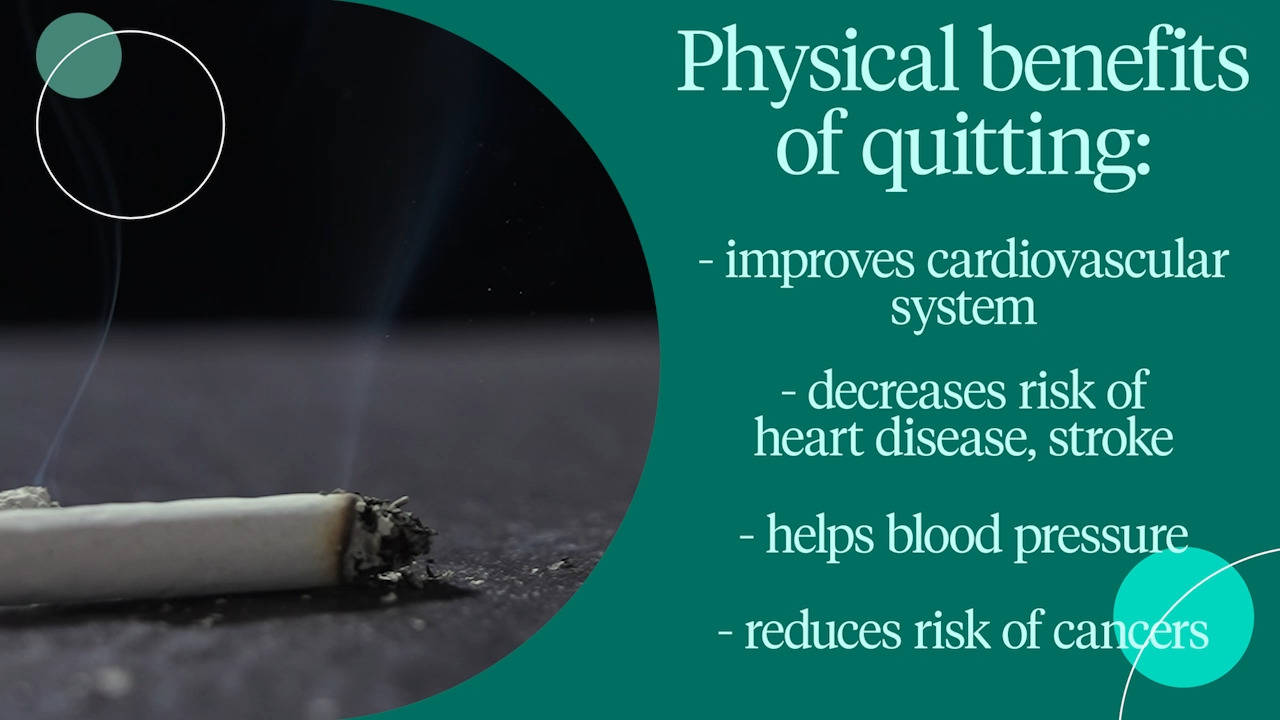
These are just part of the reason why quitting smoking is a healthy choice. The sooner you decide to quit, the healthier you can be.