How RSV affects higher-risk patients
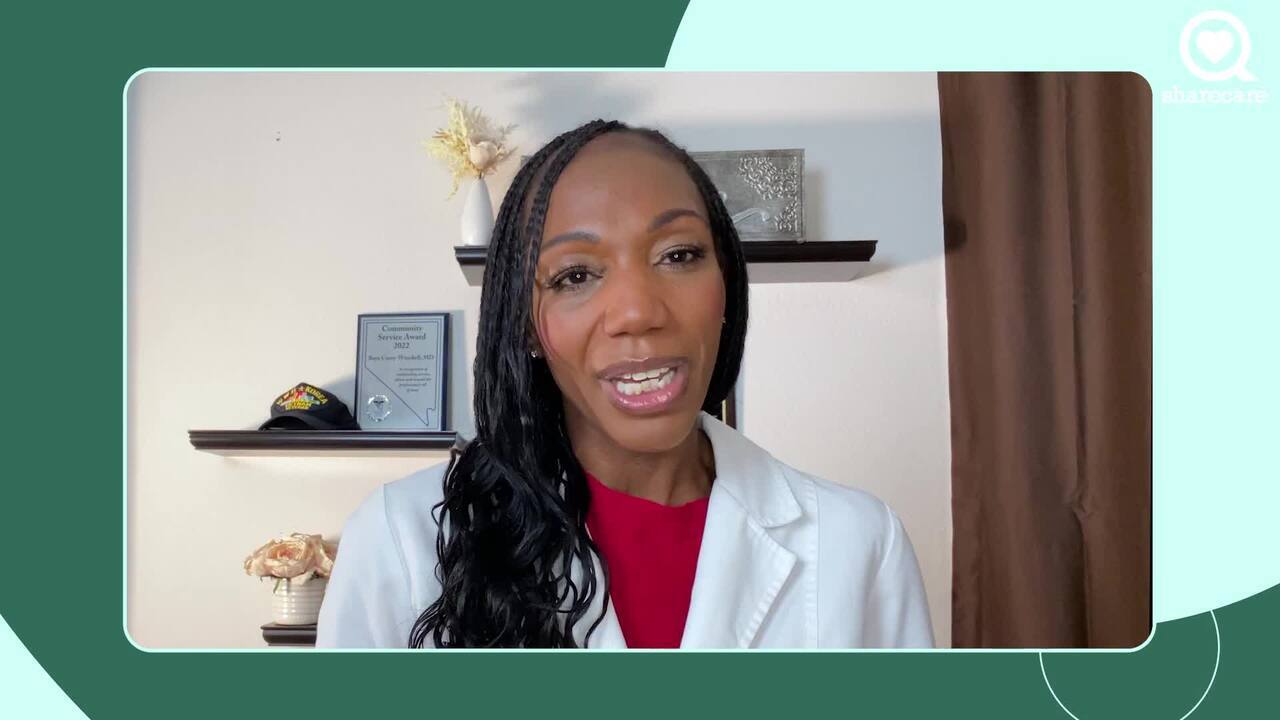
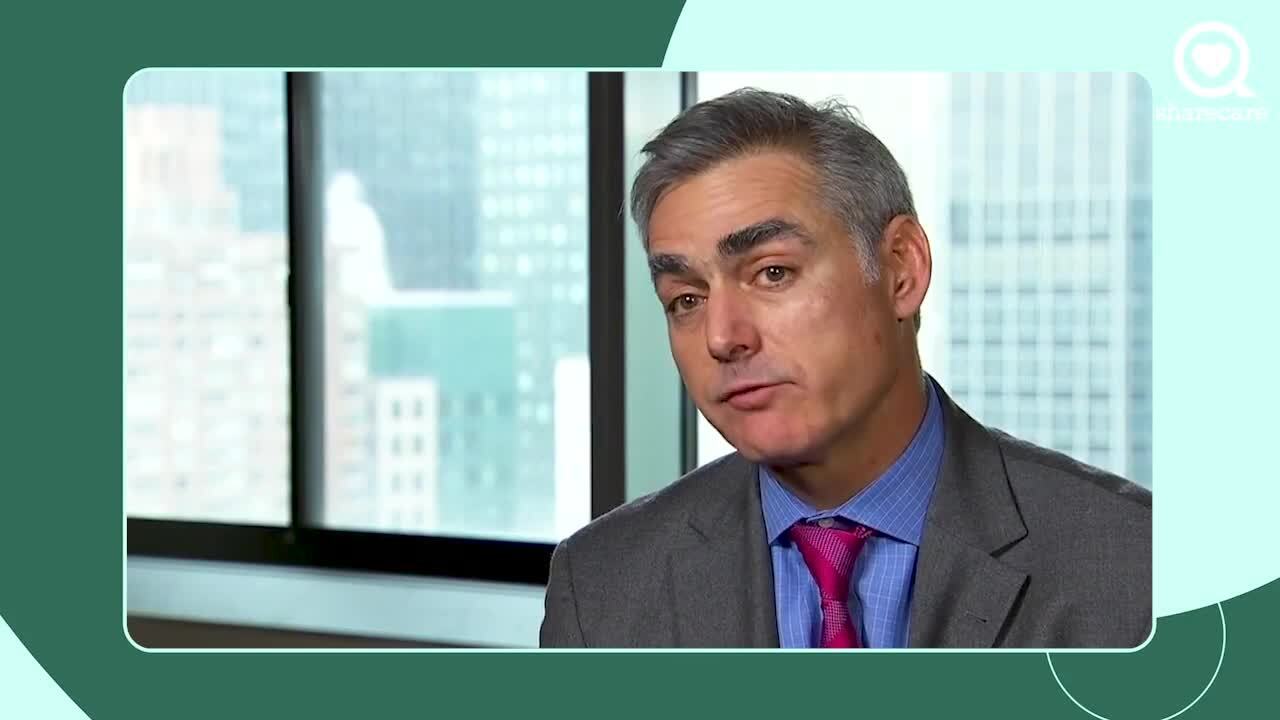
Bayo Curry-Winchell, MD explains why RSV can be dangerous to older adults

Transcript
I have a chronic condition. Should I be concerned about RSV? [GENTLE MUSIC]
Many people think of babies and infants when it comes to the risk of RSV. But older adults, and especially those with chronic conditions
that affect their heart or lungs, should also be cautious about the virus. RSV is contagious and targets the lungs
and respiratory system. For most healthy people, it can feel similar to a mild cold. But in more severe cases, RSV can
lead to lung infections or pneumonia. For patients with chronic illnesses like asthma, COPD, and congestive heart failure
that already have difficulties breathing or getting enough oxygen, RSV can make it even harder.
Like so many other things, our immune systems change as we get older and start to weaken around
the time we hit 60. The CDC estimates that up to 160,000 older adults are hospitalized with RSV in the US each year,
and up to 10,000 die due to the infection. Now, those numbers may seem scary, but whether you're at higher risk or not,
there are steps you can take to protect yourself. Well that's reassuring. What should I do? Well, like the cold or flu, RSV is seasonal.
So most people will get sick from fall to spring. You should be vigilant year round, but especially during RSV
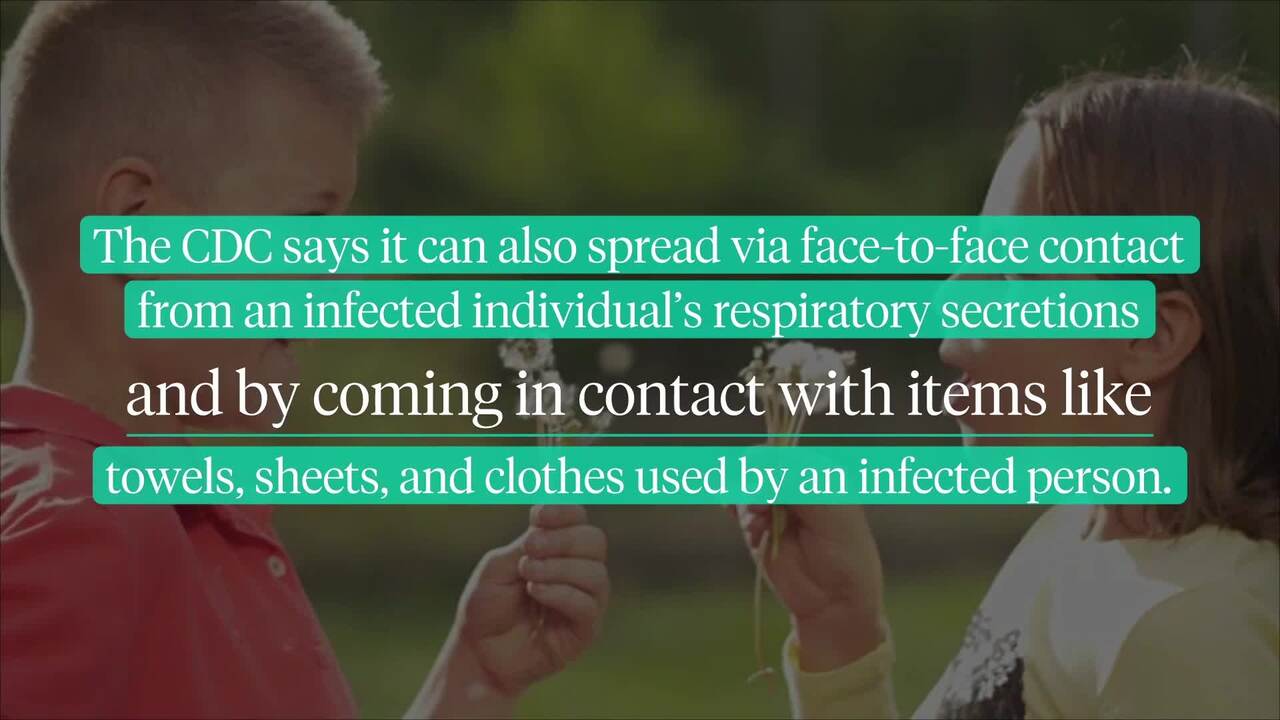
season. Avoid close contact with people you know are sick. Wash your hands frequently. Try not to touch your face and be
diligent about cleaning things you often touch around your home, such as doorknobs, countertops, and your phone.
The good news is that the FDA's approved a vaccine for RSV for some adults. Talk to your health provider to see what your options are.
infections





Browse videos by topic categories
A
B
C
D
E
F
G
H
I
J
K
L
M
N
O
P
Q
R
S
T
U
V
W
X
Y
Z
ALL