Whether you want to save the planet or your waistline, going vegetarian—or even vegan—can be a valid way to do both. Dean Ornish, MD, recommends eating a diet of mostly plants to combat heart disease, diabetes, prostate cancer and obesity. Plus, some of the longest-lived people in the world, concentrated in places known as Blue Zones, eat mostly vegetarian, as well.
But just because something is vegetarian doesn’t necessarily mean it’s healthy—and pulling the meat out of a meal doesn’t automatically make it healthy, either.
“For something like chicken with noodles, when you remove the chicken you’re losing protein and just eating carbs,” says Jessica Hargroder, RD, a registered dietitian with St. Mark’s Hospital in Salt Lake City, Utah.
Here are some of the most common mistakes vegetarians and vegans make when it comes to trying to eat healthy.
Losing out on protein
Beware of vegan or vegetarian replacements for common foods, says Hargroder. You’ll often find yourself swapping protein for more carbs or more fat.
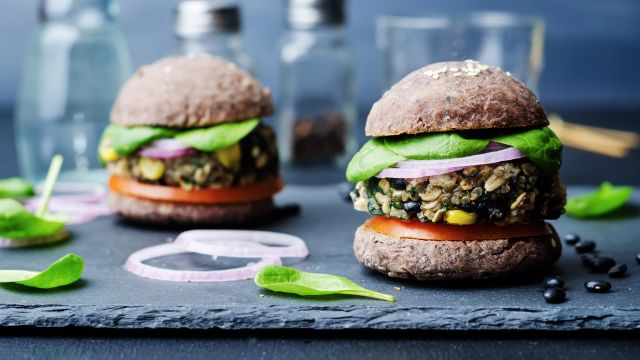
Veggie burgers are one such culprit, Hargroder notes. The kind that are made from grains, like barley, are especially carb-heavy. “You’ll have carbs in the bun and more in the burger, and many people will then add on chips or fries,” she says. “The whole meal will be high in carbs and fat, with not a lot of protein.” Better options would be burgers made with beans, chickpeas or quinoa.
Skimming nutrition
Another substitution to be wary of is nut milk. While almonds and cashews are packed with protein, fiber and healthy fat, milk made from nuts is so watered down it’s nearly devoid of nutrition.
“A quarter cup of almonds has 160 calories. A cup of almond milk has maybe 30,” Hargroder says. “How many almonds can possibly be in that cup? They’re often putting in so few almonds and so many gums and other fillers to make it creamy.”
Hargroder also mentions that while packaging may say these products have double the calcium as cow’s milk, it’s often not coming from the almonds. “They’re just adding more calcium,” she says.
Leaving the cooking to others
The biggest mistake most vegans and vegetarians make, according to Hargroder, is not cooking for themselves. Processed foods—even vegan and vegetarian options—rarely stack up well against home cooked meals. A serving of one brand of vegan mac and cheese can have up to 520 calories, with 22 grams of fat, a whopping 72 grams of carbs and only 8 grams of protein. You can make your own vegan mac and cheese with butternut squash for 350 calories while slashing the carbs in half and adding protein.
“You can have really healthy meals as a vegetarian or vegan, but you need a little prep time," Hargroder says. If you’re eating out most of the time or buying prepackaged foods, "it probably won’t be so healthy,” she notes.
If you'd like to be a DIY vegetarian or vegan cook, it's important to start with a solid foundation. “For the most part, every day you want to be planning and getting enough protein,” Hargroder adds.
Not sure where to begin? Try this healthy vegetarian chili recipe that’s loaded with protein and fiber.