


The medical condition bringing you to the emergency room determines much of what happens in the exam room. There are a few things that you can rely on happening, including the following:
- You will receive a medical screening exam by an ER Physician. An ER physician, ER nurse, and possibly, a Physician Assistant or Nurse Practitioner will ask you questions for a more detailed history and understanding of the reason for your visit.
- If your condition is such that you are unconscious, or otherwise unable to speak for yourself, a medical history about your condition may be solicited from family members, friends at the bedside, nursing home or assisted living facility records and staff reports, your previous hospital records, and from ambulance personnel involved in your pre-hospital care. Ambulance personnel may even call ahead and send data like an EKG to the ER physician prior to arrival in the case where CPR and other life sustaining measures are already in progress and need to be continued immediately upon patient arrival to the exam room.
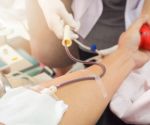
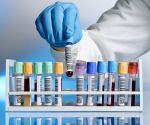
- X-rays, blood tests, CAT scans, ultrasounds or other diagnostic tests will be ordered, if appropriate, and you may be informed of these orders.
- Medical specialists may be called by your ER physician to perform consultations, evaluations and, possibly, treatments.
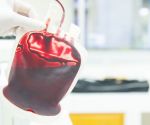
- Your physician may order medications for you such as pain medication, antibiotics, breathing treatments, blood thinners, anti-nausea medication or other medications targeted to reduce your discomforts. You may receive intravenous [IV] fluids for hydration, or even blood transfusions for anemia [low blood count].
- At completion of your medical screening exam, you [or your designated, responsible significant other] will be informed of your medical diagnosis and treatment recommendations by your ER physician. Your recommendations will be for discharge from the ER, admission to a specific specialty area of the hospital, or transfer to a medical facility best suited to care for yourspecific health need.
The ER exam room may also be the place where you speak with a social worker, law enforcement [if necessary], or a chaplain/minister. You may interact with a variety of important members of your health team including housekeepers, and techs. You will have a primary ER nurse who cares for your medical, educational, and spiritual needs, along with your physician. The nurse coordinates much of your care and serves as a liaison between you and your physician.
Continue Learning about Critical Care

Important: This content reflects information from various individuals and organizations and may offer alternative or opposing points of view. It should not be used for medical advice, diagnosis or treatment. As always, you should consult with your healthcare provider about your specific health needs.