What’s good for your heart may also be good for your brain and your mood. A report in the Gallup-Sharecare State of American Well-Being series measured 190 US communities and ranked them in order from lowest percentage of people experiencing a heart attack to highest. The report also revealed that 32 percent of people who had a heart attack more than one year prior had trouble concentrating at work due to depression or anxiety, compared to only 22 percent of those who have never had a heart attack.
A growing body of research is showing the strong connection between heart health and mental health. People with coronary heart disease (among other chronic illnesses) are more likely to be depressed, and conversely, people with depression are more likely to have another illness, likely due to increased inflammation and changes in heart rate and circulation. Here’s what science has to say about the head-heart connection.
Depression and your heart
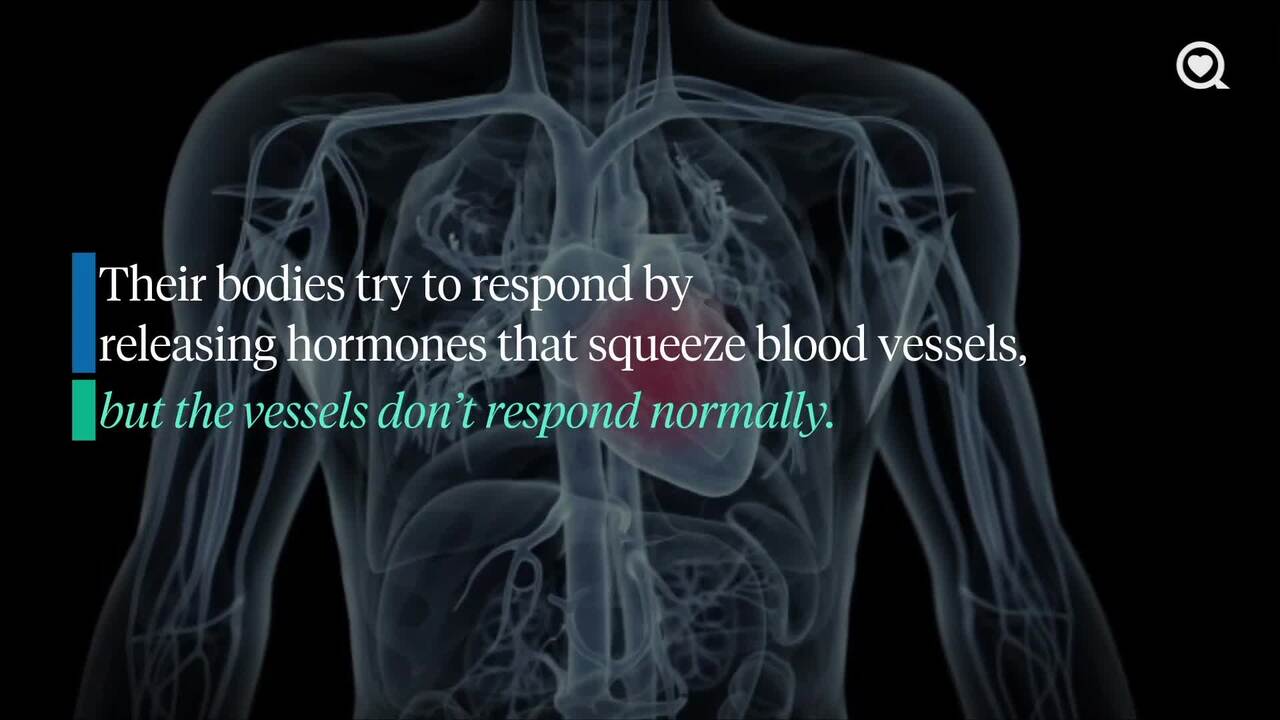
Researchers aren’t sure whether depression is a cause of heart disease or if it’s a symptom. Depressed people have decreased parasympathetic nervous system activity—the “rest and digest” response (as opposed to flight-or-fight response of the sympathetic nervous system) that slows the heart and relaxes the muscle—as well as increased inflammation, a risk factor for heart disease. Their blood cells also have a tendency to clump together, potentially resulting in clots that can cause heart attacks or strokes.
The two conditions feed on each other. People who are recovering from a heart attack or heart surgery, and people with heart disease symptoms that interfere with their normal lives, are at a greater risk of depression. When you’re depressed, you’re less likely to eat healthy, exercise or resist temptations like drinking alcohol or smoking. These sorts of unhealthy choices increase your risk of heart disease.
How to help your heart and your brain
Lifestyle medicine is an approach to health that uses physical activity, nutrition and stress management to either help heal or prevent chronic conditions. One such program—the Ornish Lifestyle Medicine program, developed by Dean Ornish, MD—is geared specifically toward heart disease.
A 2010 study of 1,000 people at high risk for heart disease, conducted by Dr. Ornish and colleagues, put participants through 12 weeks of Ornish Lifestyle Medicine. At the end of the 12 weeks, nearly all of the observed metrics—weight, body fat, total cholesterol, LDL cholesterol, blood pressure, hemoblobin A1C (a diabetes marker)—and others were improved by double-digit percentages. What’s more, of the 341 people in the study who were depressed, nearly three out of four were no longer depressed by the end of the study.
Here are some ways for you to incorporate lifestyle changes that can help cut down on both heart disease risk and depression.
- Ornish recommends a plant-based, low fat diet.
- Get 150 minutes of moderate exercise or 75 minutes of vigorous exercise per week, as per the Centers for Disease Control and Prevention’s recommendations.
- Try one of these stress-busters.
- Make sure you have a solid support system of friends, family or colleagues.