How can I prevent varicose veins and spider veins?
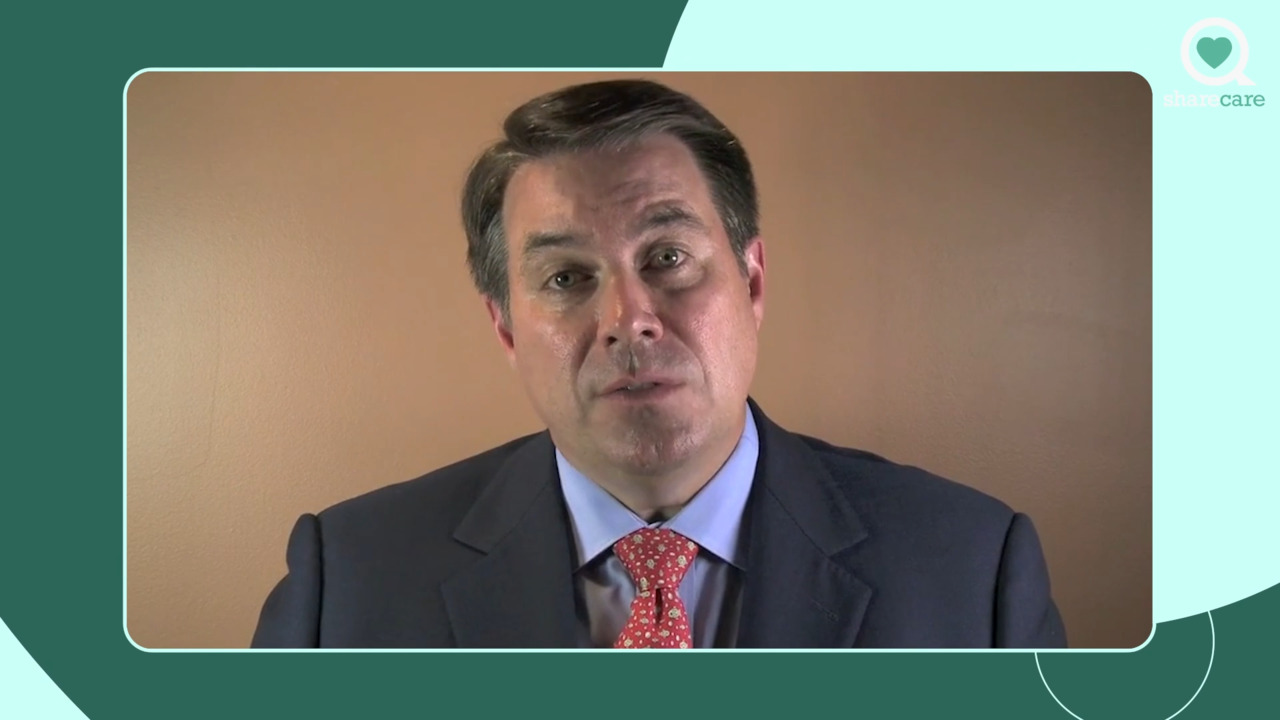
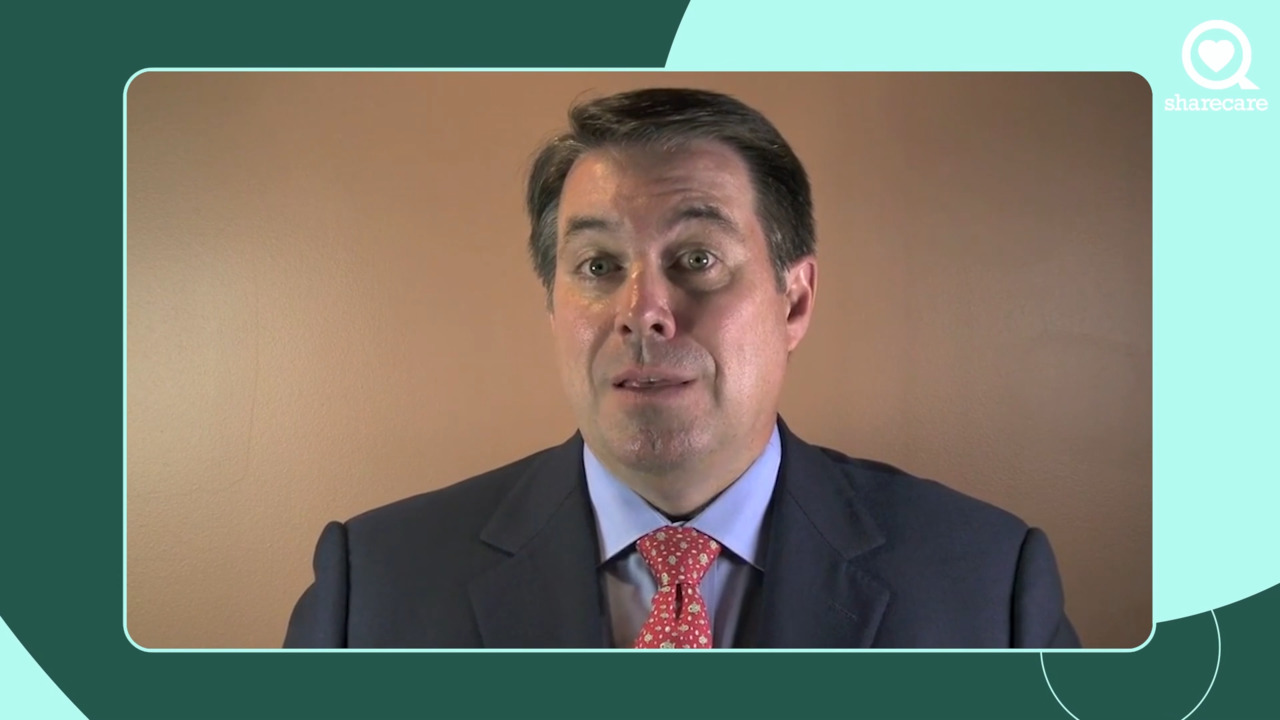
Genetics play a major role when it comes to varicose veins. Although you can't change your family tree, there are easy ways to minimize the risk of these unsightly veins, which vascular surgeon Steve Elias details.

Transcript
The greatest risk of developing vein disease is a hereditary risk. For instance, if one of your parents have varicose veins,
you have about a 33% chance of having varicose vein disease.
Many patients like to be proactive and think, what can I do to prevent my veins from either becoming varicose, or how can I prevent my varicose veins or spider
veins from getting worse? In general, that's a tough answer, because the greatest risk of developing vein disease
is a hereditary risk. For instance, if one of your parents have varicose veins, you have about a 33% chance of having varicose vein disease.
Both parents, you have almost a 95% chance. So while we can't choose our parents, though sometimes we might like to,
we can do other things to prevent some of the other risk factors for vein disease, such as obesity, lack of exercise.
It's also true, multiple pregnancies increase the risk of varicose veins, as do jobs where patients stand all the time because you're
putting more pressure. So while we can't choose our parents, we can choose to minimize some other risk factors involved.
beauty personal care





Browse videos by topic categories
A
B
C
D
E
F
G
H
I
J
K
L
M
N
O
P
Q
R
S
T
U
V
W
X
Y
Z
ALL