Back to
Updated on January 24, 2025
Vasomotor symptoms (VMS) are a collection of symptoms related to menopause. Menopause begins 12 months after a person’s final menstrual period. VMS often begin in perimenopause, the years leading up to menopause where levels of the hormones estrogen and progesterone fluctuate and decline.
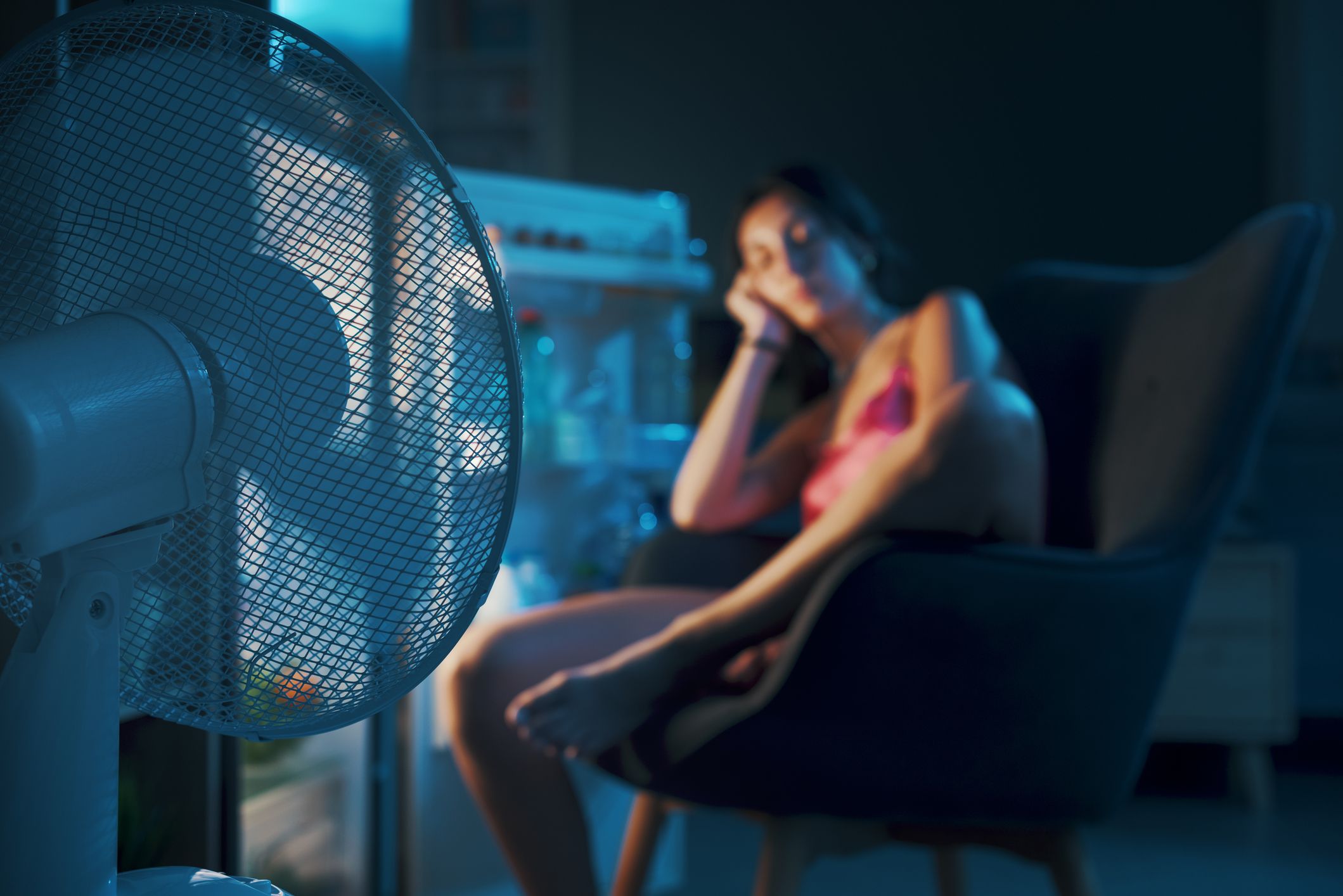
VMS are commonly known as hot flashes and night sweats, episodes where a person will experience a sudden and intense feeling of uncomfortable warmth or heat, usually in the face, neck, and chest. This can be accompanied by blushing skin, sweating, rapid heart rate, anxiety, and chills (which occur once the hot flash subsides). Night sweats are hot flashes that occur during nighttime and disrupt sleep.
Anyone experiencing VMS should speak with a healthcare provider about treatment options for managing these symptoms. VMS can have a negative impact on a person’s quality of life, including work, relationships, sleep, and moods.
Reasons to keep a journal
Keeping a journal can be a valuable tool when managing any health condition or concern, and it can be a useful tool when living with VMS. Here are some potential benefits:
- It can help you understand patterns and triggers for VMS.
- It can help you better understand how symptoms are impacting your life.
- It can help you explain what you are experiencing to your healthcare provider.
- It can help you and your healthcare provider understand what you need from treatment and what treatment approaches can meet these needs.
- It can help you answer your healthcare provider’s questions accurately.
- It can help you track your progress with treatment and determine if a treatment is working well for you.
- It’s a place to write down questions you want to ask your healthcare provider.
Keeping a record of hot flashes and night sweats
Try to document each hot flash and night sweat. Try to be as accurate as possible, but also don’t stress if you can’t remember every single detail every single time. Here are some things to record:
- The date and time when it occurred
- Where you were and what you were doing when it occurred.
- How you would rate the severity of your symptoms. For example, rating on a scale of 1 to 10, with 10 being the most severe.
- Anything you think may have been a potential trigger (such as food, beverages, getting too warm, stress).
- How disruptive this episode was to your normal routine and responsibilities.
- Anything you did to get relief and how well this worked (such as sipping cold water or turning on a portable fan).
Keeping track of other menopause symptoms
VMS are the most common symptoms people experience during menopause, but they are not the only symptoms. A journal can also be used to keep track of other symptoms, including:
- Low moods, negative emotions, anxiety, and changes to self-esteem or how you feel about yourself and your body. As many as 70 percent of women experience these types of symptoms during menopause.
- Sleep, including how many hours of sleep you get each night, difficulties falling asleep or staying asleep, and if you feel rested in the morning.
- Changes to menstrual cycle and abnormal menstrual bleeding.
- Frequent urination, sudden urges to urinate, problems with bladder control, and any pain, discomfort, or irritation when urinating.
- Any pain or discomfort during sex, or any changes in sexual function or feelings toward sex.
Sometimes it can be difficult to relate how you feel to a specific symptom. It is also worthwhile to simply write down a general description of how you are feeling. While menopause is a natural process of aging and VMS are extremely common, every person’s experience is a bit different.