Everything you didn't know about menopause
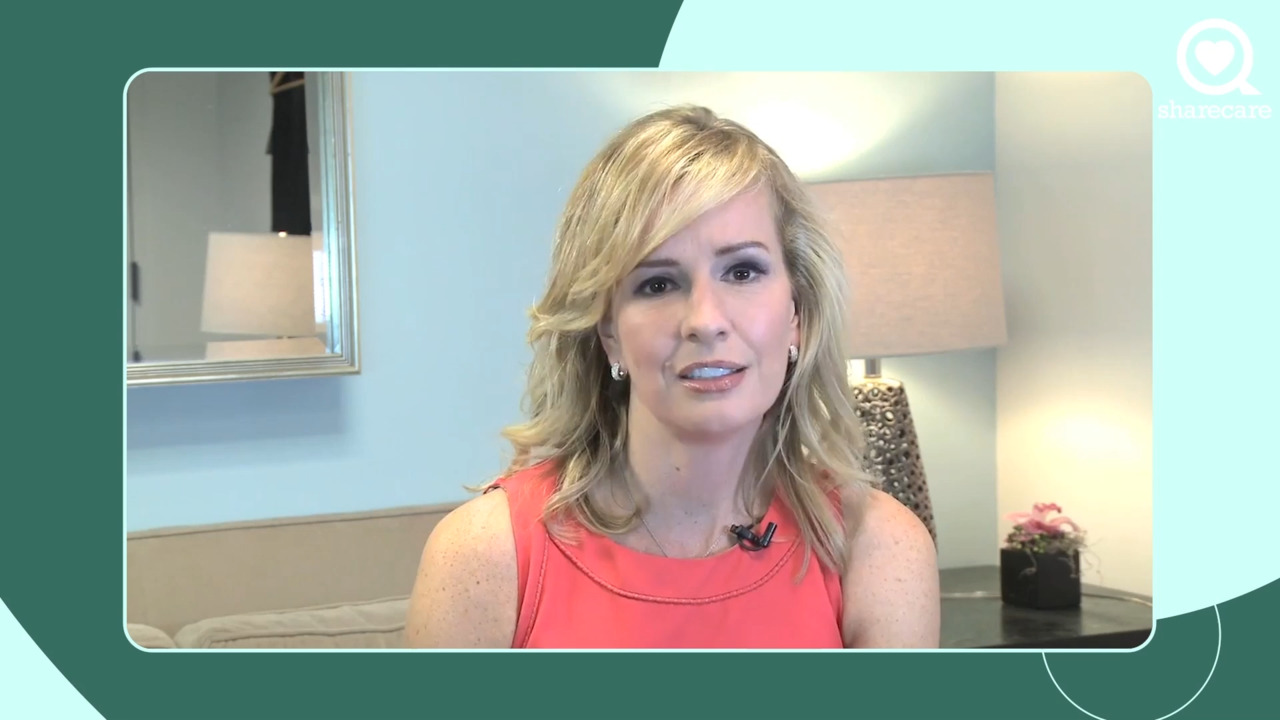
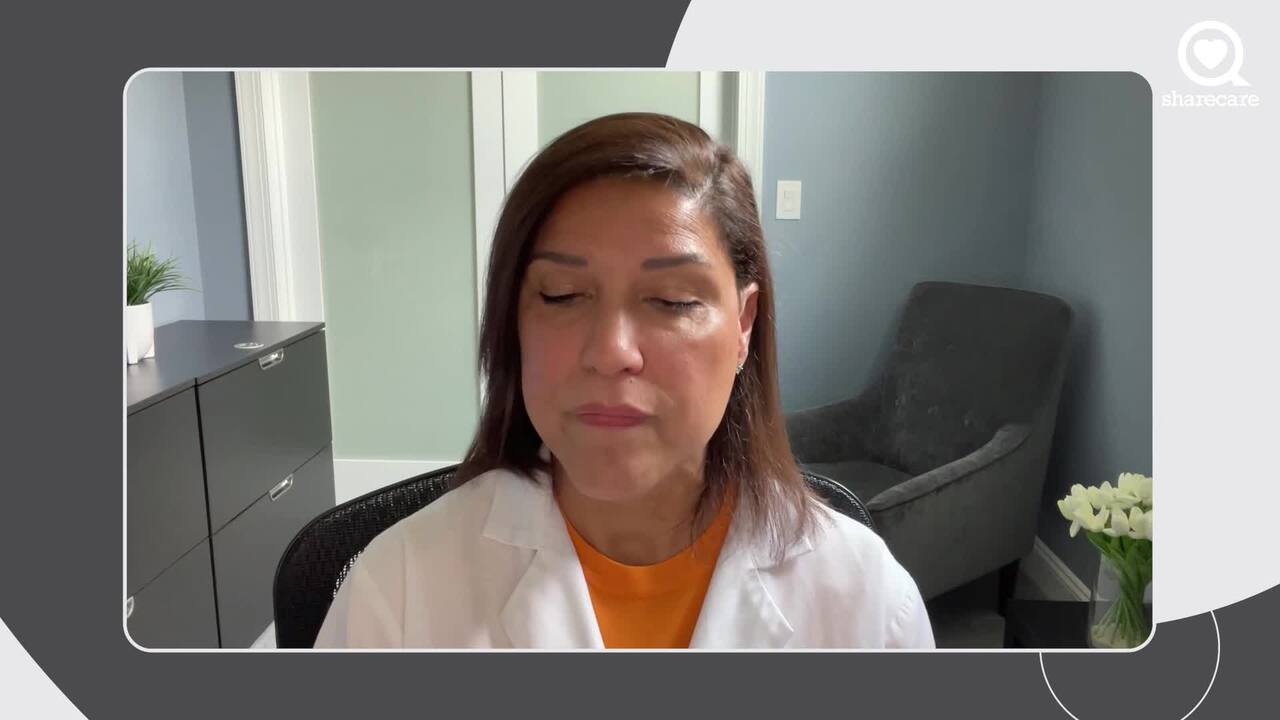
Jolene Brighten, NMD, FABNE, breaks down everything you didn’t know about perimenopause, menopause, and postmenopause. She also addresses some well known myths around menopause.

Transcript
Everybody's like, oh, menopause, hormones are horrible. It's perimenopause where the problems can start. [UPBEAT MUSIC]
Menopause is an acceptable diagnosis at age 45. But before we get to menopause, there's
what's called perimenopause. Roughly 7 to 10 years before the ovaries quit-- that's what menopause is, stopping ovulation--
this is when periods can start to get irregular. Maybe your cycle is getting longer. Maybe it's getting a little bit shorter.
When we get into that late-phase perimenopause, that's the 12-month sprint to your final period.
This is where we definitely can start to notice the brain fog, the hot flashes, the anxiety really starting to amp up.
This is a stage in life where women are more likely to be prescribed some kind of mood-altering medication, antidepressant,
antianxiety medication because our mood is starting to be affected. In this late stage, we got to think about using progesterone therapy because progesterone isn't just
about helping with the periods. It's also about your mood, your anxiety, still feeling connected to people in your family.
It is something that has been underutilized as we now look back retroactively in women's medicine.
You don't have a period for 12 consecutive months. Welcome to menopause. The next day, you're postmenopausal.
One of the big myths that I'm really seeing come up more and more I really think we need to ditch in this society
is the concept that perimenopause should be hormonal hell, and menopause is
a game-over, losing situation. There's many things that you can do to not just mitigate
perimenopausal symptoms but also things that you can do so that you thrive. Even while hormones are declining, we can work to support the body naturally to transition.
And we can always pull in hormone-replacement therapy if needed. But, you know, as I'm talking about this, another big myth is that once you're in menopause,
you're no longer going to be sexual. You're not going to be interested in sex. Like, I really hate that and I won't say to anyone, wherever you are in your journey.
I have heard time and again how much better sex gets in menopause. And a big reason is there's no longer this concern
for an unintended pregnancy. You no longer have to worry about that. And that is something that can release, you know,
what is called a sexual inhibitor or a brake and really help you embrace your sexuality even more.
You know, it can really be a wonderful time in a woman's life that really flies in the face of what society tells us
or what it even shows us. [MUSIC PLAYING]
menopause

Browse videos by topic categories
A
B
C
D
E
F
G
H
I
J
K
L
M
N
O
P
Q
R
S
T
U
V
W
X
Y
Z
ALL