Back to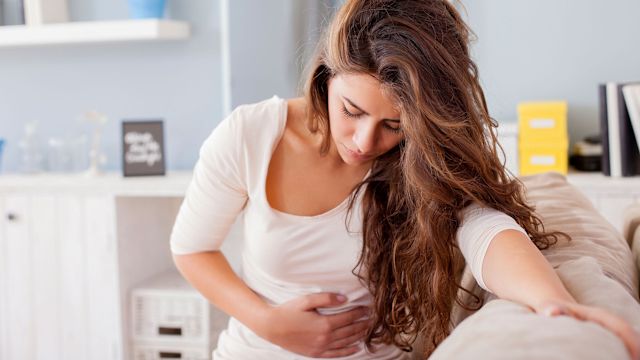
Updated on August 8, 2025
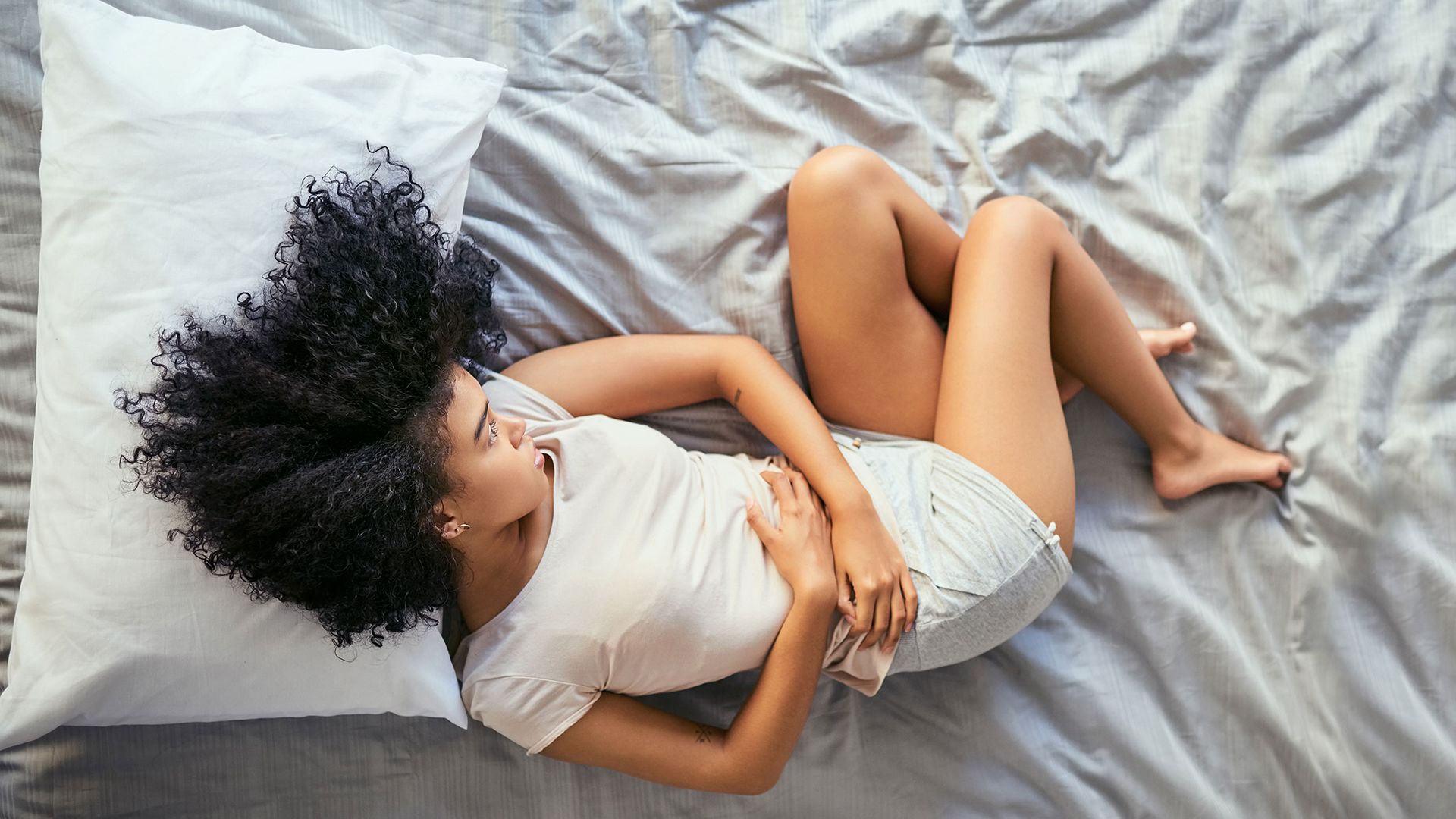
It’s happening again: the powerful cramps, the aching lower back, the heavy menstrual flow. For the next few days, these symptoms may limit how you interact with the world, keeping you from being your best self. But aren’t they just a normal part having your period?
The answer is no. An estimated 190 million women worldwide have endometriosis, according to the World Health Organization. It’s a condition where tissue similar to the lining of the uterus grows outside the uterus, typically on other organs within the pelvic cavity.
Here are five surprisingly painful and heavy truths about endometriosis—plus steps you can take to ease your symptoms.
Severe period pain is not normal
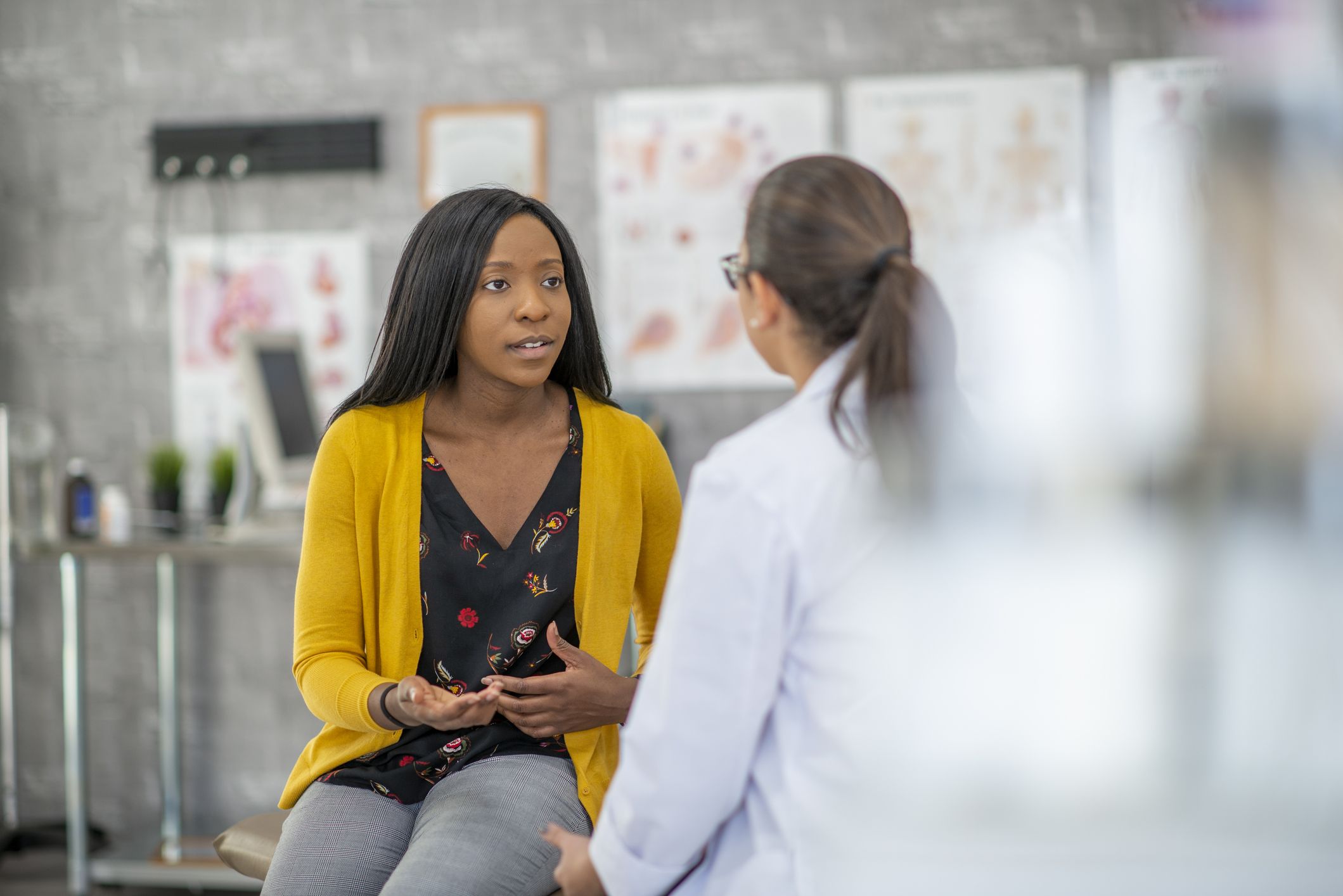
More than half of women experience pain with periods. But pain that interferes with daily life is not normal. If your pain is so severe you find yourself calling in sick to work, missing school, or having problems with day-to-day function, talk with an OBGYN. You may not look forward to your periods, but you shouldn’t have to dread that time of the month.
Minimal endometriosis doesn’t mean minimal pain
There are four stages of endometriosis, and no direct link between stage and pain severity. A person with stage 1 endometriosis may experience severe pain, while a person with stage 4 endometriosis may experience little or none. That’s partly why regular checkups with your OBGYN are so important. Some people with advanced stages of the disorder aren’t even aware they have it.
Pain may affect other body functions or activities
While endometriosis-related pain is more common and intense right before and during periods, it may occur at any time and affect other organs, such as the colon or bladder. If you experience pain or discomfort with bowel movements, or urination during or after sex, talk with an OBGYN. You shouldn’t have pain during bathroom trips or intimate moments with your partner.
Heavy periods could be signs of endometriosis
About 1 in 5 women deal with heavy periods, according to the Centers for Disease Control and Prevention, and many have an underlying condition causing the heavy flow. While you may believe a heavy flow is a normal, it may be that your body is trying to tell you something.
Endometriosis can affect your physical and mental health
From relationships to work to well-being, endometriosis can influence every part of your life. Whether intermittent or chronic, symptoms such as fatigue, bloating, nausea, and pain can make it difficult to power through each day. People with endometriosis are more likely to suffer from depression and anxiety than those without the disease, as well.
But the condition doesn’t have to rule your everyday. Whether you’ve already been diagnosed with endometriosis or are searching for answers, know that you are not alone. And the more you know about it, the better you’re equipped to manage the disease. Talk with your OBGYN to learn more about symptoms, treatments, and with any questions or concerns.