Back to
Updated on August 8, 2025
About 190 million people worldwide are living with endometriosis, according to the World Health Organization. It’s a condition in which tissue similar to the lining of the uterus (also known as endometrial tissue) grows outside the uterus. The result is often severe menstrual cramps, heavy periods, lower back pain, and fatigue.
Endometriosis can affect many aspects of a person’s everyday life, yet many people with the condition don’t realize they have it. In fact, it can take up to 10 years to receive a diagnosis.
Here are some common assumptions and reasons people may not seek—or receive—prompt medical attention for endometriosis, and what can be done to dispel misconceptions.
Reason 1: “This pain is just a normal part of living.”
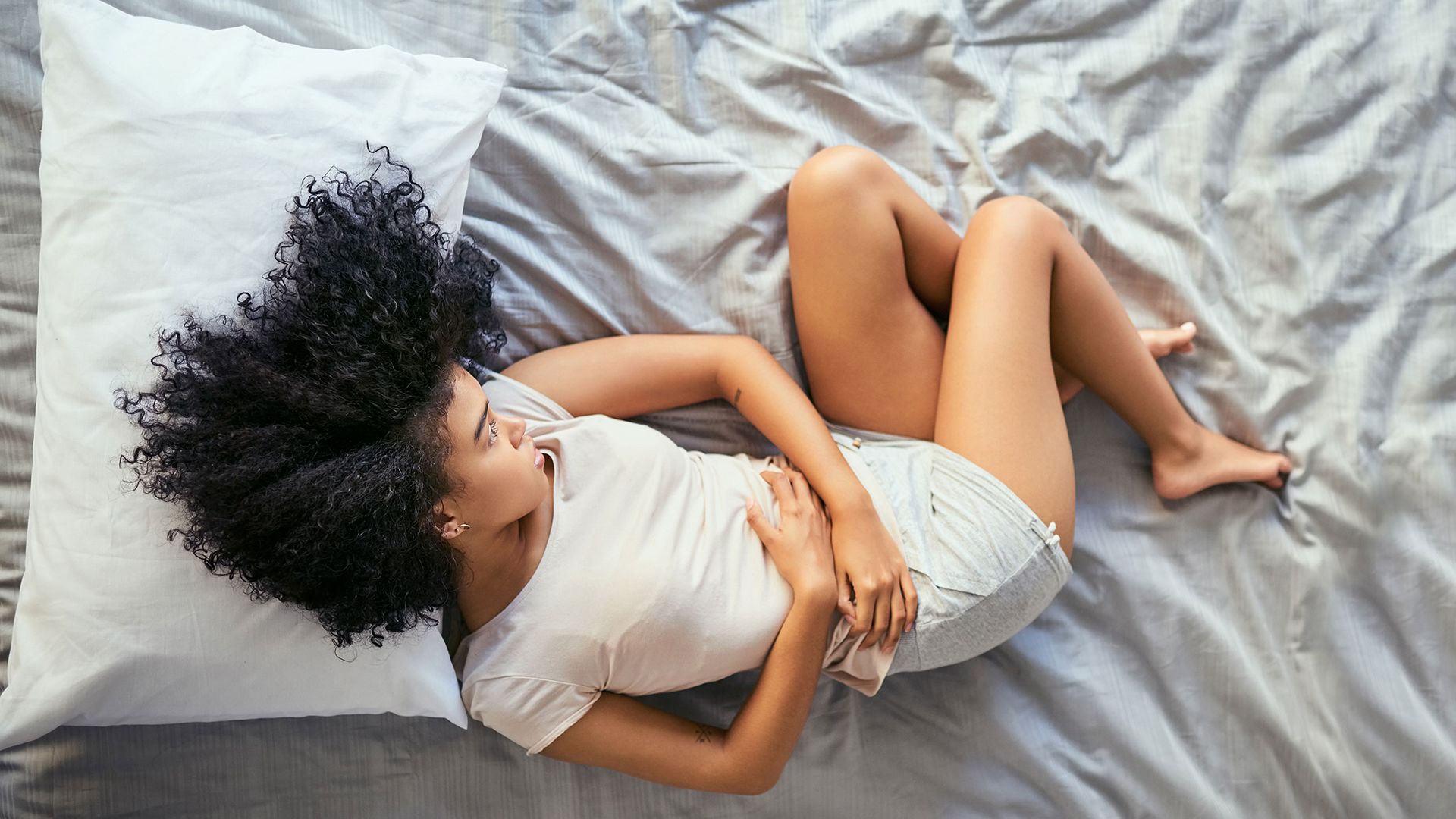
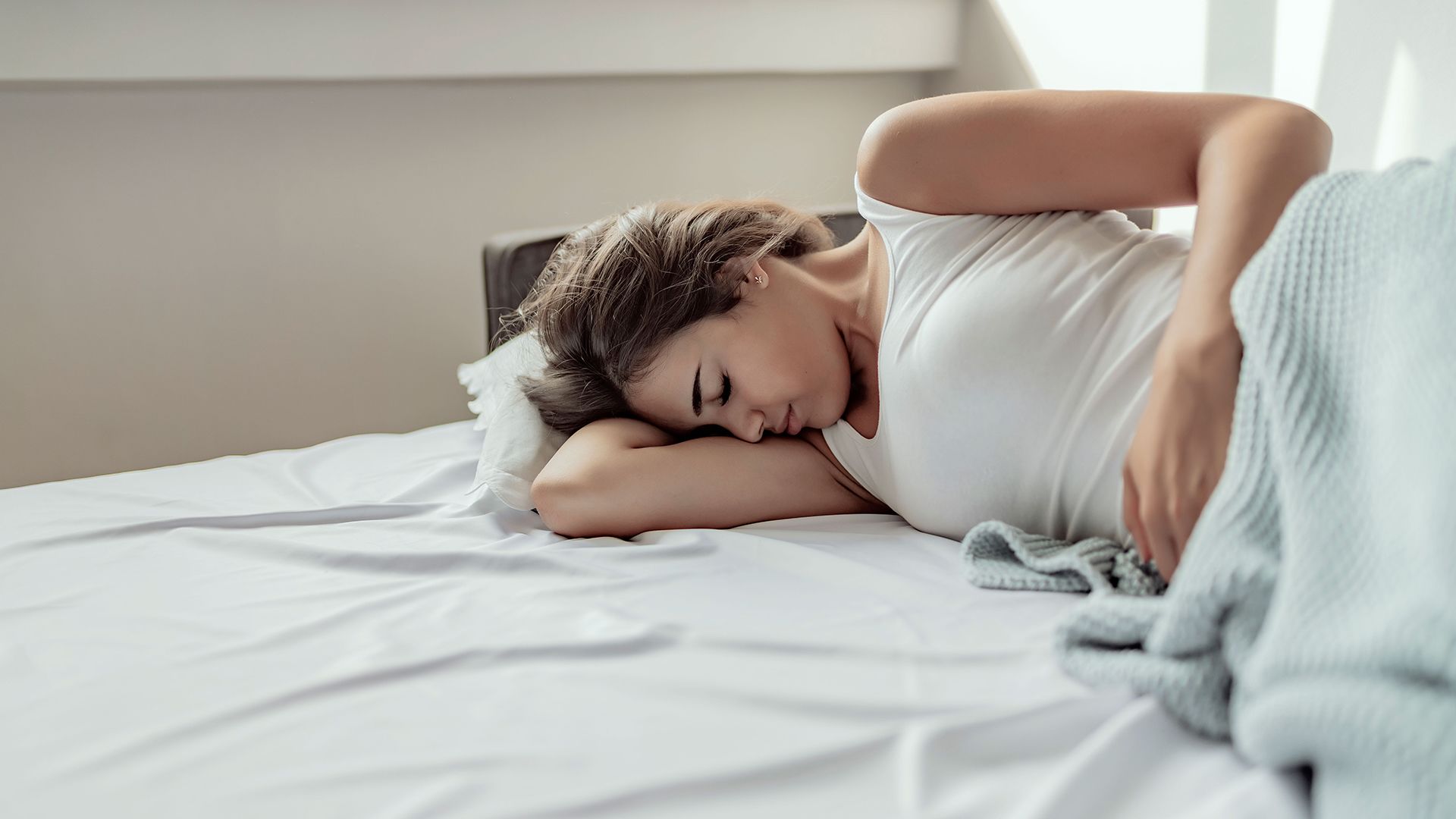
More than 50 percent of women have painful periods, but pain that severely affects daily life is not normal. While most people with endometriosis experience pelvic pain related to the condition right before and during their periods, some can have constant and debilitating pain.
Some people have described endometriosis pain as “the worst pain of their lives” or “more painful than giving birth.” When pain and discomfort begin to affect relationships, career, sense of self, or day-to-day living, it’s time to have a discussion with a healthcare provider (HCP).
Reason 2: “Sometimes, my periods are heavy and abnormal. It happens.”
Heavy menstrual flow may not be cause for alarm. But many women have an underlying condition responsible for their heavy periods. Irregular bleeding and heavy menstruation, even occasional in nature, are common symptoms of endometriosis.
No two people experience endometriosis the same way, so while heavy periods may not be a concern for one, they may indicate abnormalities in another.
Reason 3: “Most of my close female relatives have lived with difficult periods their entire lives.”
The causes and risk factors behind endometriosis are complex. While scientists aren’t exactly sure what causes the disorder, many agree that genetics play an important role in its development. A person who has a close female relative with endometriosis is significantly more likely to have it themselves.
If you are experiencing what could be endometriosis symptoms (such as heavy periods and unbearable menstrual cramps), don’t just assume they are a normal part of life. Seek the help you need.
Reason 4: “It’s fine if sex with my partner is sometimes uncomfortable and painful for me.”
Painful sex is not fine. More than half of people with endometriosis experience uncomfortable and painful sexual intercourse, and many of them choose to avoid sex as a result.
Every person living with endometriosis feels this type of pain differently. It can be deep or superficial and appear during sex or afterwards. Pain and discomfort with sex can impact intimacy with partners and the quality of sexual relationships. If you are experiencing any kind of pain or discomfort with sex, talk with an HCP about it.
Reason 5: “My symptoms aren’t debilitating, so I don’t need to see a healthcare provider.”
Endometriosis has four stages and there is little connection between the stage of endometriosis and severity of symptoms. Minimal endometriosis may cause agonizing period cramps, irregular bleeding, and painful bowel movements. Severe endometriosis may cause few or no symptoms at all.
Pain and other endometriosis symptoms can also mimic those of other medical conditions, including uterine fibroids, pelvic inflammatory disease, ovarian cysts, and irritable bowel syndrome. It’s one reason why diagnosis can take so long, and another reason a person may delay care.
The key is to take any and all unusual symptoms seriously and to seek the care of an HCP who will listen carefully to your concerns and help you develop a care plan to address them. Early diagnosis is important for endometriosis management and treatment, and tapping into a network of medical professionals can set you on the course toward easing your symptoms and living a healthy life.