A shingles diagnosis: one expert weighs in
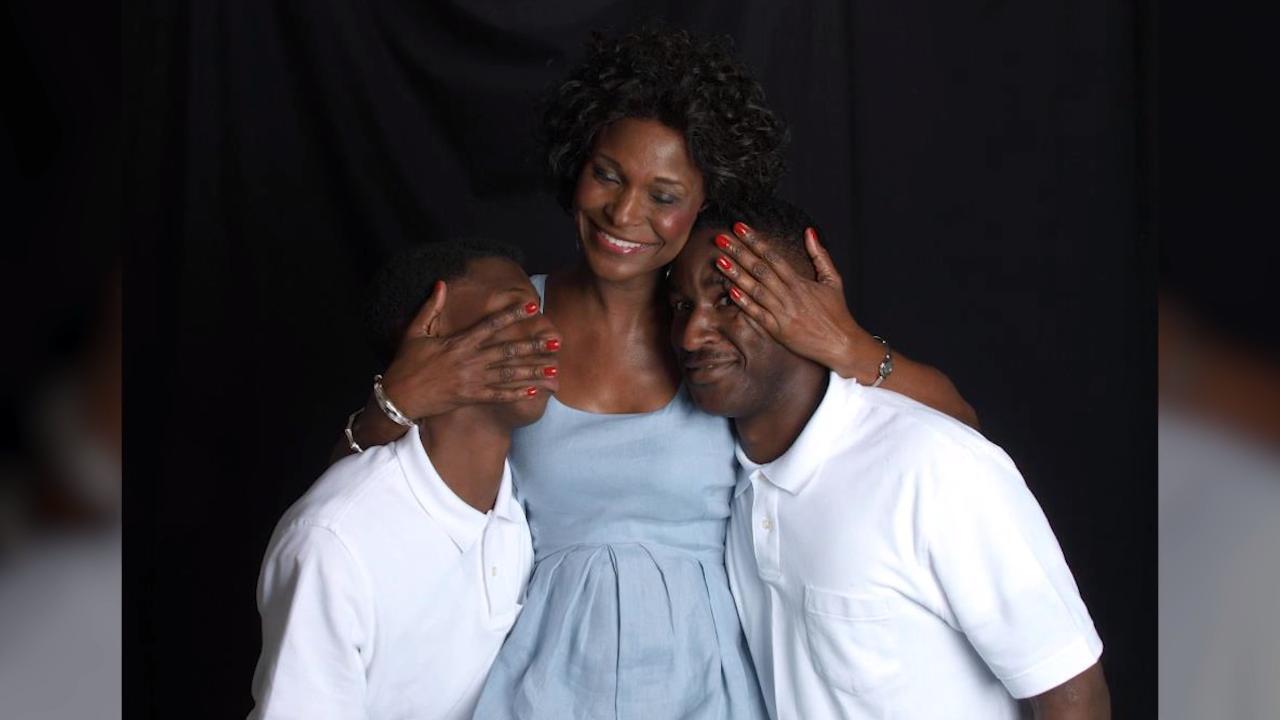
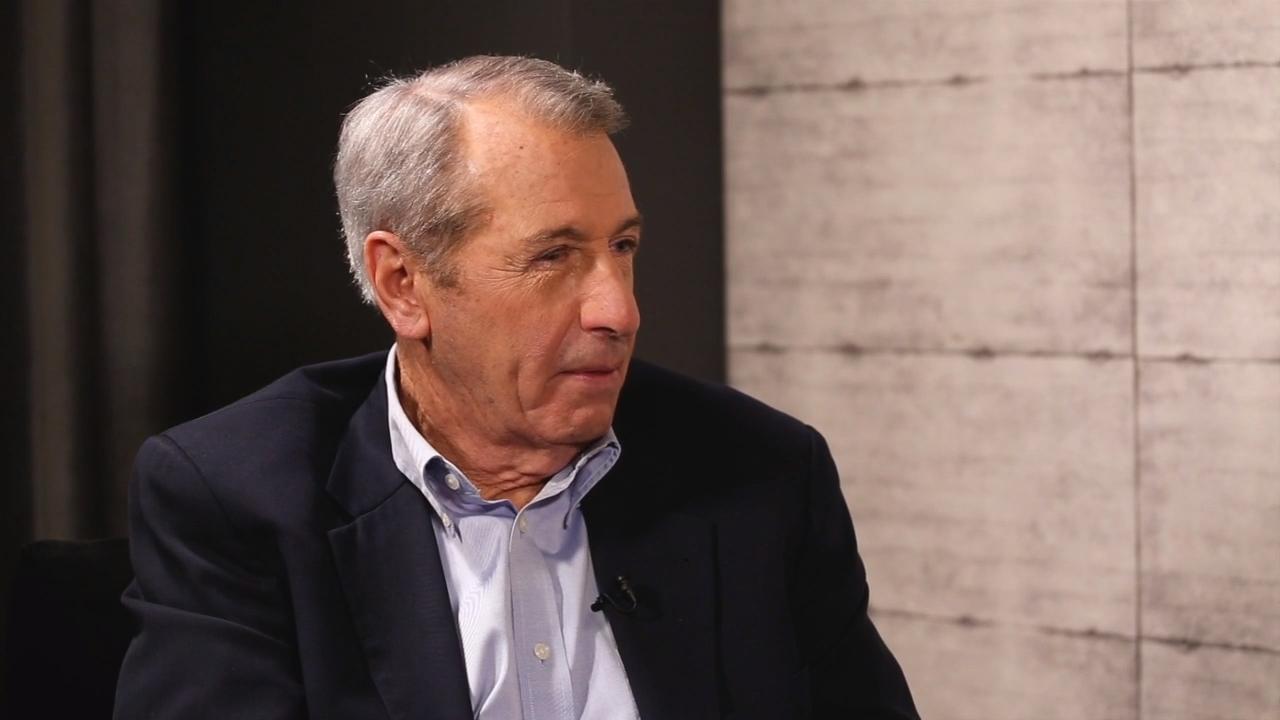
Nethea was frightened when she awoke in the middle of the night with painful blisters on one side of her torso. A call to family medicine doctor Kevin Soden, MD, revealed a case of the shingles. Learn about triggers, treatment and more.

Transcript
[ELECTRONICA MUSIC] Nethea, great to see you again.
So nice that you're here today. Thank you so much for having me. I know that you've had a problem in the past, and you're here today to kind of help educate
people going forward. So tell me a little bit about what happened to you and why you called me one night. I woke up in the middle of the night in excruciating pain,
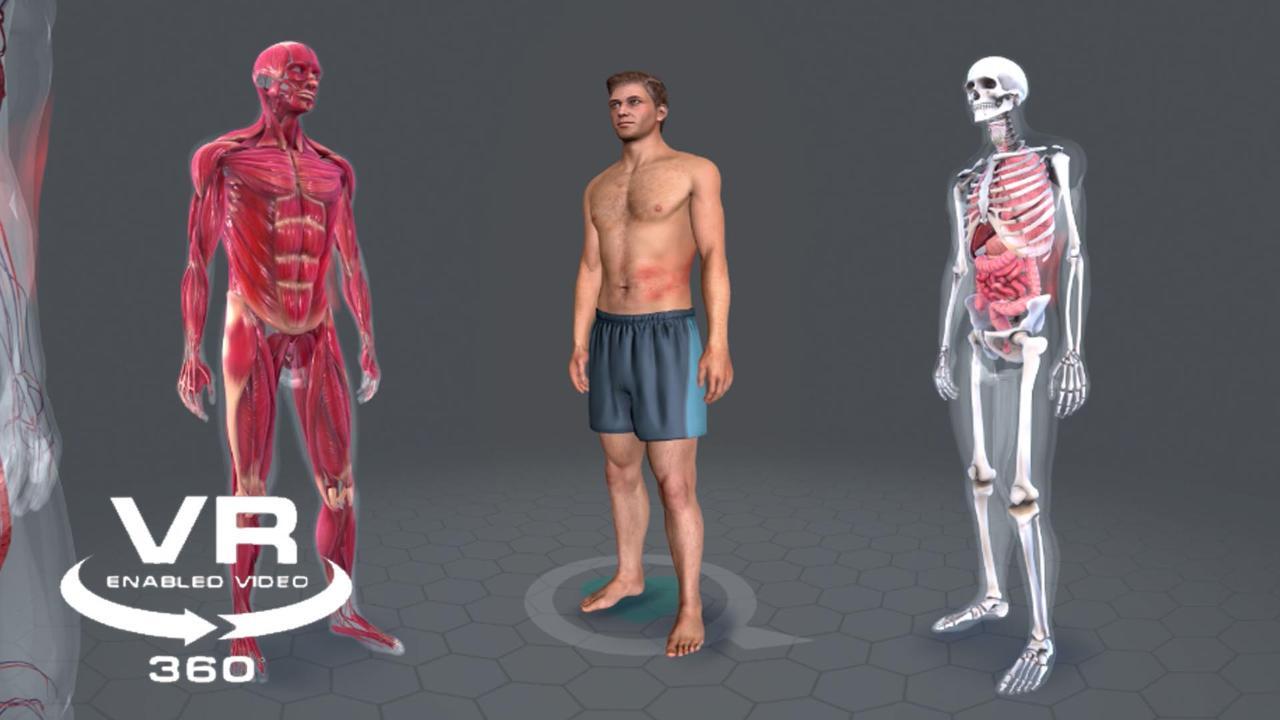
and I noticed I had a stripe of blisters on my torso. And pain just radiated from those blisters across my body.
I was in such pain, I felt like I had been set on fire. That's how debilitating it was. And I was frightened, so I called you
in the middle that night to ask for guidance, because I didn't know if I needed to go to the ER, if I needed to call an ambulance, if I was having a medical emergency.
I kind of knew right away what it was because I've taken care of a lot of people with-- with shingles.
The unique thing about it is that it confines itself to a couple of areas of your skin, most commonly
on your chest area and your torso. Can be on your face, can be on your legs. But it never goes past the midline.
How long did the blisters last? Well, the blisters lasted about three weeks. It took a long time for them to go away. They kind of crusted over, and it took a while for them
to resolve. The pain actually started to subside after about a week on antiviral medication,
and I felt much better. But I was fatigued. I felt run down, and that took-- it took a couple weeks for that to go away.
KEVIN SODEN: Yeah. I wondered if there was something I had done to-- to cause this to manifest, because I thought shingles was
something that happened to people when they were older, and this was shortly after my 40th birthday. I'd been working a new job.
I was under a lot of stress. I'd been traveling a lot, and I wasn't getting enough sleep. And so I was thinking, is getting run down,
does that help bring about shingles? Yep, bingo. You-- you won the lottery. Unfortunately, all the things that you mentioned-- stress,
lack of sleep, the pressure you were under-- all that can cause your immune system to run down,
and this is what triggers this in younger people. Because you are absolutely correct, it is a disease of older people for the most part.
Generally, 50 years old. Mostly, 60s and 70s are very, very common. A million people a year will develop
shingles, which is surprising when I tell people that. And one in three people in the United States will develop it over their lifetime.
What about the vaccine? Is-- does the vaccine makes sense for someone like me who's already had shingles, or is it just for people who haven't had it yet?
Yes, you still should get the vaccine. There is a brand new vaccine that seems to work much, much better than the old vaccine in terms
of preventing things. So even though you've had it, you still can get shingles again. And so this vaccine will keep you from getting it again,
or at least mitigate the symptoms. This should really make a difference for people. And-- and even I've had the old vaccine.
But the CDC still recommends getting the new vaccine because it will help prevent future cases. The old vaccine actually wears down over time.
So getting the new vaccine will kind of get your immune system back up again and keep you from getting it in the future. Very helpful.
Well, you provided wonderful information today, and thank you for being here and sharing your story. Thank you so much for having me. This has been a real pleasure.
shingles





Browse videos by topic categories
A
B
C
D
E
F
G
H
I
J
K
L
M
N
O
P
Q
R
S
T
U
V
W
X
Y
Z
ALL