Back to
Updated on August 15, 2025
In the treatment of inflammatory disorders, “biologics” or “biologic therapies” are a type of disease-modifying antirheumatic drug (DMARD). DMARDs are medications that act on the immune system to reduce inflammation.
The term “biologic” refers to how these drugs are manufactured, a process that uses living cells. For comparison, DMARDs produced using chemical compounds are referred to as “conventional,” “traditional,” or “nonbiologic” DMARDs.
Another distinction between biologic and conventional DMARDs is how these drugs work on the immune system. Conventional DMARDs work by suppressing the entire immune system. Biologics work by targeting specific proteins or receptors in the immune system to block specific inflammatory pathways.
Biologics are one potential treatment option for atopic dermatitis. Below is a closer look at how these medications work.
Atopic dermatitis and the immune system
To understand how biologics work to treat atopic dermatitis, it helps to understand what’s happening in the body and the immune system when a person has atopic dermatitis.
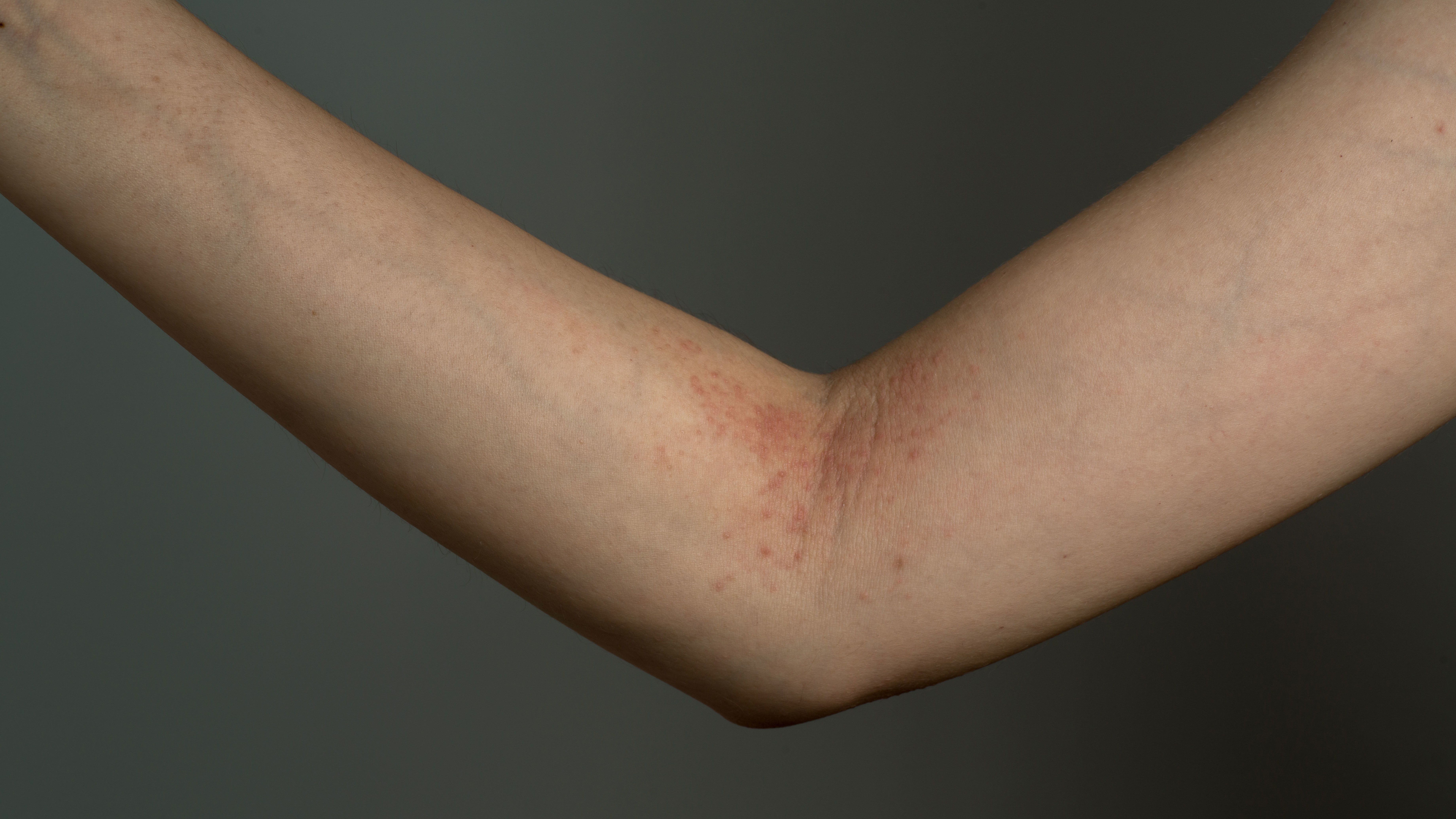
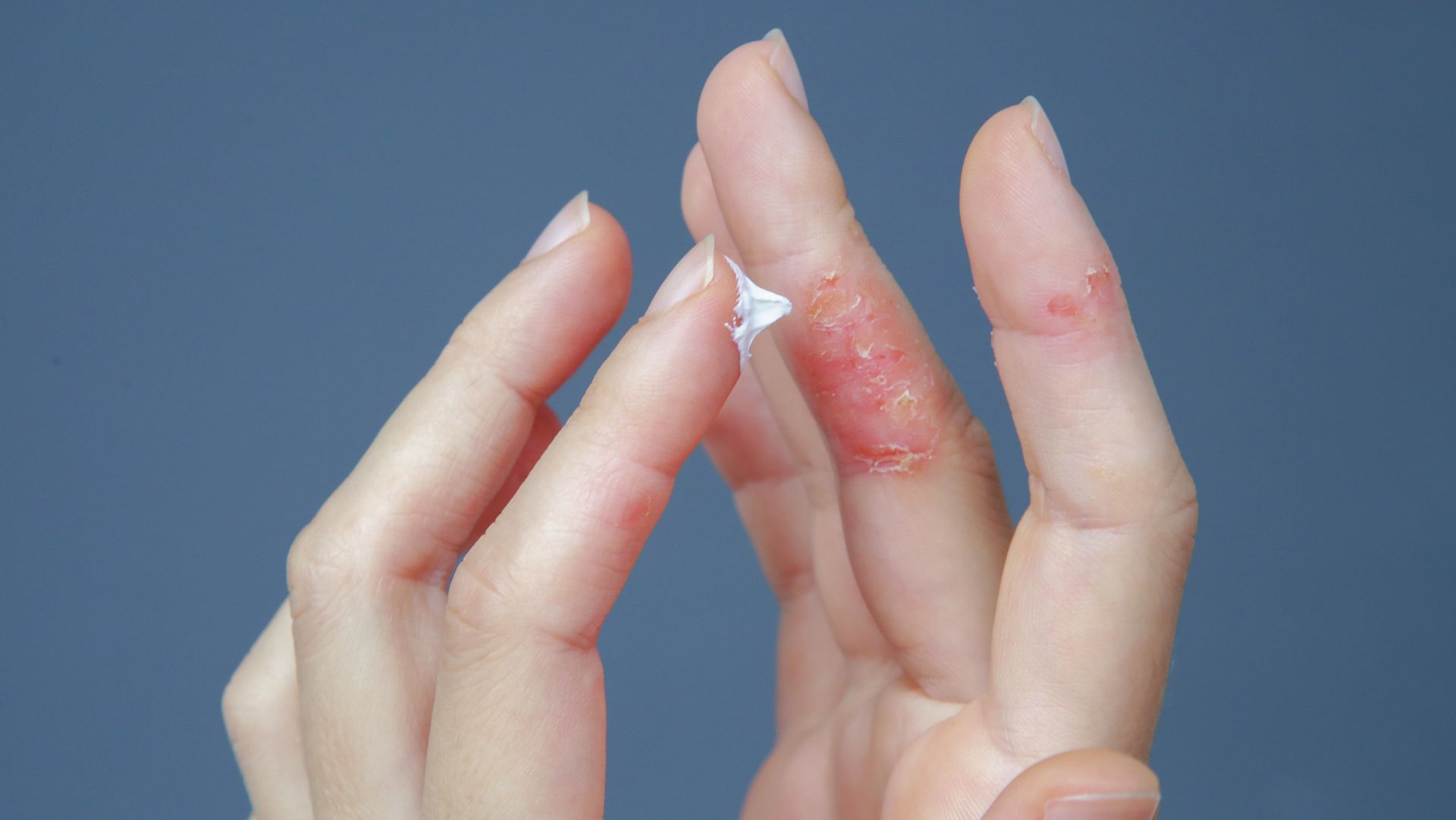
Atopic dermatitis is the most common type of eczema, known for causing intense itch, dry skin, rash, and other skin symptoms. While the exact causes of the disorder are unknown, problems with the immune system are known to play a significant role. Genetics and environmental risk factors also play a role in the development of the disorder.
Cytokines
Cytokines are a group of signaling proteins that are critical to the normal functioning of the immune system, including regulating inflammation. There are many different cytokines with different functions. Some promote inflammation, attaching to and activating immune cells, causing those cells to release proinflammatory chemicals and other cytokines.
Other cytokines are anti-inflammatory and cause immune cells to become less active. Different types of cytokines work together to regulate inflammation and other immune system activity. Keep in mind that these are simplified explanations.
Inflammation
While the exact causes of atopic dermatitis are not fully understood, two main mechanisms are associated with the disorder:
- One is dysfunction of the skin barrier (the outermost layer of the skin), which reduces the skin’s ability to retain water, and to keep out allergens and irritants.
- Overactivation of the immune system, which causes a release of excess amounts of pro-inflammatory cytokines. This happens in response to allergens and irritants that make their way through the weakened skin barrier. These cytokines activate nerve fibers, causing itch (which leads to scratching, which further activates nerve fibers, which worsens itch and damages the skin).
While the primary symptoms of atopic dermatitis affect the skin, the disorder has been found to cause inflammation in other areas of the body. Atopic dermatitis—especially severe atopic dermatitis—has been associated with a higher risk of blood clots, cardiovascular disease, diabetes, and other health conditions associated with chronic inflammation. However, more research is needed to understand this risk.
Atopic dermatitis and biologic therapies
In simple terms, biologic therapies work by targeting or interfering with specific cytokines or the receptors for specific cytokines. This interrupts the inflammatory process associated with these cytokines and reduces inflammation.
Moderate-to-severe
Biologics are typically used to treat moderate-to-severe atopic dermatitis that has not responded to other treatments. The severity of atopic dermatitis is determined by how much skin is affected, the areas of the body that are affected, the intensity of itch and other symptoms, and also how much of an impact symptoms are having on a person’s quality of life and functioning. It’s also important to consider any coexisting conditions. Allergies, asthma, autoimmune disorders, and other inflammatory disorders often occur alongside atopic dermatitis, and will factor into a treatment plan.
Side effects
While biologics do not suppress the entire immune system (like conventional DMARDs), these drugs do affect how the immune system works, and they do carry a risk of side effects, including an increased risk of serious infections, potential reactivation of previous chronic infections, anemia (low blood cell counts), elevated liver enzymes, and elevated cholesterol levels.
Before starting treatment with a biologic, you should talk to your healthcare provider and discuss your medical history, coexisting conditions, and any medications you are taking, including prescriptions, over-the-counter medicines, and supplements.
Other considerations
Biologics are typically administered with subcutaneous injections, injections given into the layer of tissue under the skin. These injections can be self-administered after training from a healthcare provider, but a person’s ability to administer injections is something else that will need to be considered when deciding on treatment.
Another factor to consider is cost and insurance coverage. Biologic therapies are often more expensive than other treatment options.
The severity of atopic dermatitis, treatment options, drug administration, and treatment cost are all topics that should be discussed with a healthcare provider.