Loneliness: dealing with the hardest time
Loneliness can affect the entire body, impacting cognitive, heart, and vascular health. Learn how to cope with circumstances that create loneliness.

Transcript
Get this-- some people are predisposed to loneliness. [MUSIC PLAYING]
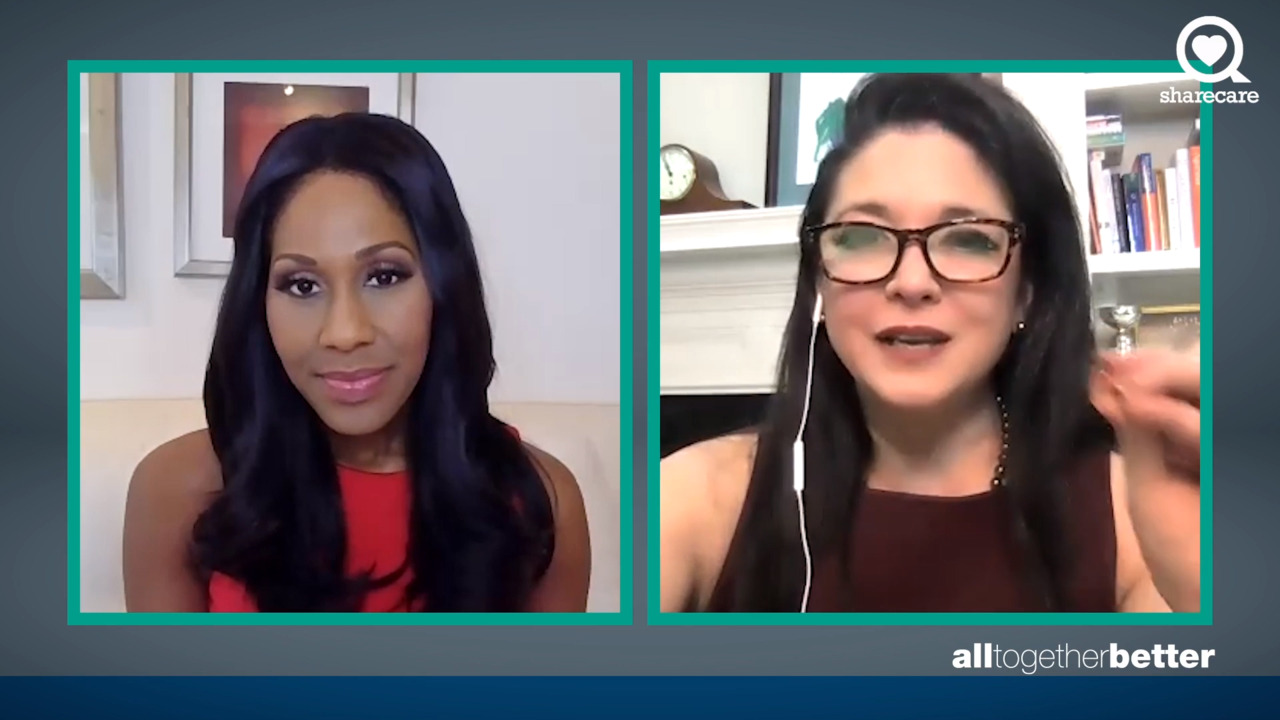
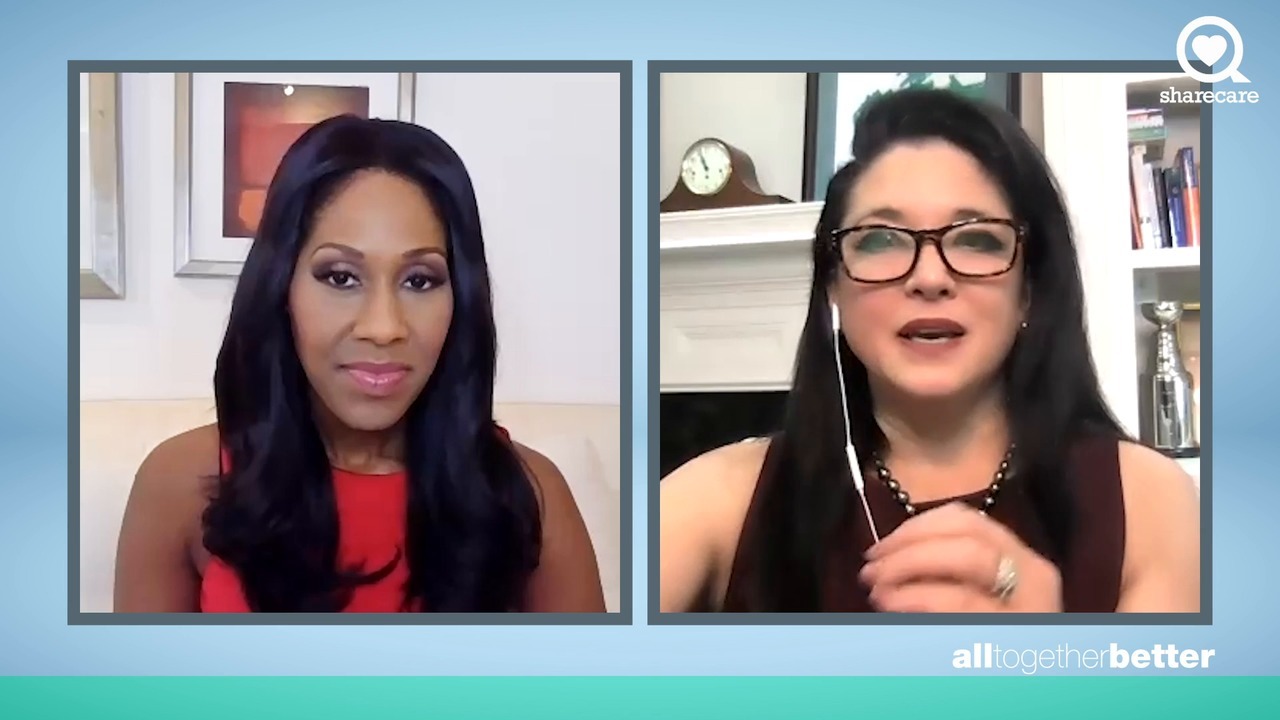
I'm Dr. Sue Varma. I am a board-certified psychiatrist. I am a clinical assistant professor of psychiatry at NYU.
I am a couples counselor, cognitive behavioral therapist, and a distinguished fellow of the American Psychiatric Association.
[SWOOSH] Loneliness impacts our body, literally, from head to toe. Loneliness can increase your risk for cognitive decline.
It can impact your heart health. It impacts your blood vessels and vascular health. And it overall increases inflammation
in the entire body. And get this-- when you increase inflammation in the entire body, guess what? You affect the entire body.
It also increases our stress hormone, cortisol, which further exacerbates everything I just mentioned.
When you have increased cortisol in the body, your body responds with fight or flight, your heart is racing,
you're sweating, and a person becomes more in tune to perceptions of threat. And that's why loneliness is this self-fulfilling prophecy,
in a way, is that we go in thinking about danger. When you're thinking about danger, and you're looking for it, you tend to find it.
Or at least your perception hones in on what you think is threatening. [SWOOSH] Which circumstances put us more at risk for loneliness?
Losing a loved one, having a breakup, having a medical illness-- all of this puts us more at risk for loneliness.
So if you have been married to somebody for a long time, for example, you may be more at risk.
We also see that aging populations are at risk for loneliness, not only because they might have a loss of a spouse, but because their children have
moved to different parts of the country or the world, because they might also have medical injuries,
or illnesses that limit their mobility. [SWOOSH] We also know that certain populations might be more vulnerable.
So immigrant groups are more at risk for loneliness, because they may not be as integrated into their community.
So if an immigrant group has other family in the area, which is often the case where a lot of immigrants might settle in neighborhoods where they have friends
and family from the same background, and a lot of their socialization and network takes place within that community
sometimes we do see that immigrant groups become very integrated, and they may reach out and branch out and have sort of what we call bridges
to other communities. And I think that that can be very helpful. In general, the more variety and diversity
of our social connection-- and obviously the quality matters, it's not just the quantity, but all of this
can buffer that vulnerability. We also see that young adults are more at risk for loneliness, especially
if they're very plugged in. Which, hello, I don't know which young adult isn't super plugged in to technology these days. And also, the LGBTQIA+ community often feels invisible.
At least, a lot of the patients that I talk with will say, I don't feel connected, I don't feel represented. And I do think that society is making a very teeny effort.
And we still have a very long ways to go in having more representation, and having more diversity, when we're watching TV or movies.
I have a lot of patients. The one I'm thinking about-- and I want to give an example of a positive example-- where he came out to his parents when he was 16 or 17,
and they were very accepting, and they were saying, like, I would love to meet anybody that you're dating, or feel free to bring somebody home.
And I feel like this was so key because this was everything to him. His parents were everything to him but so is leading an authentic life.
And I think that this is a story that could easily go both ways. When you have parents, or a larger group,
or a family that doesn't understand you, that doesn't see you, it can feel very invalidating.
And I've also had patients who are gay and their parents did not accept them. And they ended up moving away from home
and not talking to their families because their families of origin couldn't wrap their head around it. And that is so unfortunate.
We do see that estrangement, which is people being disconnected or cut off from their families, is something that's on the rise, in part because families really
have difficulty accepting somebody for who they are. So all of this makes us more at risk for loneliness--
mental health behavior









Browse videos by topic categories
A
B
C
D
E
F
G
H
I
J
K
L
M
N
O
P
Q
R
S
T
U
V
W
X
Y
Z
ALL