What have biomedical sensors taught you about patients?
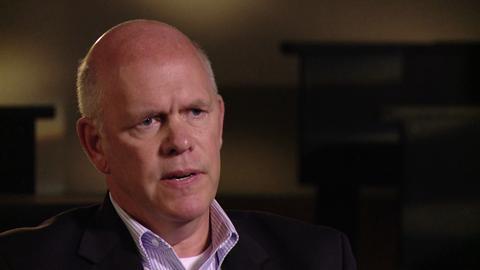
Biomedical sensors that help track patient health have taught us a lot about biological milestones, but they've also taught Lionel Tarassenko, PhD, professor of electrical engineering at University of Oxford, a lot about patient psychology.

Transcript
It was a reminder sitting there on the table in their dining room that they had this chronic disease for the rest of their lives.
And also, when their friends came around to play bridge with them, it advertised the fact to all of their friends that they had this chronic illness.
Probably, what I've learned most about in the last 10 years through the wireless health or mHealth work that I've been involved in is actually patient psychology.
Now, one of the things that we've learned, and this wasn't my research, I was just on an advisory board on a big telehealth project in the UK,
where a well known manufacturer of telehealth technology gave patients a box to manage their, in this case,
COPD in their homes. And the patients absolutely hated, a lot of them did, having this box, for two reasons.
It was a reminder sitting there on the table in their dining room that they had this chronic disease for the rest of their lives.
And also, when their friends came around to play bridge with them, it advertised the fact to all of their friends that they had this chronic illness.
So they didn't want to use the box. The box literally sometimes ended being thrown out of the window. So what we've done instead is we gave
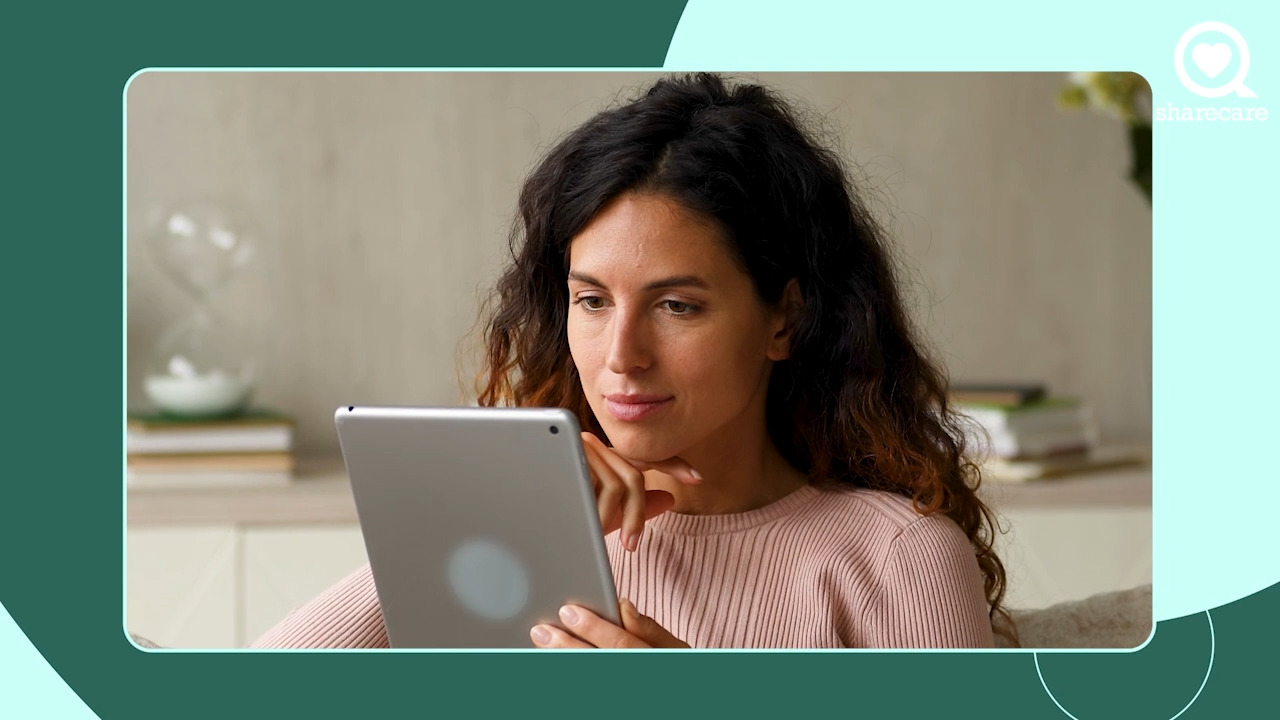
these elderly folk, et cetera, we give them an iPad. And we say, look, you can look at your grandkids' pictures. You can do all sorts of things.
With this, we make it very simple to use, and it's a health care app on it. And they're happy to do that because they're using the same technology as their children,
as their grandkids. It makes them feel good. It's not just a box that they've been given because they're elderly and they've got this disease.
That, they just do not want, but something where they can do all sorts of things that are totally right for them in terms
of, as I say, looking at pictures, but also spending 30 seconds, 1 minute doing this patient diary, this one measurement.
That kind of works, because they actually like using that technology. And a lot of them said to us, why have you not
health care


Browse videos by topic categories
A
B
C
D
E
F
G
H
I
J
K
L
M
N
O
P
Q
R
S
T
U
V
W
X
Y
Z
ALL