Advertisement

7 ways to spot unwanted charges on your credit card

Spot honest mistakes—and signs of credit card fraud—with these easy tips.

An Image
1 / 8

We talk a lot about monitoring your spending for your wallet’s sake—but it’s a security thing, too. Sometimes, errors happen by accident: the store clerk entered the wrong amount before swiping your card, for example. Other times, it’s flat out fraud by a thief who has gotten their hands on your credit card number. No matter how or why it happens, you-know-what does happen—so here are seven ways you can spot the charge and report it right away before it becomes a bigger headache.

Nicole Lapin is an Accredited Investment Fiduciary and personal finance expert appearing on the TODAY show and MSNBC, among others. She is the author of Rich Bitch: A Simple 12-Step Plan for Getting Your Financial Life Together. 

This content first appeared on Nicolelapin.com.

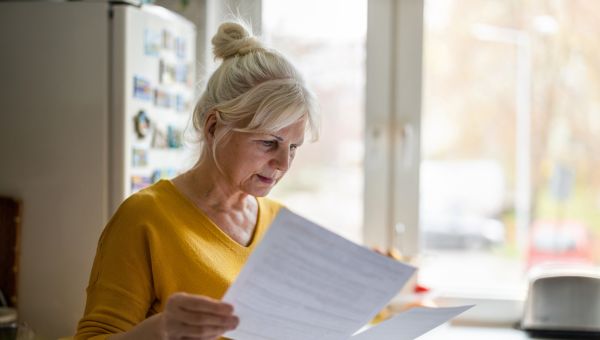
mature woman looking carefully at bills
2 / 8
Be a hawk

While it’s wise to check your transactions periodically, it’s impractical to do it constantly and still lead a normal productive life. So set a schedule to check your statements. Say it’s at a certain time every week: send a calendar invite to yourself. Keep a close eye on your statements. Work with your partner. If you see anything out of the ordinary, call your credit card company right away.

woman calling credit card company
3 / 8
Be proactive when traveling

Before you jump on a plane or hit the road, call your credit card company to notify them of your travels and avoid any red flags. Calling in advance avoids the risk of cancellation as well.

An Image
4 / 8
Use your bank's tools

Use your bank’s or other personal finance app to monitor your statements and check for duplicate charges or mistakes on the go.

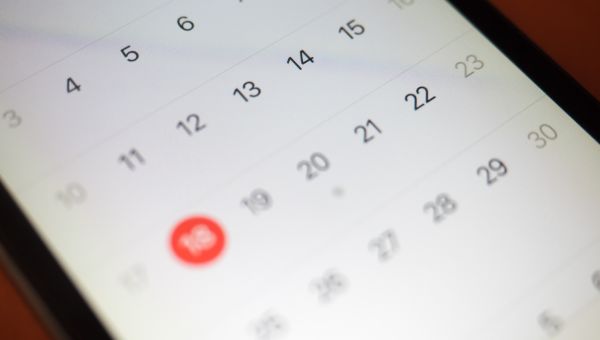
phone calendar
5 / 8
Watch your subscriptions

It’s easy to sign up for a free trial and forget to cancel, ending up with recurring charges for subscription services. Make a note to yourself by marking it in your calendar when the free trial period for the app or magazine is up so that you aren’t hit with surprise charges when the real subscription kicks in. And I get that it’s all “hello, Captain Obvious!” but read the fine print so you know exactly what you’re signing up for.

An Image
6 / 8
Don't get duped

There are a lot of sketchy websites out there, so if something looks weird, check on it. The Better Business Bureau has easily accessible reports on almost half a million companies. Don’t get trapped as a member on a site that is untrustworthy and end up never getting anyone on the phone to dispute the charges.

An Image
7 / 8
Don’t be a debit devotee

Yes, there is a time and place for debit cards. But credit cards offer much more consumer protection. If you’re shopping online or buying something you have doubts about, always use a credit card!

An Image
8 / 8
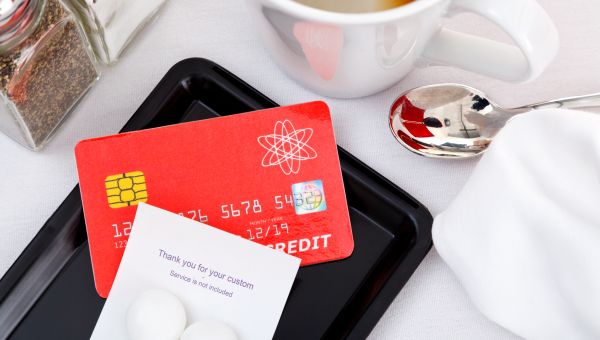
Watch your tips

It doesn’t happen often, but sometimes waiters and restaurants unwillingly (or, sadly, willingly) mess up the charge on your bill. Watch your statements to make sure they have charged you the right amount, including the tip you actually left. A few extra dollars here and there can really add up.

More On

Patient perspectives: healthcare and the importance of communication

video

Patient perspectives: healthcare and the importance of communication
Delve into the experiences and perspectives of patients, highlighting the crucial role of communication in healthcare.
How to protect yourself from medical records glitches

article

How to protect yourself from medical records glitches
Technical problems may be more common than you think. Learn ways to stay safe.
9 healthy hacks to save money

slideshow

9 healthy hacks to save money
Spend less and improve your health with these thrifty hacks. 
What are your thoughts on patients only having 7-12 minutes with their doctor?

video

What are your thoughts on patients only having 7-12 minutes with their doctor?
The short time that a doctor gets to interact with a patient is a failing of the system, says HealthMaker Philip Hagen, MD. In this video he talks abo...
What is a data donor?

video

What is a data donor?
A data donor —like an organ donor—shares their medical data and history with other patients to improve overall care. In this video, HealthMaker and in...