Changing healthcare to treat the whole person
Health professionals are taking a closer look at how to treat their patients.

Transcript
ULKA AGARWAL (VOICEOVER): Traditionally, when we think about Western medicine, the way Western traditional allopathic physicians have been trained, it's treating the illness
and not really focusing on preventing but rather now that the illness is there, how do we treat it. If you injure yourself, you're in an accident,
and you break a bone, you want to be treated in a Western hospital. That's where we're experts. Where we're not is treating the body as a whole,
and that's where the idea of preventive medicine comes in. [MUSIC PLAYING]
We need to educate the public. We need to educate each other and patients on proper nutrition.
So that means focusing on a plant-based diet, focusing on fruits and vegetables, whole grains, beans, legumes, and staying away from the fats
and a lot of the animal fats. 2/3 of the population overweight or obese in this country. Diabetes, over 25 million people in this country with diabetes.
And we're spending billions of in health care developing medications, treatments, hospital visits.
And where has it gotten us? We're in the worst health that we've ever been in. And so I think this is really what's spoken to the health professionals and the health
field, in this country and all over the world, that we need to start elsewhere. We need to start at the root of the problem. Integrative medicine is the combination
of this traditional allopathic Western medicine using medications and the traditional hospital and clinic visits
and combining that in a very complementary way with some of the old styles of medicine, like, ayurvedic medicine that
was developed thousands of years ago in India, or traditional Chinese medicine using herbs and other kind of alternative ways
of treating illnesses and combining these two types of treatments, so using conventional medicine
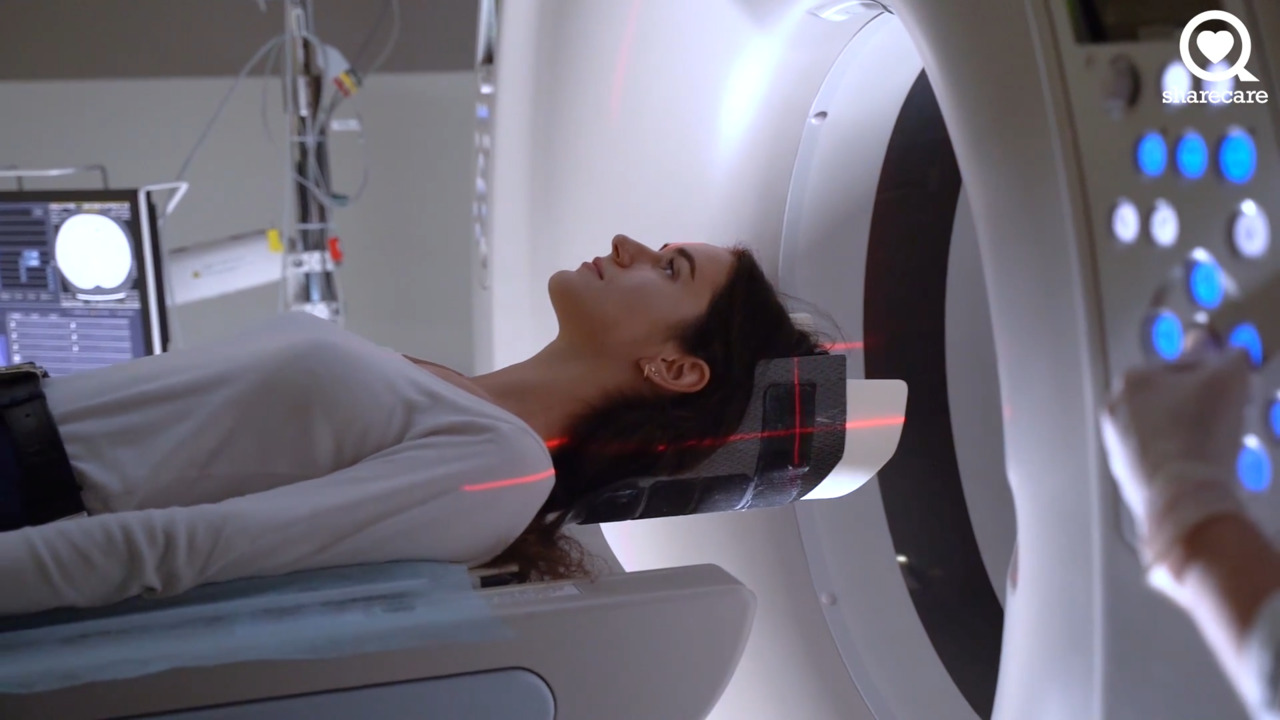
and complementing that with alternative types of treatments. So I think there's certainly a place for technology. Sometimes an MRI or a CT scan can save someone's life.
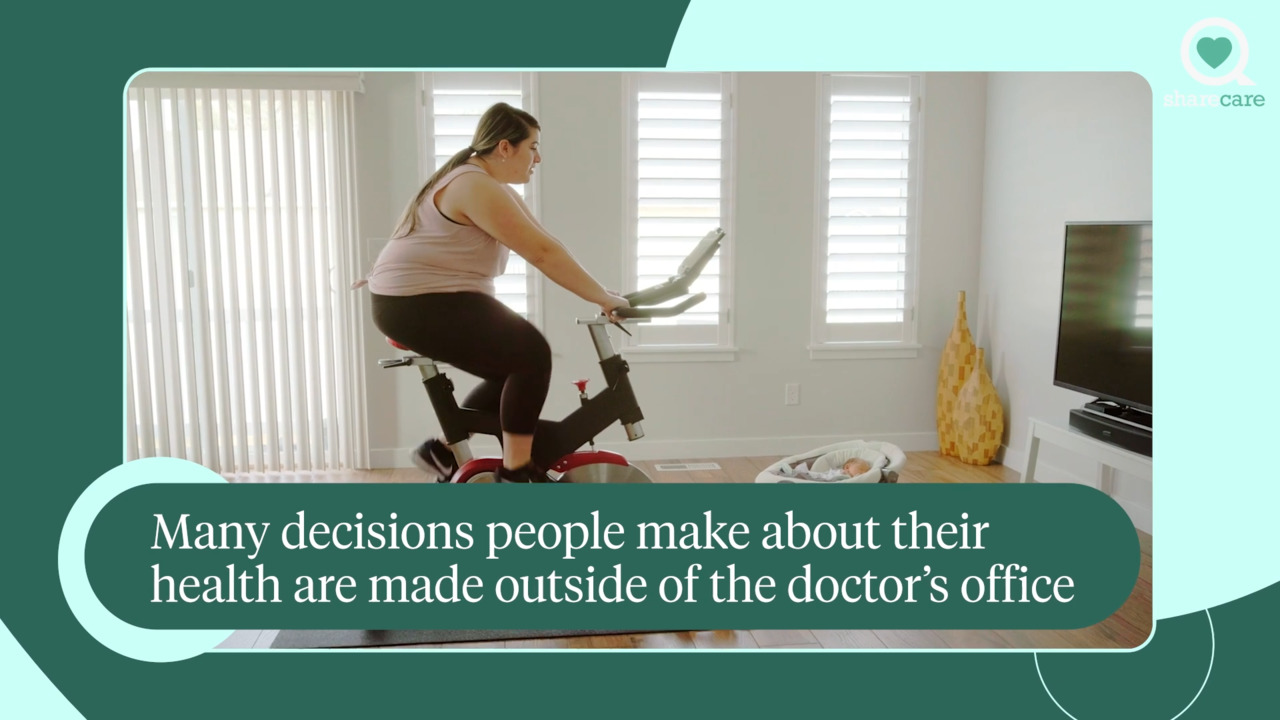
And I think definitely at that it has a place for it. But I think we need to get back to basics. And that is basic exercise, basic social interaction
for mental health and stress management, and looking at what we're putting in our body. We so quickly will genetically engineer fruits and vegetables.
We make lots of different medications. And we so readily put those in our body. But when it comes to eating more fruits and vegetables, people
question, well, do I need to do this, and should I? I don't like the taste. And I think we need to change that around and really focus on the basics.
The future of Medicine, the way I see it, is going to really focus on lifestyle changes and prevention. This is the direction that we have to go in.
We've tried the other way. We've tried working backwards and treating the illness once it's developed, and we're failing miserably.
We're failing the public. We're failing our patients. And we need to do right by them and make some changes. [AUDIO LOGO]
health care



Browse videos by topic categories
A
B
C
D
E
F
G
H
I
J
K
L
M
N
O
P
Q
R
S
T
U
V
W
X
Y
Z
ALL