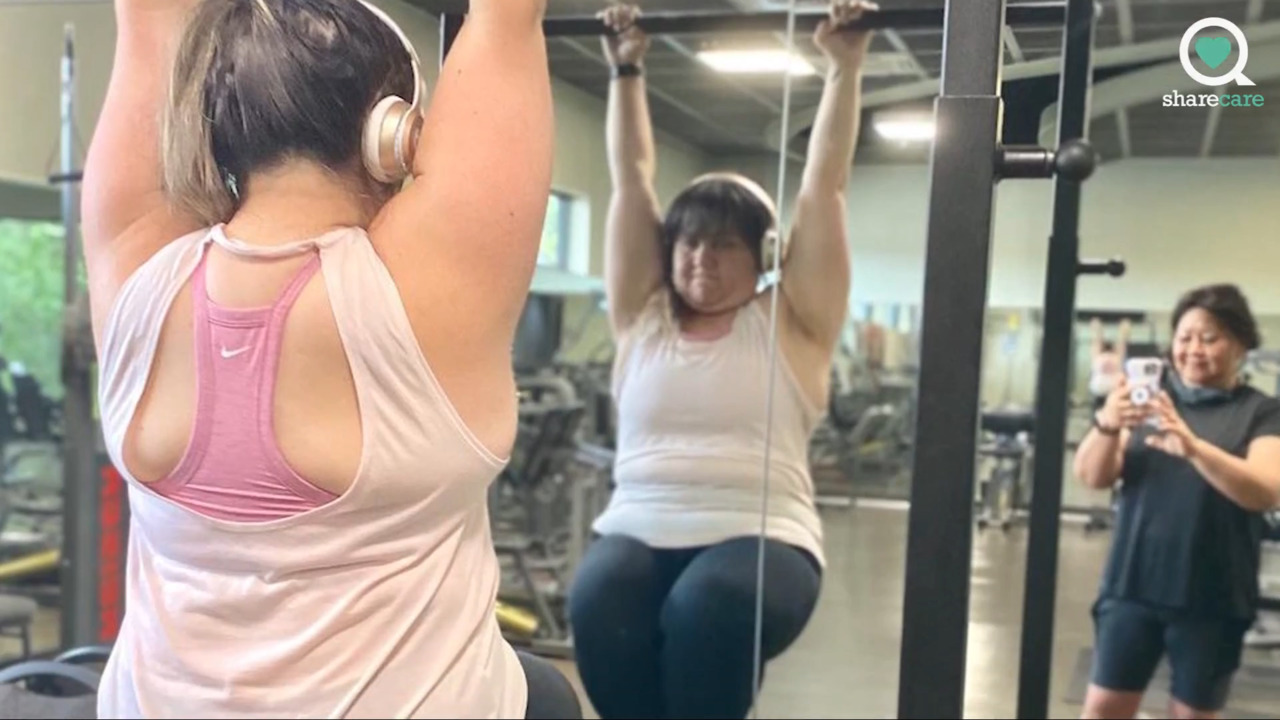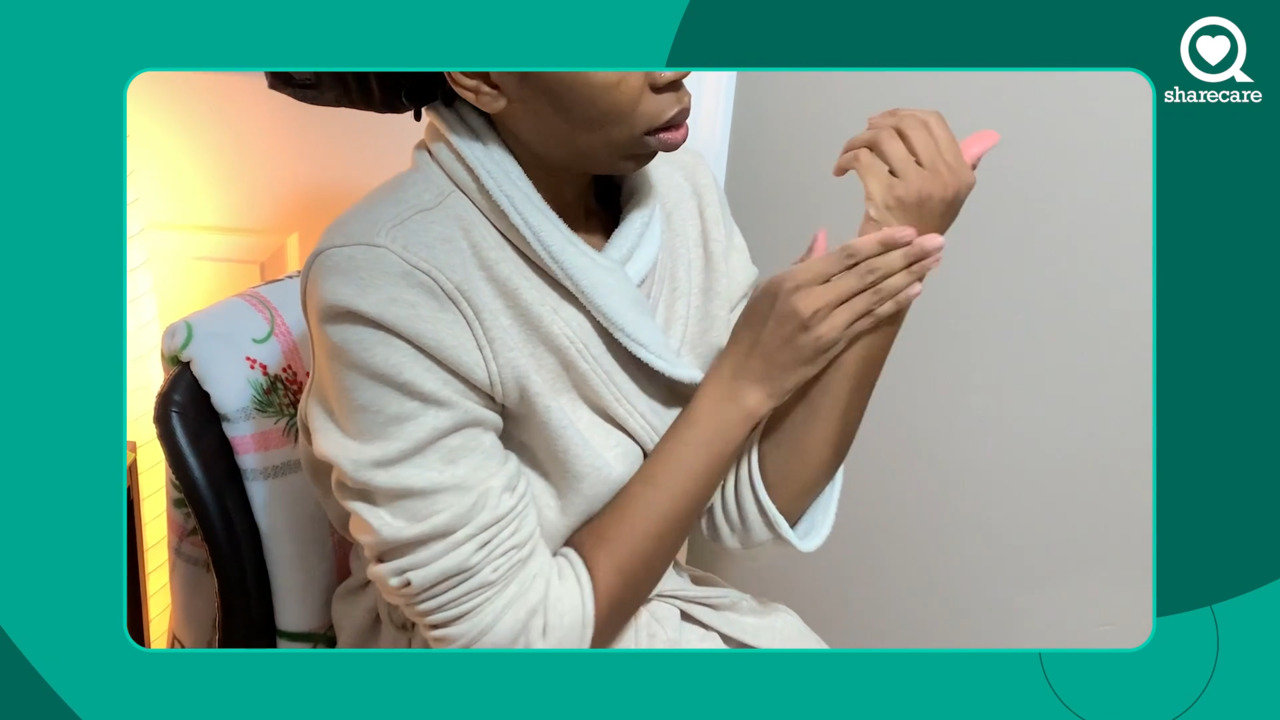
Your healthcare provider (HCP) has probably suggested regular physical activity to help cut down on joint pain or flare-ups from arthritis. But how do you start exercising if you're a beginner? Well, start right here!
Know your fitness level
First things first: Be honest about your starting condition. If you have health issues, like arthritis, diabetes or heart disease, get the nod from your HCP before you decide when or how to start an exercise program that works for you.
Also, completing an assessment with a fitness expert will reveal your limits, what types of exercises are best for you and how those exercises should be done. "Making sure you're doing the exercise properly before you even attempt the move is key," says Sharecare fitness expert Wendy Batts. "Otherwise, moving incorrectly can cause excess stress to a joint."
Set goals and rewards
Where you're at now probably took years to get to, and getting back on track can take some time. So that it's not so daunting, set minigoals for yourself. It's okay to have small goals, as long as they're sensible. "Having realistic goals allows you to always have something to refer back to and measure your progress against," Batts explains. If your goals aren't realistic, you could become discouraged or–worst of all–hurt yourself.
When coming up with your goals, don't forget the rewards! That way, the whole time you're sweating toward your next goal, you can dream about the spa day or day trip that's just around the corner.
Do what you love
If you choose an exercise that makes you say four-lettered words the whole time, your exercise program won't last long. "Find a workout you enjoy and look forward to–and then commit to it," says Batts. Figuring out which location and exercise works best for you and your schedule can make all the difference in the world. For a little extra motivation, work out with a buddy or trainer, Batts suggests.
Start off slow
Don't push yourself too hard in the beginning—that's how injuries occur. "A big reason why people quit their exercise program is they go too hard, too fast," says Batts. "Many people go to the gym, find the heaviest weights they can pick up and try to perform different exercises, not realizing it can cause injuries and lead them to stop their program." Getting fit isn't an overnight makeover; it's a progressive program that requires patience and persistence. But you'll get there.
Make it a routine
Another reason many people quit their workout programs is because they don't manage their time. If you're having trouble making time for exercise, you may want to try compound exercises, which target several areas of your body at once, or short total body workouts. "These can help save the amount of time you spend at the gym." Once you dedicate time each week to exercise and pace yourself, you might be surprised at how much you can achieve.