How to properly take your blood pressure at home

Transcript
[MUSIC PLAYING]
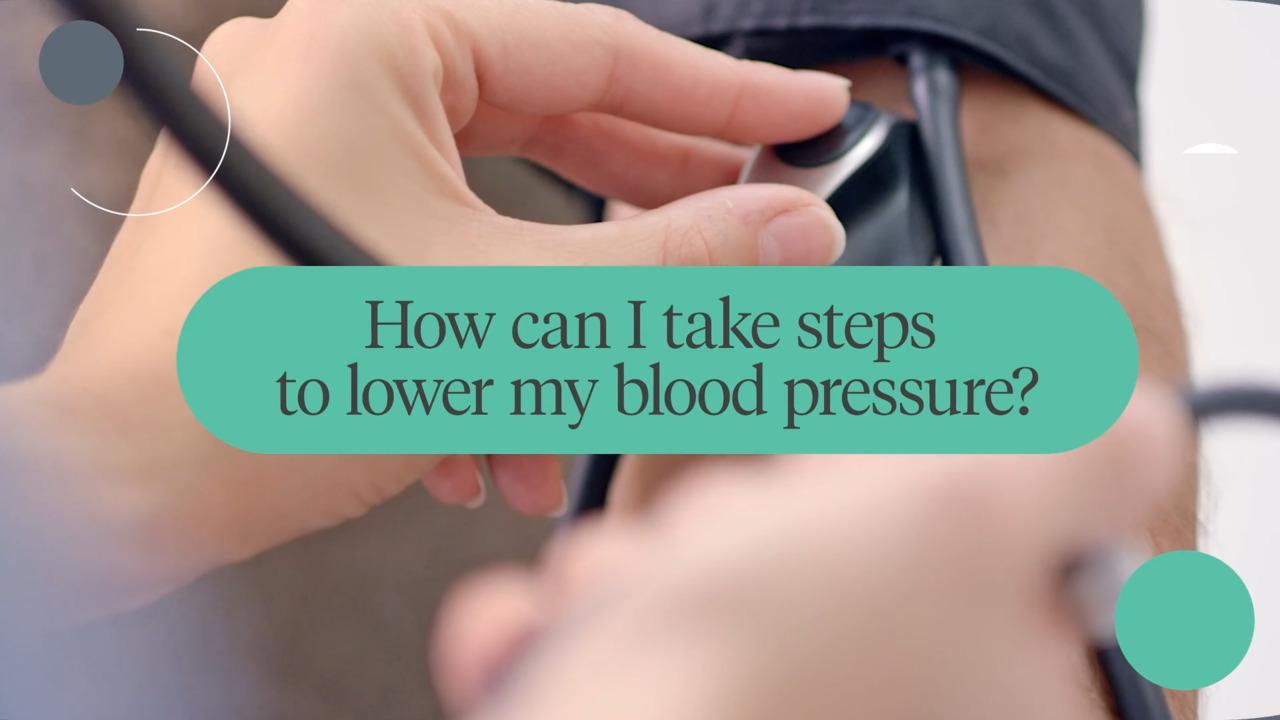
If you have high blood pressure, your health care provider may ask that you track your blood pressure at home.
This can help you figure out if your treatment is working and help your health care provider find out if they need to make any adjustments to your medication.
Most pharmacies, medical supply stores, and some websites sell home blood pressure monitors. An automatic or electronic device is recommended.
But talk with your health care provider to make sure you're getting the device that's right for you. Monitors generally have the same basic parts.
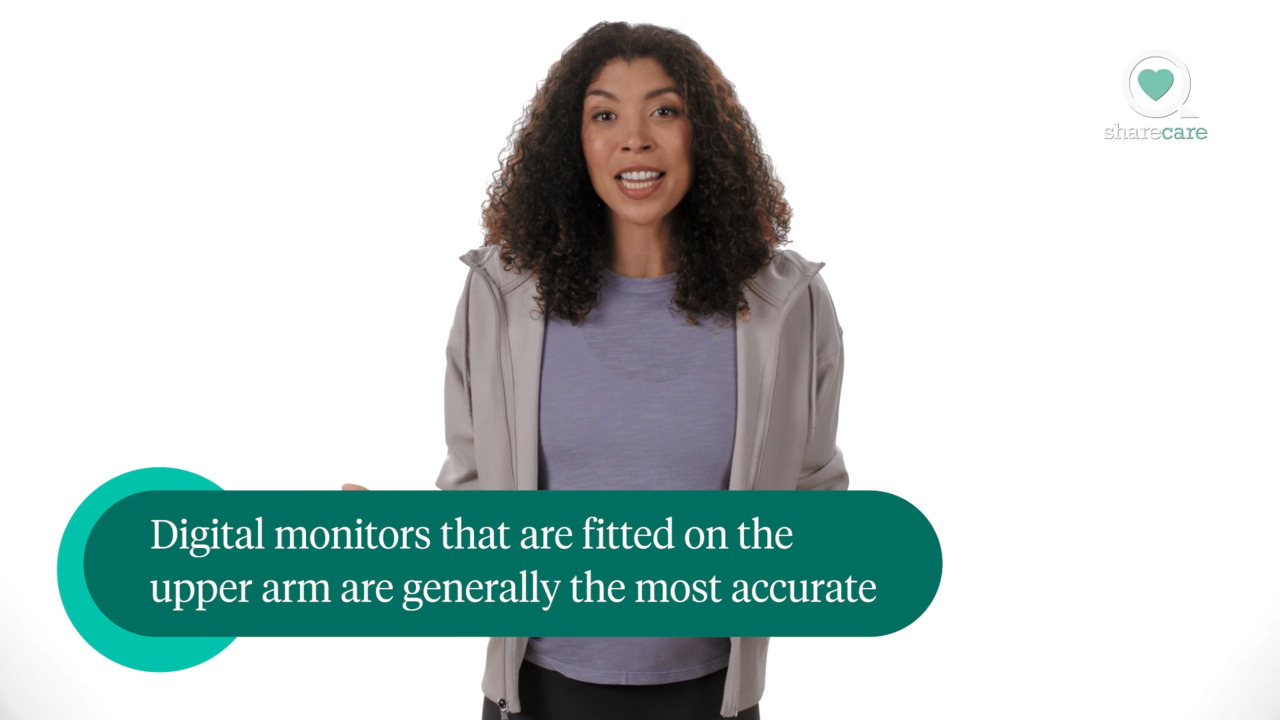
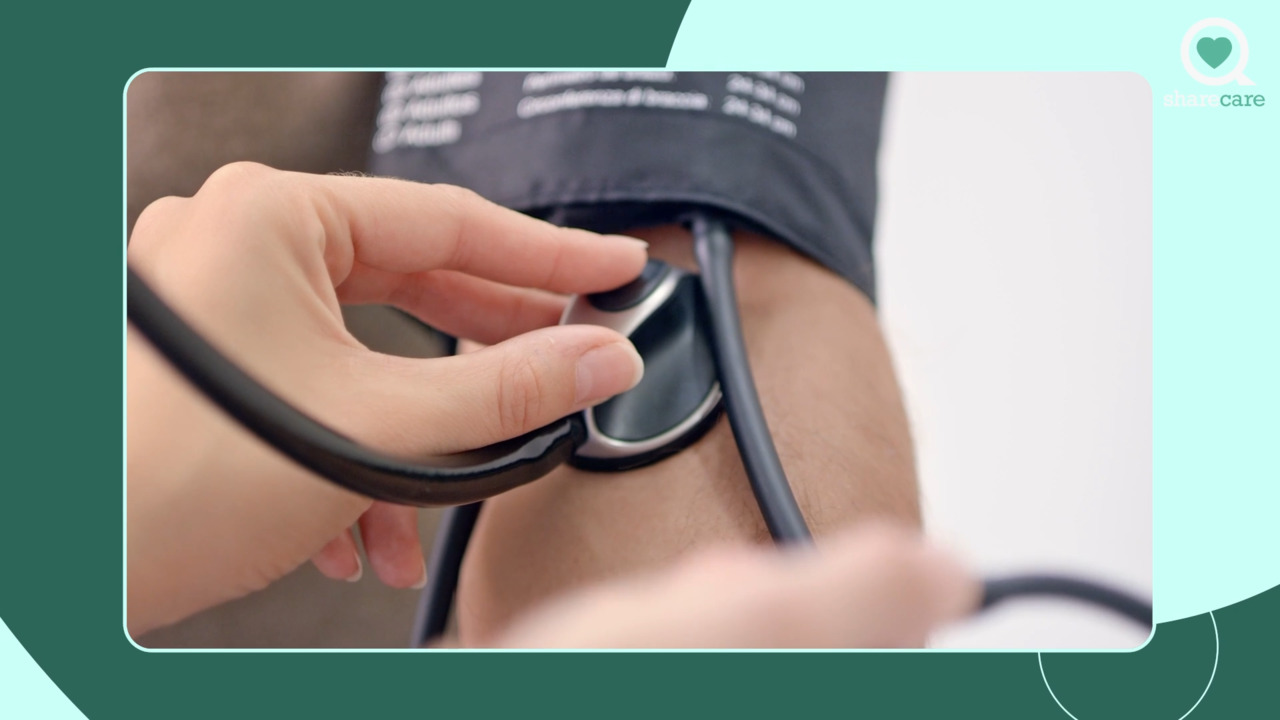
Digital monitors that are fitted on the upper arm are generally the most accurate. If you can't find a cuff big enough for your upper arm,
talk to your health care provider about a lower arm or wrist cuff. Finger devices aren't recommended. When checking your blood pressure at home,
make sure you remain still. Rest quietly for five minutes or more before checking your blood pressure.
Avoid smoking, caffeinated beverages, or exercise for 30 minutes.
Sit correctly. Sit with your back straight and supported, like on a straight-back dining chair, for example.
Sit with your feet flat on the floor and legs uncrossed. Keep your arm supported on a flat surface, such as a table,
with the upper arm at heart level. The bottom of the cuff should be placed directly above the bend of the elbow.
Take at least two readings one minute apart. Ask your health care provider how often you should check your blood pressure. It's a good idea to keep a blood pressure diary.
Write down your blood pressure, the date, and what time of day you took it.
hypertension






Browse videos by topic categories
A
B
C
D
E
F
G
H
I
J
K
L
M
N
O
P
Q
R
S
T
U
V
W
X
Y
Z
ALL