Unbreakable episode 5: the hormone shift
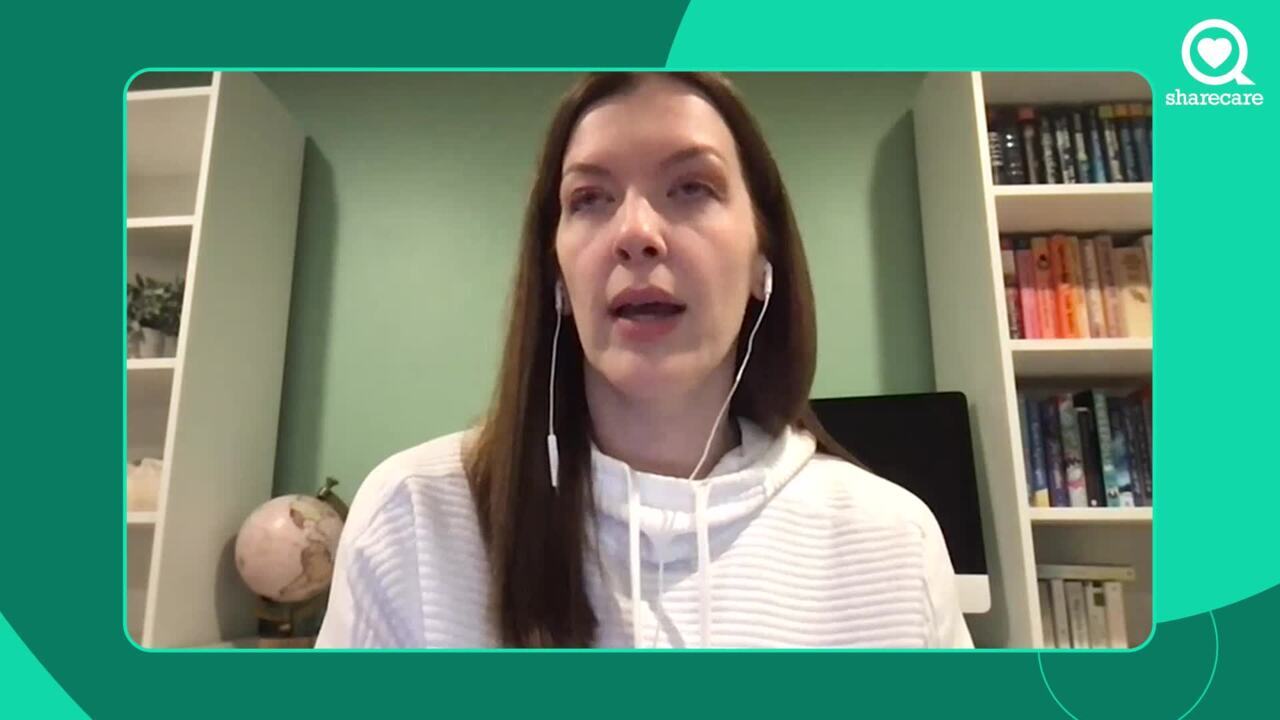
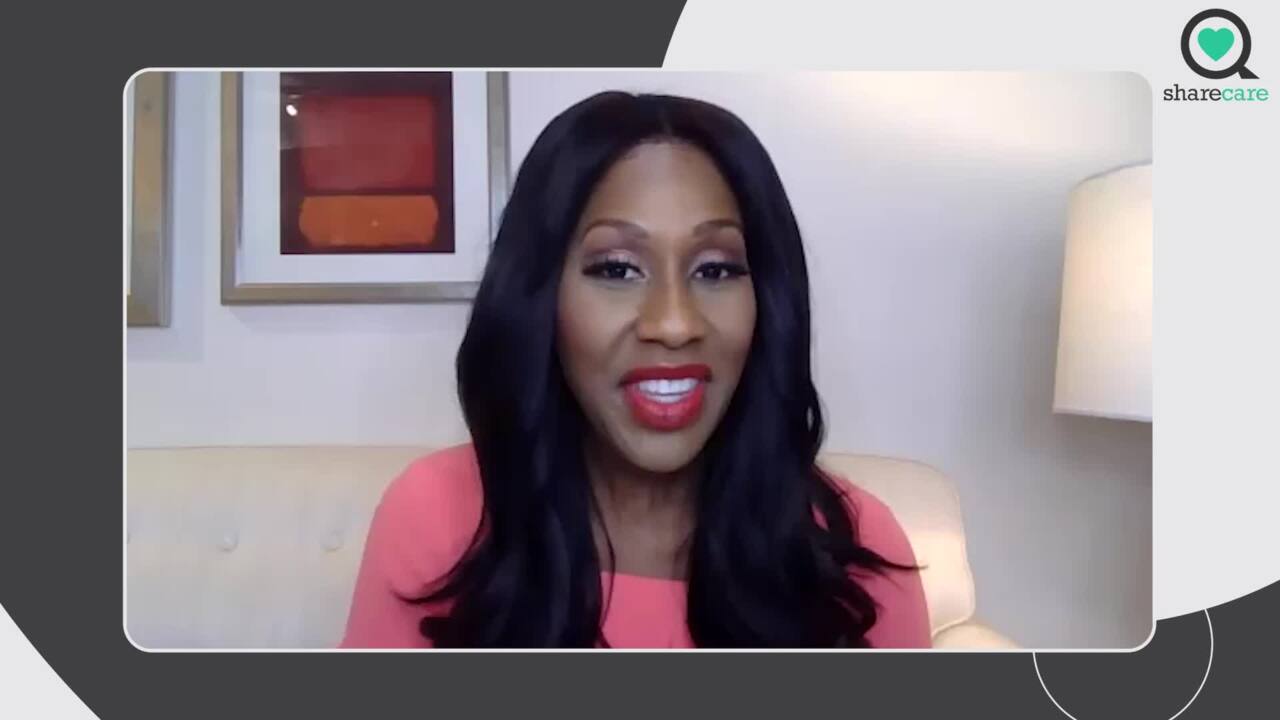
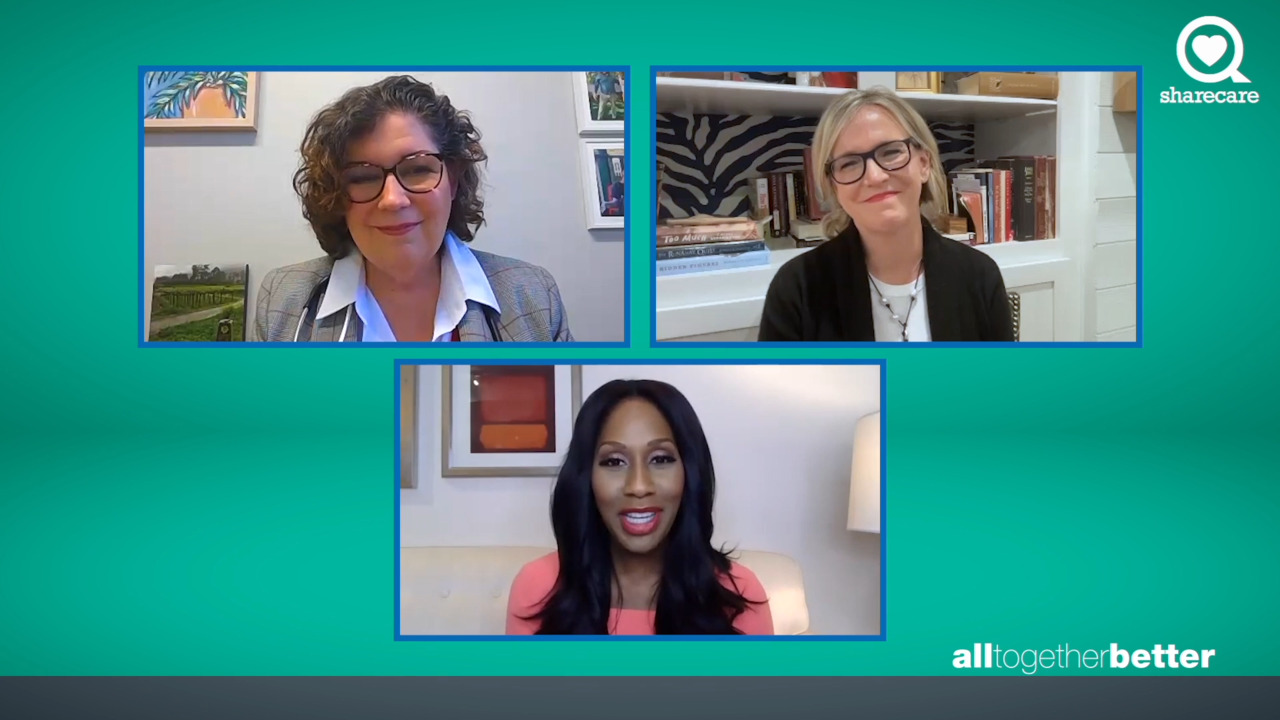
Renowned orthopedic surgeon, aging and longevity expert, and accomplished author Dr. Vonda Wright shares why perimenopause and menopause are pivotal stages in a woman’s life.

Transcript
Whether you have 62 symptoms, or whether you feel fine, everyone, if you live long enough, will experience this.
[MUSIC PLAYING] The female body is miraculous.
It is complex. And our complexity has a lot to do with our hormones. Remember when we were almost teenagers,
and we were going through adolescence? What a cataclysmic event that was. When we reach perimenopause, and our eggs decrease
to about 1% to 3% of the 2 million we were born with, we hit another cataclysmic stage that I call the menolescence.
It is a transformation that happens, frankly, as estrogen walks out the door. Every single body part have estrogen receptors.
And when estrogen is not sitting in those receptors, we begin to age differently. And all the symptoms that women feel
reflect the lack of estrogen in those receptors. So that's what we start in perimenopause
and complete on the day of our menopause and continue the rest of our lives
without making endogenous estrogen. [MUSIC PLAYING]
I am leading the way through the menopause maze with my vitamins, my melatonin sleep patches, my bioidentical estrogen
cream, progesterone cream, a touch of testosterone. This sweating is killing me, Ruby. [MUSIC PLAYING]
Menopause is a dark hole. OK, that's what menopause is. And that's where I'm at right now. JIMMY KIMMEL: Oh.
So I either will love my husband today or kill him today. JIMMY KIMMEL: Oh, no. Only we women can destigmatize this-- GALYE KING: Yes.
--by talking about it. 45 to 55-year-old is the most common time for women to commit suicide.
Menopausal women. We're struggling. [MUSIC PLAYING] You don't need to suffer.
And you suddenly-- certainly don't need to suffer in silence. [MUSIC PLAYING]
As a double board-certified orthopedic surgeon with 22 years of formal education under my belt,
you would have thought that I would have known everything about perimenopause and menopause before it hit me.
Despite the fact that all of my research has been in musculoskeletal aging, maybe I never thought it was going to happen to me.
As I became more educated myself, I started listening in a different way to my patients.
They would say, you know, I don't know what's going on, but I think I'm falling apart because everything hurts.
And after woman after woman after woman said the exact same things to me,
it showed me that everyone born with XX chromosomes and ovaries were having this common experience.
And yet very few women had the resources or the knowledge to even know what was going on.
And that's what fuels my passion because I don't want women in my generation to have to experience what I did.
So as we're reaching midlife, I think it's critical that we do a few things. Number one, we have to learn about this phase of life.
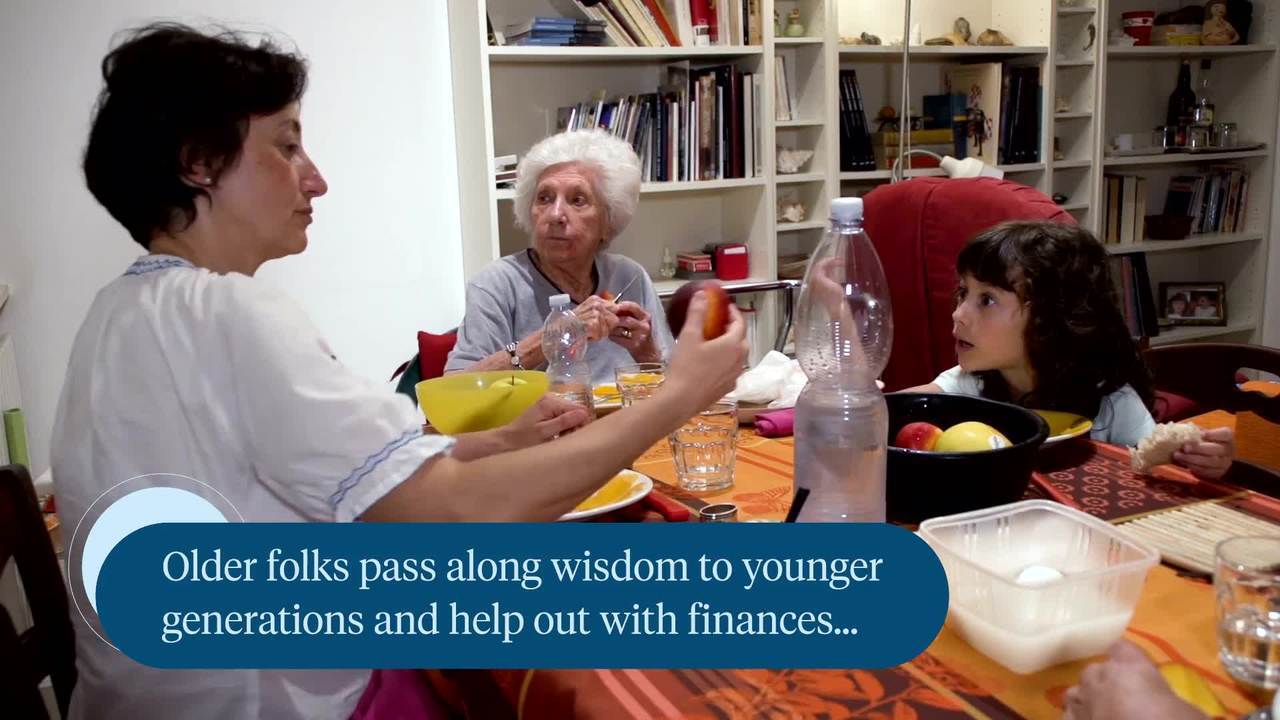
Talk to other women about what they're experiencing, and you may, for the first time in your lives, talk to your mothers or grandmothers
about what they experienced. Number two, we need to make our menopause hormone therapy decision.
We actually like to call this now PET hormones, progesterone, estrogen, and testosterone hormones,
because the reality is, these hormones do so much more than just determine our fertility or our menopause.
Number three, knowledge and hormones are never going to be enough. It takes a lifestyle of consistent anti-inflammatory
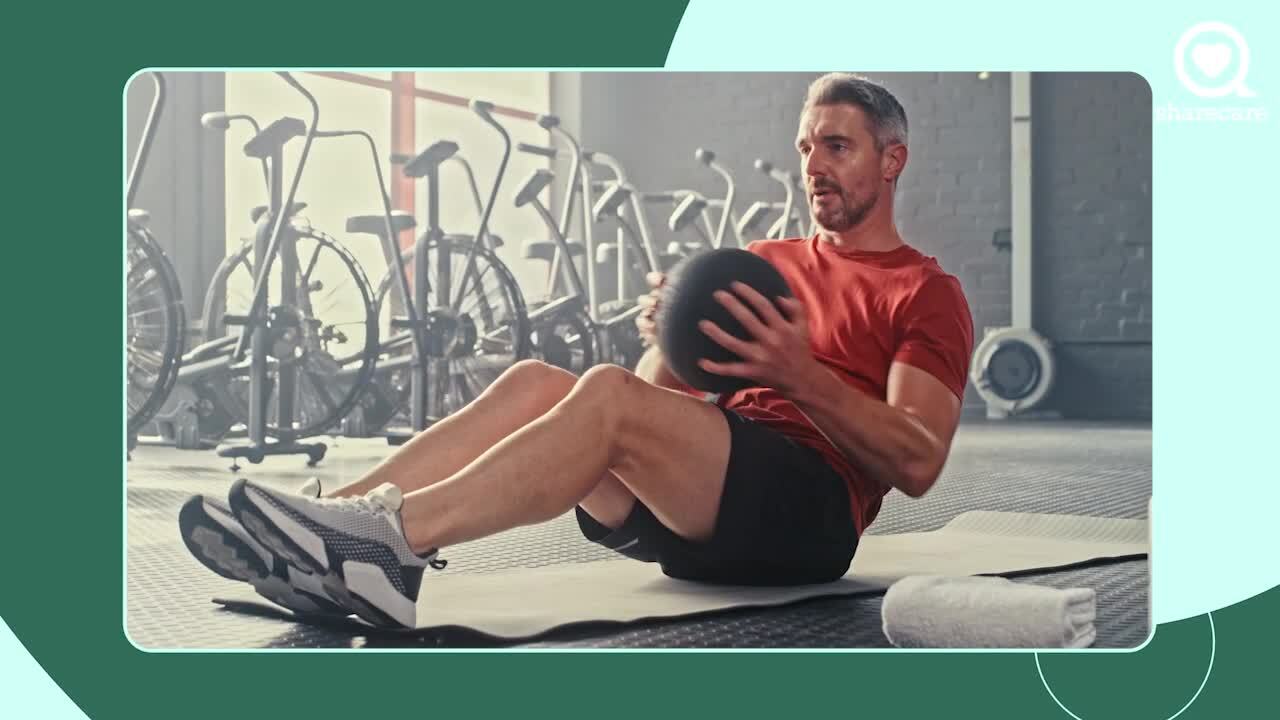
eating, lifting weights, cardiovascular, retraining our balance to avoid frailty and falls, which can be devastating.
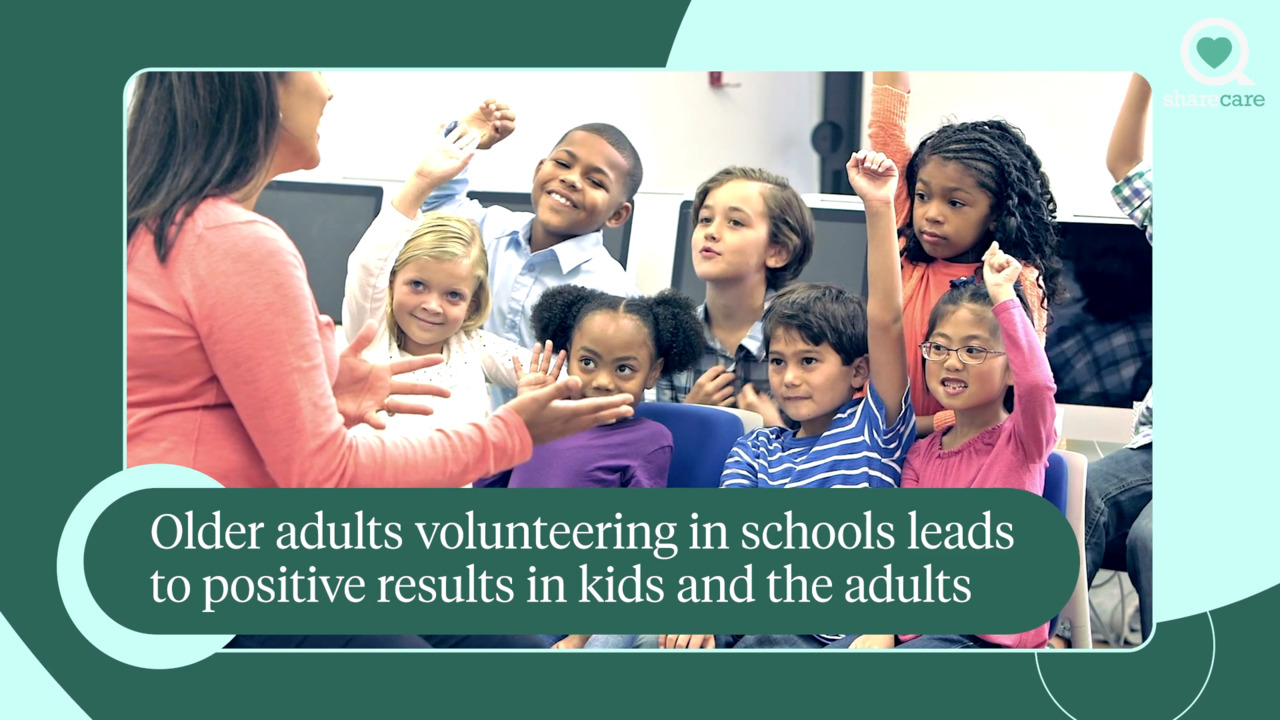
Next, social interaction is so critical in this time of life because it can feel really isolating and like you're alone.
So I always encourage women to find five friends who can support you in not only your menopause hormone decision making,
but in building your lifestyle. [MUSIC PLAYING]
I believe that every woman is a sentient being and has agency to decide whether she
is going to replace her estrogen, progesterone, and testosterone in a preventative way.
We can decrease our all-cause morbidity by 30% to 40%, our cardiac disease by 30%, our risk of fracture by 30% to 50%,
and so many other health problems that occur as estrogen walks out the door.
longevity



Browse videos by topic categories
A
B
C
D
E
F
G
H
I
J
K
L
M
N
O
P
Q
R
S
T
U
V
W
X
Y
Z
ALL