Updated on January 16, 2026.
When you get a headache, you might take aspirin and try to shrug it off. But sometimes a headache is a sign of something more serious—like a stroke, a condition that’s similar to a heart attack but affects the brain.
More than 795,000 people in the United States have a stroke every year, according to the Centers of Disease Control and Prevention (CDC). More than 160,000 die as a result. In 2019, a CDC report found that about 66 percent of people knew that severe headache with no known cause could signal a stroke, and around 76 percent of people could recognize all the major symptoms and knew to call 911 right away.
Unfortunately, determining when your headache spells trouble can be difficult. Here’s what you need to know about the two main types of stroke, as well as why some headaches are more cause for concern than others.
Pay attention to these symptoms
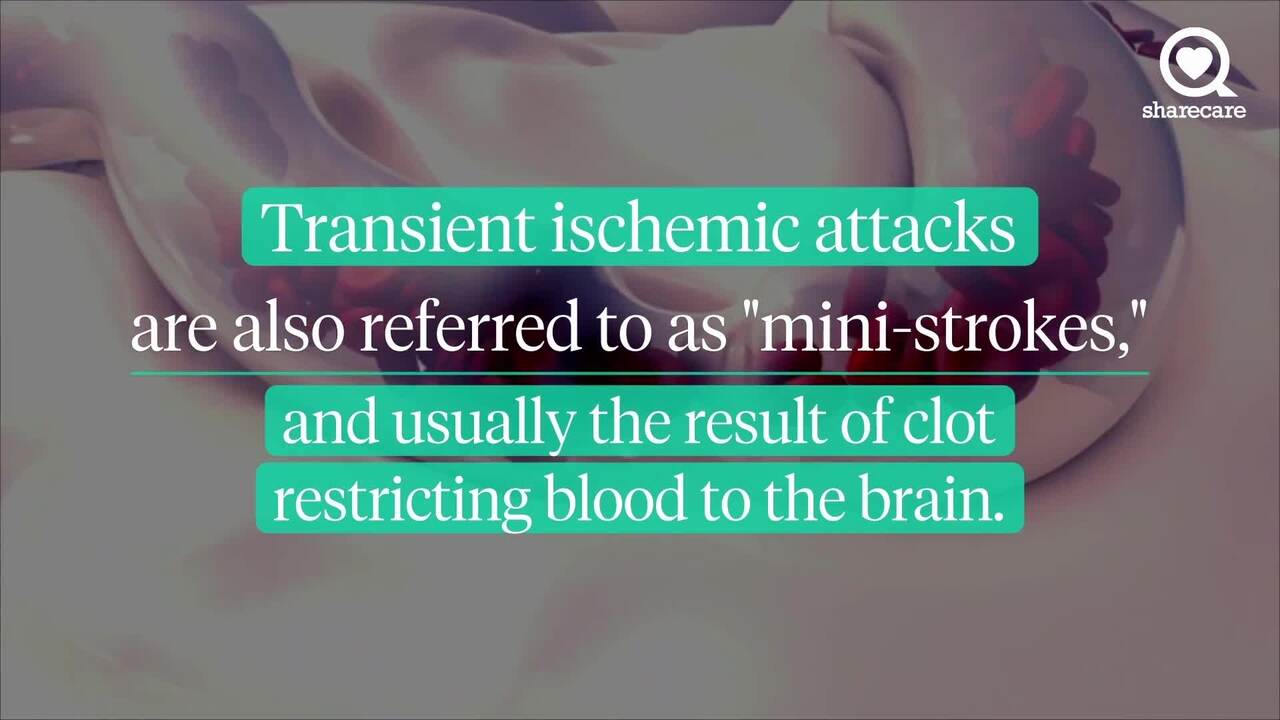
Between 85 and 90 percent of strokes are ischemic. They occur when a blood vessel becomes blocked, hindering blood flow to the brain. Many ischemic strokes don’t cause headaches, but are associated with other telltale symptoms, such as drooping on one side of the face, weakness in an arm, or leg or difficulty speaking.
Some types of ischemic strokes, however, can produce a splitting headache. These include arterial dissections, tears in the wall of an artery supplying the brain that leads to a blockage. They also include cerebral venous sinus thrombosis, which is a blockage in veins draining blood from the brain.
In addition to a severe headache, other signs of this type of stroke include:
- Facial pain or numbness on the same side as the headache
- Numbness on the opposite side of the body to the headache
People with headaches due to venous sinus thrombosis may also have blurry vision and seizures.
Why the worst headache of your life is a red flag
The remaining 10 to 15 percent of strokes are hemorrhagic. These are brain bleeds, and there are two types: an intracerebral hemorrhagic stroke and a subarachnoid hemorrhagic stroke.
An intracerebral hemorrhagic stroke occurs when a weakened blood vessel or aneurysm bursts, causing a brain bleed. Hypertension is the most common risk factor for an intracerebral hemorrhagic stroke.
A subarachnoid hemorrhagic stroke occurs when a bulge in a blood vessel—an aneurysm—within the covering layers of the brain ruptures, causing bleeding in the space surrounding the brain. While subarachnoid hemorrhagic strokes are less common, accounting for less than 5 percent of all brain attacks, their results are often devastating. Half of all patients die within the first six months, with between 15 and 30 percent of people with a brain bleed dying before even reaching the hospital.
An intracerebral hemorrhage, which most often occurs in people with high blood pressure, or less frequently, from an underlying blood vessel malformation, causes sudden, severe headaches. People with subarachnoid hemorrhagic strokes often complain of suddenly having the worst headache of their lives.
How strokes are treated
Ischemic strokes are usually treated with drugs to dissolve the blood clot. Minimally invasive catheter-based treatments—similar to stents used on heart attack patients—can also open blocked vessels in people with brain attacks.
While brain surgery was once the only option for hemorrhagic strokes, less-invasive options are now available. These include endovascular treatments with coils, stents, and flow diverters for brain aneurysms, and endoscopic treatments with vacuum suction devices for draining brain bleeds.
How to reduce your risk
Some risk factors for stroke, such as getting older, can’t be changed. Stroke risk doubles with each decade after age 55. Your risk of stroke is greater if you have a family history of the disease, as well.
Fortunately, there are some things you can do to lower stroke risk, including:
- Maintain a healthy weight
- Exercise regularly
- Eat a healthy diet
- Watch your blood sugar
- Lower your cholesterol
- Pay attention to your blood pressure
- Don’t smoke, and avoid being around second-hand smoke
Finally, if you think you or someone you know is having a stroke, remember the acronym F.A.S.T.:
- Facial drooping
- Arm weakness
- Speech difficulty
- Time to call 911
If any of the first three symptoms are present, get medical help right away. It might be the difference between life and death.