Advertisement

6 simple and delicious foods to boost your brain health

Grocery list essentials for a strong mind.
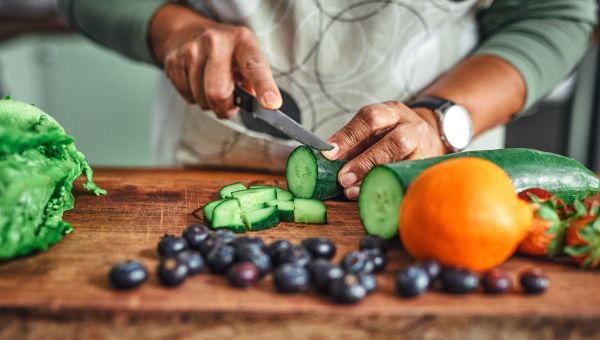
View of an unidentifiable man cutting up cucumber on a cutting board with other vegetables and fruits on the counter
1 / 8

There’s no known way to prevent dementia, but eating the right foods may help lower your risk. Incredibly, certain foods—especially whole, fresh fruits and vegetables—can pack powerful disease-fighting nutrients into tiny, tasty packages. Support your mind by adding these natural brain boosters to your diet.

view of a mug of hot tea on a cafe table
2 / 8
Sip on a warm cup of joe

The short-term effects of coffee, like increased alertness and improved mood, are well known. That’s probably why over 150 million people in the US drink it daily. And now, some long-term benefits are coming to light, as well. More research is needed, but in preliminary studies, coffee offered some protection against Alzheimer’s disease.

Caffeine might help improve your thinking, too. In a review of 13 studies, sleep-deprived participants scored higher on tests of reasoning, memory and perception after having caffeine.

An Image
3 / 8
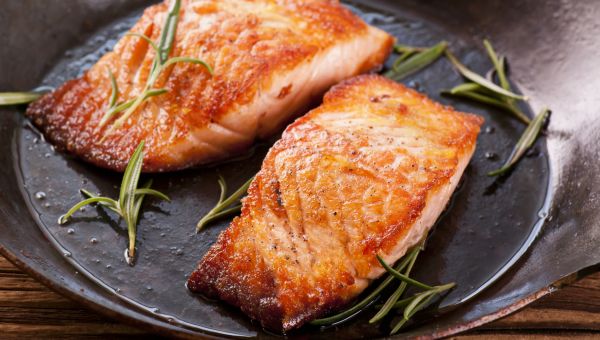
Cook up some savory salmon

The oils found in fatty fish like salmon are rich in docosahexaenoic acid (DHA), a form of omega-3 fatty acid, which a number of studies have linked to a lower risk of dementia and cognitive decline.

Some studies showed people with dementia who regularly ate fatty fish had fewer abnormalities on MRI brain scans and fewer beta-amyloid plaques, proteins that build up in the brain as Alzheimer’s progresses. Other research suggests fish oil may improve symptoms for those with mild memory complaints.

Aim for a serving of fatty fish twice weekly to support both brain and heart health.

An Image
4 / 8
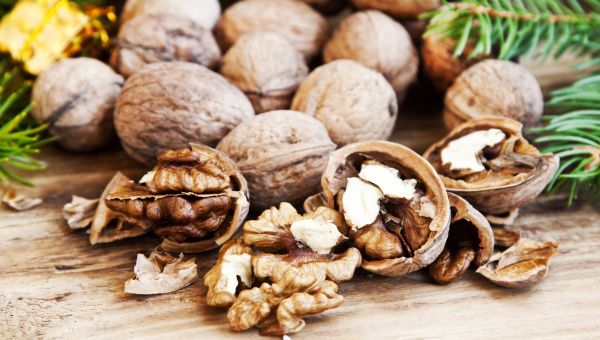
Snack on walnuts

Looking for an easy workday snack? Stash a bag of walnuts in your desk. These protein-rich nuts will keep you full until lunch, while their alpha-linolenic acid (ALA)—another form of omega-3 fatty acid—may sharpen your thinking. In a number of studies, people who snacked on walnuts scored higher on tests of working memory and reasoning.

If possible, eat the walnut skin, the thin white layer inside the shell. It’s loaded with polyphenols, compounds that may help lower cholesterol and blood pressure.

An Image
5 / 8
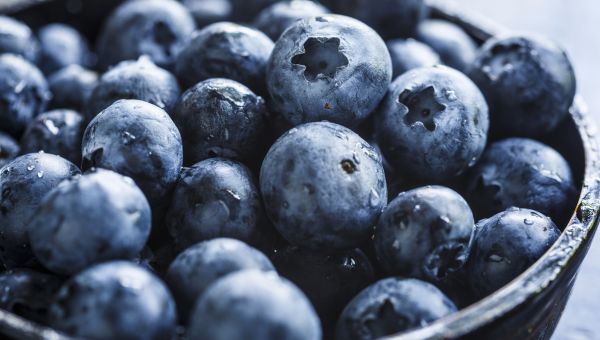
Pop a few blueberries

Blueberries contain flavonoids, compounds that help reduce chronic inflammation, which may be associated with Alzheimer’s disease, according to some preliminary research. And a small 2016 study found that consuming blueberry powder improved memory and brain function in a group of older adults with mild cognitive impairement.

Across numerous studies, people who consumed flavonoids scored higher on cognitive tests. In fact, one group of researchers measured the effects of eating berries over time among a group of aging women. Those who ate the most blueberries and strawberries experienced a delay in mental aging of around 2.5 years!

An Image
6 / 8
Invest in a juicer

Diets rich in fruits and veggies are associated with a lower risk of heart disease and numerous cancers. But if it’s a challenge to fit in your daily recommended servings, try juicing to up your intake. Studies have linked the habit to improved brain health among the elderly. One study found a link between regular juicing and lower rates of dementia over a seven- to nine-year period. Try veggie-based homemade soups if vegetable juice just isn’t your thing.

Plus, be wary about purchasing premade juices. Many have added sugars, artificial ingredients and tons of calories.

An Image
7 / 8
Chew some sugar-free gum

Research suggests popping a piece of gum may provide a 20- to 30-minute boost in memory and task performance. That may be why school children perform better on exams and adults score higher on reasoning tests while chewing gum. So chomp on a piece if you need a mental pick-me-up; just be sure to choose the sugar-free kind to protect your teeth.

a man getting a blood draw from a nurse
8 / 8
Avoid Cholesterol-Raising Fats

Keeping your cholesterol within the normal range offers a host of health benefits, including a lower risk of heart disease and stroke. It may even help stave off dementia, as some studies have linked the condition to diets high in cholesterol, saturated fats and trans fats.

Ask your general practitioner how often you should get your cholesterol levels checked. Men usually begin screenings around age 35 and women around 45. Some people should get tested earlier based on their family history or personal risk factors for heart disease.

More On

Emilia Clarke says ‘quite a bit’ of her brain is missing following aneurysms

video

Emilia Clarke says ‘quite a bit’ of her brain is missing following aneurysms
The actress opened up about the two brain aneurysms she experienced in her 20s. The brain condition left her brain with parts that no longer work. T...
Could you have a stroke and not know it?

article

Could you have a stroke and not know it?
Get expert answers, plus tips to help lower your risk of silent stroke.
5 big signs you should see a neurologist

slideshow

5 big signs you should see a neurologist
Symptoms like headaches and trouble sleeping may be easy to ignore, but they could signal a serious health problem.
How common is it for young people to have strokes?

video

How common is it for young people to have strokes?
Reports of young celebrities experiencing stroke have led to an increased awareness of such traumatic health events.
7 facts about sweat

video

7 facts about sweat
We all sweat! Here's why it happens and some effects of it.