Updated on February 3, 2026.
If you’ve walked down the aisles of any supermarket lately, you’ve probably seen a whole lot of whole grains. They're some of the most healthful foods you can eat—and consumers are increasingly aware of their nutritional power.
But it’s important to realize that not all whole grains are created equal. Here are answers to some key questions about whole grains to help you understand what they are, what to look for, and how to incorporate them into your eating plan.
What's in whole grains that makes them so special?
Grains are the edible seeds of some grasses. Whole grains are grains that are only minimally processed during manufacturing, leaving the most nutritious parts of the food intact.
A whole grain retains three of its original elements:
- The outer shell, or bran, which contains fiber, vitamins, and minerals
- The germ, which contains healthy plant compounds called phytochemicals
- The endosperm, which contains carbohydrates and protein
Processing or refining grains strips away the bran and the germ, leaving you with only the endosperm. But when the whole grain is left intact, you get more fiber and more micronutrients that help you feel satisfied, keep your digestive system running smoothly, and protect you against disease.
What are some good sources of whole grains?
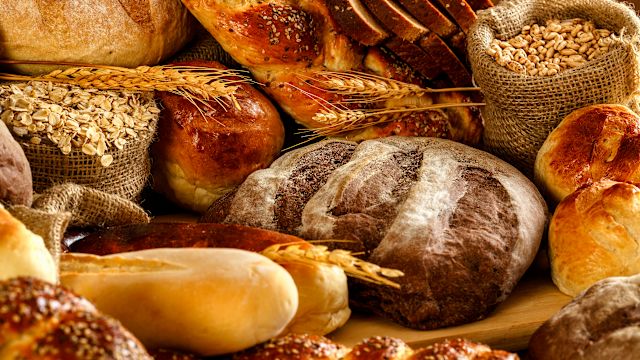
Whether you’re having oatmeal for breakfast or serving tabbouleh as a side dish, whole grains themselves can be cooked and eaten. Foods made with unrefined (unprocessed) flours and grains such as millet, bulgur, and whole wheat are often good sources of whole grains, as well. These include brown rice, soba noodles, whole-wheat bagels, barley, and much more. Foods rich in bran also contain healthy amounts of fiber, B vitamins, and antioxidants.
Foods made with refined (processed) flours, such as white bread and white pasta, on the other hand, contain less fiber and also lack certain nutrients present in whole grains. These include lignans, which may help lower your risk of heart disease and possibly cancer.
When shopping for whole grain foods, look for terms such as "100% whole grain" or "100% whole oats.” That 100 percent is important, because manufacturers sometimes print "whole grain" on products containing only small amounts of actual whole grains.
How do whole grains contribute to health?
A diet rich in whole grains instead of processed grains can help you:
- Lower your risk of heart disease
- Manage blood sugar levels
- Feel full and maintain a healthy weight
- Keep your digestive system regular
The carbohydrates found in whole-grain breads are healthier than those in refined flours because they take longer to digest. As a result, glucose (blood sugar) enters the bloodstream more gradually, helping to maintain steady blood sugar levels. Whole grains also contain plenty of fiber, which helps you feel full and maintain a healthy weight.
Whole-grain barley, in particular, is an excellent source of both soluble and insoluble fiber. Insoluble fiber works to keep your digestive system healthy by helping to maintain regular intestinal function. Soluble fiber may help lower your cholesterol levels, reducing your risk of heart disease.
Note: When you shop for barley, make sure to skip pearl barley. This type has been polished to remove the outer layer and the hull, so it’s not a whole grain.
How many servings of whole grains should you eat daily?
It's wise to ask a healthcare provider how many servings of whole grains you should aim for each day, since it can depend on several personal factors. These include your age, sex, activity level, and overall health.
As a general guideline, the American Heart Association recommends that healthy adults eat three fiber-rich whole grain foods daily. If that seems like a lot of whole grains, remember that a single serving is not very large. One serving of whole grains might be:
- 1 cup of whole-grain cereal
- 1 slice of whole-grain bread
- 1/2 cup of cooked oatmeal
- 1/2 of cooked brown rice
- 3 cups of popcorn, no salt added
Have a hearty bowl of oatmeal for breakfast, half a whole-grain sandwich for lunch, and a small plate of whole-grain pasta for dinner (with lean protein and plenty of vegetables on the side) and you’ll have hit this goal.
If three servings still feels like a lot, aim for one or two servings of whole-grain food and work up from there.
How can you add more whole grains and bran into your daily diet?
Try these simple tips:
- Eat whole-grain breakfast cereals, such as bran flakes, shredded wheat, or oatmeal.
- Make sandwiches with whole-grain breads.
- Cook soup and chili with barley.
- Serve brown rice, soba noodles, or bulgur side dishes instead of pasta or white rice.