Advertisement

7 simple ways to cut down on sugar in your diet

Living the sweet life doesn't have to be unhealthy.

Updated on January 23, 2026

1 / 8

The American Heart Association recommends limiting daily added sugar intake to just about 25 grams for women and no more than around 36 grams for men. But many U.S. adults are getting a lot more in their diet—and some many not even realize it.

We know our favorite sweets are loaded with added sugars, but the sneaky sweetener also lurks in places we least expect, like pasta sauces and salad dressings. If you’re looking to kick start a healthy lifestyle, give these effortless tricks for cutting sugar a try!

2 / 8
Check the labels

The only way to find out just how much sugar a particular food contains is by taking a good, hard look at the nutrition label.  There are many names for added sugars. Look for ingredients like sucrose, dextrose and maltose. If any of these appear in the list of ingredients, your product contains added sugars.

Even some of the most unexpected items in the grocery store contain unhealthy added sugars. Tomato sauce for example, contains 10 grams of sugar in only one cup. Even foods we consider “healthy,” like granola, can be loaded with as many as 12 grams of sugar per half cup.

Before adding anything to your cart, check the nutrition facts and choose products with little or no added sugar.

3 / 8
Drink up (the right way)

As amazing as the human body is, there are some weaknesses. For instance, we generally have a difficult time distinguishing between hunger and thirst, and may even allow ourselves to indulge in unhealthy (sweet) cravings when what we really need is a glass of water.

But many of us don’t reach of a glass of water. Instead, we quench our thirst with sugar-sweetened beverages, like juice and soda. A 12-ounce can of cola contains 39 grams of sugar—that’s more than the American Heart Association recommends for the whole day.

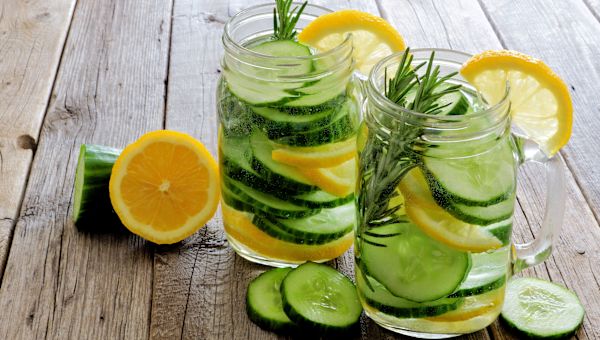
There are other ways to quench your thirst and sate your desire for something sweet. Try swapping soda for a zero calorie flavored seltzer or a fruit-infused water. Simply slice your favorite fruit and veggies like lemons, oranges and cucumbers, and toss them in a big pitcher of water.

4 / 8
Choose whole fruits

Not all sugars are created equal. Foods like fruit—and even milk—contain natural sugars, as well as other good-for-you vitamins and minerals. Most products with added sugar, like candy bars and soda, do not have other healthy ingredients. They’re merely empty calories.

While whole fruits deliver a healthy dose of sweetness, fruit-based products, like juices, smoothies, fruit cocktail and jams, may contain more added sugars than you’d think.

An orange contains about 12 grams of sugar, but one eight-ounce glass of orange juice contains a whopping 21 grams. Likewise, a cup of strawberries contains just 7 grams of sugar, compared to a single tablespoon of strawberry jam, which has 12 grams of sugar. If you’re looking to reduce your sugar consumption and satisfy your fruity cravings, choose a piece of whole fruit.

5 / 8
Spice up your life

Morning meals can be loaded with sugar, from coffee to yogurt to oatmeal and more. Your morning latte may jumpstart your day, but have you considered how much sugar it contains? A small vanilla latte—even with nonfat milk—contains 27 grams of sugar. You don’t have to skip out on your favorite drink of the day—just swap the sugar or sugary syrup for more wholesome ingredients, like spice and extracts.

Cinnamon, despite containing less than one gram of sugar, adds a bit of sweetness to things like coffee, yogurt and oatmeal. Nutmeg and turmeric make tasty additions, too.

If spice isn’t your style, reach for a flavorful extract. To recreate your favorite vanilla latte with less than one gram of sugar, just add a teaspoon of pure vanilla extract.

6 / 8
Buy unsweetened items

Unsweetened versions of some household staples, like applesauce, shredded coconut and almond milk are available.

Foods like shredded coconut and applesauce should be good for you, but during processing, sugar is often added to enhance their natural flavors. Enjoy these eats as they were meant to be consumed by checking the packaging for a few key phrases: unsweetened and no sugar added.

These swaps save you:

  • Almond milk: 7 grams per cup
  • Shredded coconut: 10 grams per ounce
  • Applesauce: 10 grams per 4 ounces
  • Oatmeal: 6 grams per single serve packet
7 / 8
Make your own condiments

Salad dressings, sauces and juices are often packed with added sugars. Many times, unsweetened or reduced sugar options are available, but sometimes, the best way to ensure what you’re putting in your body is sans added sugar is to make it yourself.

Not sure where to begin? Top your salad with homemade dressing by stirring together lime juice, olive oil and your favorite herbs. You’ll save 3 grams of sugar per fluid ounce.

Swap store-bought pasta sauce with a simple version you can make at home. Blend tomatoes with a bit of extra virgin olive oil and Italian herbs and spices, like basil and oregano, to create a homemade pasta sauce that saves you 18 grams of sugar per cup.

8 / 8
Stock up on healthy snacks

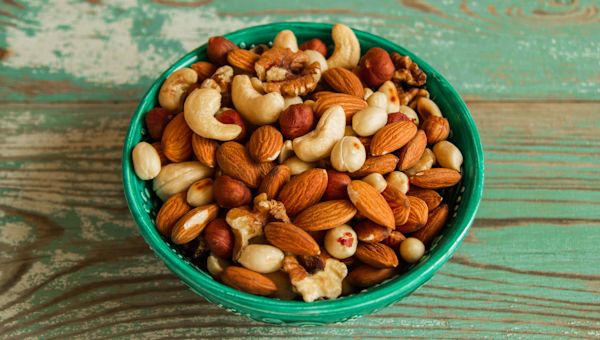
Stock your kitchen, office, or bag with healthy snack options. Fruits and veggies are always health options but nuts, seeds, low or non-fat Greek yogurt, and natural peanut butter are some other options to satisfy craving for something sweet while limiting added sugars.

More On

How can I choose convenience foods that are healthy?
video

How can I choose convenience foods that are healthy?
Eating healthy when you're away from home is easier than you think, says sports nutritionist Heidi Skolnik. Watch this video to learn which convenienc...
10 simple ways to eat Mediterranean on a budget
article

10 simple ways to eat Mediterranean on a budget
The Mediterranean style of eating is delicious and nutritious—but it can be pricey. Learn how to serve the staples without breaking the bank.
9 reasons to try the Mediterranean diet

slideshow

9 reasons to try the Mediterranean diet
Dieting doesn't always have to mean deprivation. This eating plan is simple, delicious, nonrestrictive, and benefits your whole body.
How can I change my thought processes so that I don't crave junk food?

video

How can I change my thought processes so that I don't crave junk food?
Registered Dietitian Keri Gans explains how you can change your thought processes to stop craving junk food. Watch Keri's video for tips and informati...
Are there any standards put in place for organic foods?

video

Are there any standards put in place for organic foods?
What's in a label? When a food is touted as "organic," it has to meet certain requirements. Learn what they are by watching this video featuring pedia...