Updated on October 17, 2024.
Peaches, plums, packaged salads, mushrooms, ice cream, deli meats and cheeses. What do these foods have in common?
In recent years, they have all been contaminated with listeria monocytogenes, a type of bacteria that can be found in soil and water and that may be present in raw and refrigerated foods. When it appears in food, listeria can cause serious illness. In some cases, it can even be deadly.
Here’s what you should know about listeria, and how to stay safe.
How does listeria get in my food?
Listeria bacteria typically lives in soil, water, and animal feces. If it makes its way to a food-processing facility—such as through contaminated vegetables or meat—it can spread to products through dirty equipment or unhygienic plant conditions. The Centers for Disease Control and Prevention (CDC) advises you to steer clear of items linked to outbreaks of foodborne illnesses. That means if you have products that have been flagged by health authorities as being part of listeria outbreaks, you should throw them away.
What are the symptoms of infection?
In otherwise healthy adults, listeria will usually cause a limited bout of food poisoning. Symptoms typically involve vomiting and diarrhea. Symptoms usually start about 24 hours after eating the food with listeria.
For people at highest risk—such as babies, pregnant people, older adults, and people with weakened immune systems—symptoms are more severe and can start on average 35 days after eating the contaminated food. Complications for pregnant people can lead to miscarriage, premature labor, and stillbirth. In the worst cases, listeria may cause serious illness, such as meningitis, and even death.
How is listeria infection treated?
A blood or spinal fluid test will show if you have listeriosis, the disease caused by listeria bacteria. A case of food poisoning from listeria doesn’t usually require antibiotics and symptoms tend to subside after about two days. For more severe infections, antibiotics are needed. Currently, ampicillin is the primary drug for treating the foodborne illness.
How can I avoid listeria?
You can’t fully eliminate the risk, but these tips can help keep you and your family safe:
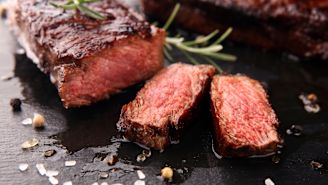
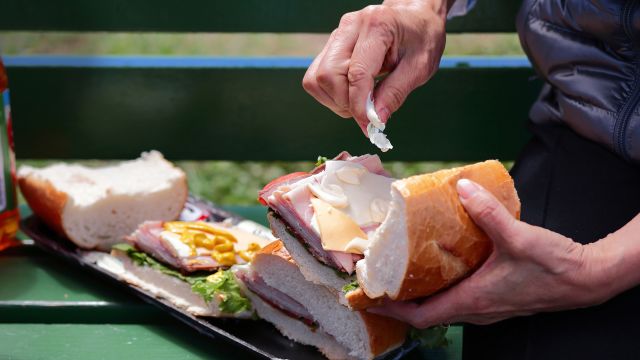
- Steer clear of foods often associated with listeria, such as raw meat, cold deli meats, unpasteurized milk, sprouts, and smoked seafood.
- Wash fruits and veggies and thoroughly cook meats. Be sure to scrub hard produce—like melons—before you cut into them.
- Keep your refrigerator temperature set to 40°F or lower and the freezer at 0°F or lower. Unlike other bugs, these bacteria can live and grow in colder temperatures.