Updated on June 30, 2025.
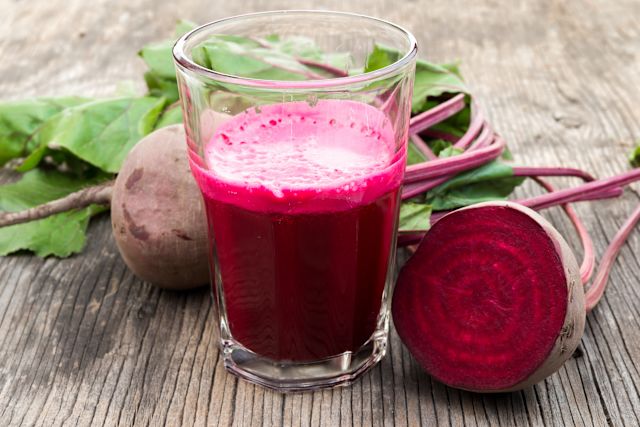
Next time you’re looking for a workout beverage, try thinking outside the box (or bottle). Recent research puts the spotlight on an unusual choice: beet juice, also called beetroot juice.
Multiple studies have suggested the drink may have benefits for people who exercise and athletes in some sports. It could help to improve heart and lung endurance by increasing efficiency. The result: better performance and a longer time before hitting exhaustion level. That means exercise may actually feel easier.
The role of nitrates
It’s likely that beet juice's exercise-enhancing power comes largely from the nitrates in beets. Nitrates are made of nitrogen and oxygen. Our bodies convert them to nitrites and then nitric oxide, helpful compounds that can dilate blood vessels, increase blood flow, and reduce the amount of oxygen muscles need to do work.
In addition to beets, the following vegetables and herbs are sources of nitrates:
- Leafy greens such as arugula, Swiss chard, spinach, and Bok choy
- Broccoli
- Carrots
- Cauliflower
- Celery
- Parsley
- Pumpkin
Nitrates are also often added to meats, such as hot dogs and bacon, to help preserve them. But these meats also tend to be high in sodium and saturated fat, too much of which can raise the risk of heart disease. They're also linked to a higher risk of gastrointestinal cancers—especially colorectal cancer.
More big beet benefits
Beets offer much more than nitrates. Among their many health perks:
- They’re high in fiber, which helps support your digestive system.
- They’re good sources of several vitamins and minerals your body needs, including iron, potassium, folate, and vitamin C.
- They rich in antioxidants, substances that help prevent or delay damage to your body’s cells.
The nutrients in beets may also help to manage inflammation, which contributes to chronic conditions such as heart disease and type 2 diabetes.
Eat to the beet
Though beets are famous for their deep red hue, they also come in purple, yellow, and gold. They can be eaten raw, juiced, roasted, boiled, or sliced up for chips. To prepare beets, use a sharp knife to cut the root and greens off each beet and scrub them with a vegetable brush under running water. (Save the greens for later.)
- To juice beets: Peel the beets, chop them into smaller pieces, and feed them into a juicer or blender. If you’re using a blender, add 1/4 cup water with the chunks.
- To roast beets: Place each beet in a piece of aluminum foil. Coat with olive oil and sprinkle with salt and pepper. Roast in a 400°F oven for 30 to 70 minutes, depending on beet size. Remove, let cool, and peel. (Note that beets peel easier after they’ve been roasted.)
Beet greens are also edible and make for a fast and easy side dish. To prepare them:
- Rinse and dry 1 bunch of beet greens. Once dry, separate the leaves from the stems. Chop the stems and tear the leaves into big pieces.
- In a large pan over medium heat, lightly sauté the stems and a minced garlic clove in olive oil. If desired, add red pepper flakes for some kick.
- After a minute or two, add the leaves and sauté until they’re cooked down. (This will happen quickly.)
- Remove from heat and squeeze a little lemon juice over the greens if desired. Season with salt and pepper. Serve quickly.