Updated on September 26, 2025.
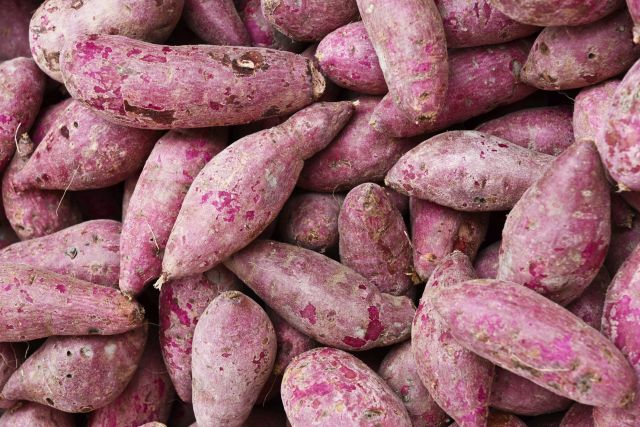
High blood sugar can damage certain body parts, just like dirty oil can hurt a car's engine. But there might be a novel way to help prevent some of that blood sugar distress: the purple sweet potato.
Dark fruits and veggies, like the purple sweet potato, are loaded with anthocyanins, powerful antioxidant compounds that give them their striking colors. And lab studies show that these potent chemicals may interfere with cell-damaging processes that develop when blood sugar remains high over time.
Anthocyanins: armor for your body
Here's how it works: When your blood sugar is chronically high, the extra sugar can bind to proteins in your body. This is the first step in a chain of reactions that leads to the formation of compounds called advanced glycation end products (AGEs). These AGEs have been implicated in a host of conditions, from diabetes to heart disease.
In a lab study of rats with diabetes, anthocyanin extracts from purple sweet potato slowed down this glycation process, lowering AGE levels by 36 percent. Blood sugar levels decreased by 15 percent and HbA1c (which estimates average blood sugar levels over the previous three months) decreased by 24 percent in the rats who received the extract, compared to those who did not. The study was published in 2019 in the journal Molecules.
Researchers suspect that these tubers could be beneficial in reducing damage and complications from chronically high blood sugar.
Purple sweet potato benefits
So far, most of these studies have been in animals or laboratory petri dishes. More research in humans is needed to confirm whether eating purple sweet potatoes will confer any measurable benefit to people with high blood sugar.
But other research suggests that anthocyanins from darkly colored fruits and vegetables may help slow down the aging process and help protect the body from conditions like cardiovascular disease, cognitive decline, and cancer.