What are my medication options for type 2 diabetes?
Type 2 diabetes is treatable. Sandra Sobel, MD, explains the many forms that treatment for T2D can take.

Transcript
There are many medication options for people living with type 2 diabetes. It's best to talk with your health provider about which one is right for you.
There are six commonly prescribed classes of medications. Each of them works in different ways to help lower your blood glucose levels.
Let's break them down. First, biguanides. Metformin is the most common first-line medication
for type 2 diabetes. It is usually the first medication prescribed. It can be prescribed alongside other diabetes medications.
Metformin works by lowering blood glucose levels by decreasing the amount of glucose produced by the liver. Metformin also helps lower blood glucose levels
by making muscle tissue more sensitive to insulin, so blood glucose can be used for energy. Most common side effects are nausea, vomiting, gas, bloating,
diarrhea that usually resolves with time. Metformin is weight neutral. This means you won't experience weight gain.
And you can lower your A1C by 1% to 2%. A1C is a test that tells you your average blood sugar
levels over the last two to three months. Second, dipeptidyl peptidase-4 inhibitors--
DPP4 inhibitors. DPP-4 inhibitors are a class of diabetes medications
that reduce the amount of glucagon. Glucagon is a hormone produced by the body. This increases insulin release in the body
and slows down digestion. The result is lower blood sugars. DPP-4 inhibitors are weight neutral
and they can lower your A1C by 0.6% to 0.8%. [MUSIC PLAYING]
Third, glucagon-like peptide-1 receptor agonists; GLP-1 receptor agonists; and glucagon-like peptide-1 gastric
inhibitory polypeptide-- GLP-1, GIPs for short. They work to slow gastric emptying,
promote fullness, suppress glucagon, and increase insulin secretion.
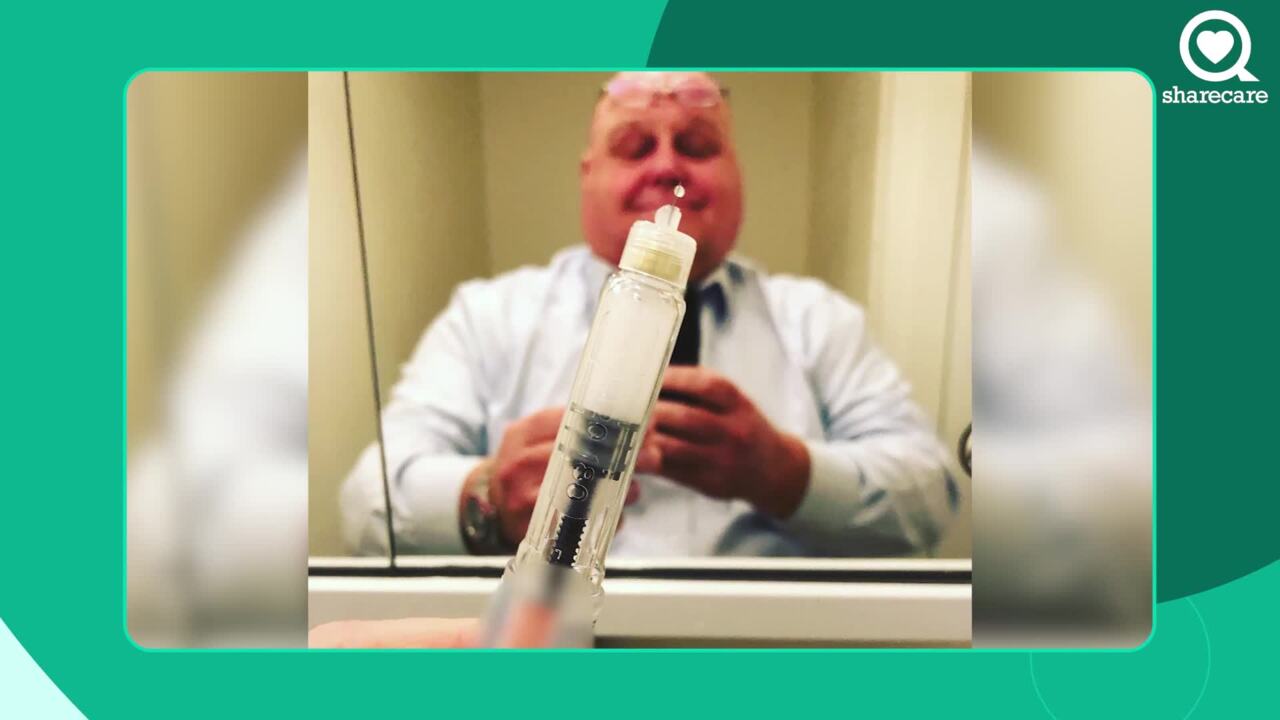
These classes of medications are injectables, except for Rybelsus, which is an oral medicine.
Both medications have common side effects. They are hypoglycemia, nausea, vomiting, diarrhea,
decreased appetite, abdominal pain, indigestion. GLP-1s can lower A1C by 0.5% to 1.6%
and body weight by 4% to 6%. Some can even reduce cardiovascular and kidney risks.
GLP-1/GIPs can reduce A1C by 1.8% to 2.4% and body weight
by 7% to 13%. [MUSIC PLAYING]
Four, sodium-glucose cotransporter-2 inhibitors-- SGLT-2 inhibitors.
To understand blood sugar levels in the body, you have to understand how glucose works. Glucose in the bloodstream passes through the kidneys.
Then, it either exits the body through the urine or is reabsorbed into the bloodstream. SGLT-2 inhibitors stop this reabsorption from happening.
This ensures that the excess glucose is eliminated by the urine. Common side effects are increased
urination, dehydration, possible urinary tract and genital infections.
Most SGLT-2 inhibitors can result in weight loss, lower blood pressure, and can lower your A1C by 0.6% to 1.5%
Some SGLT-2s can reduce cardiovascular and kidney risks. [MUSIC PLAYING]
Fifth, sulphonylureas. Sulphonylureas is one of the oldest diabetes medication classes.
People living with type 2 diabetes have used them since the 1950s. They are insulin secretagogues.
They cause the pancreas to release extra insulin. Also, sulphonylurea drugs have similar effects
on blood glucose levels. What is different is side effects, how often they are taken, how they interact with other drugs
differently. The most common side effects are low blood sugar and weight gain. They can lower A1C by 1% to 2%.
[MUSIC PLAYING]
And, lastly, thiazolidinediones or TZDs. These medications help insulin work better in the muscle
and they reduce glucose production in the liver. A benefit of TZDs is that they lower blood glucose,
but they don't have a high risk for causing extreme low blood glucose. Both drugs in this class can increase the risk for heart failure.
They can also cause fluid retention, edema in the legs and feet. They can also cause weight gain.
TZDs can reduce your A1C by 0.5% to 1% [MUSIC PLAYING]
Talk to your health provider about which drug may be best for you.
type 2 diabetes



Browse videos by topic categories
A
B
C
D
E
F
G
H
I
J
K
L
M
N
O
P
Q
R
S
T
U
V
W
X
Y
Z
ALL