When should I monitor my blood glucose levels?
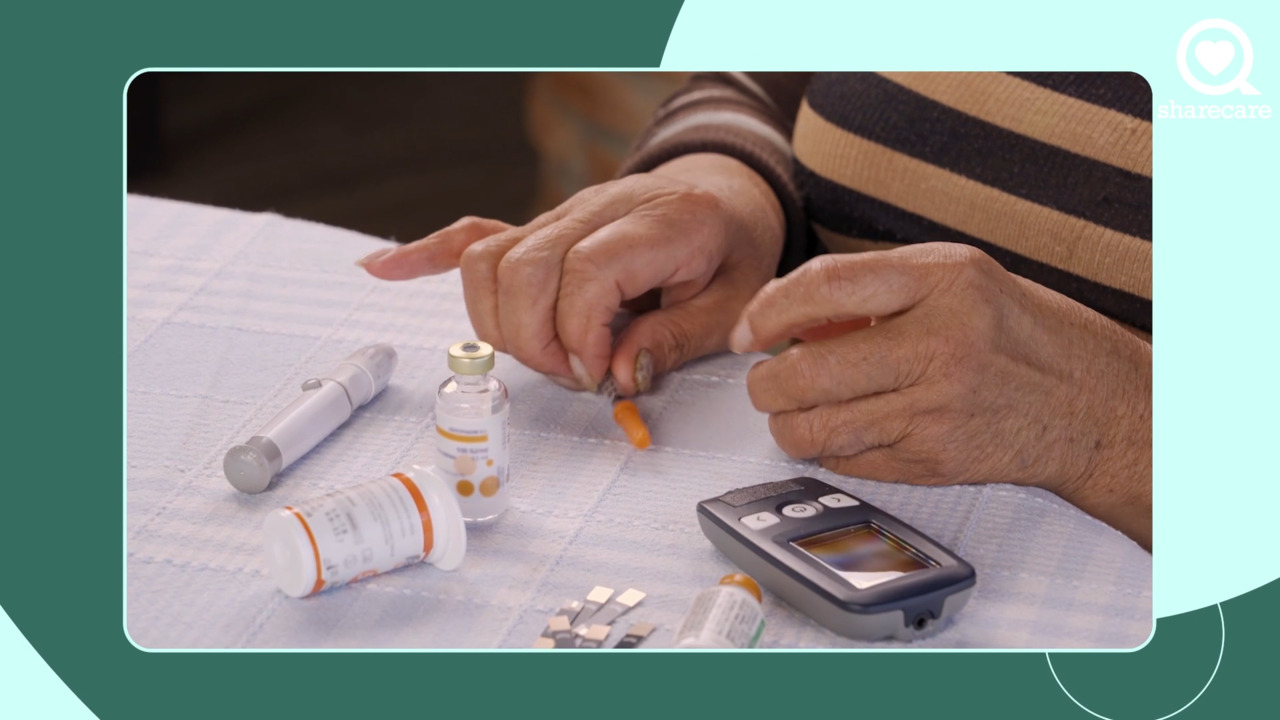
Here’s what you should know about when and how often you should monitor your glucose levels.

Transcript
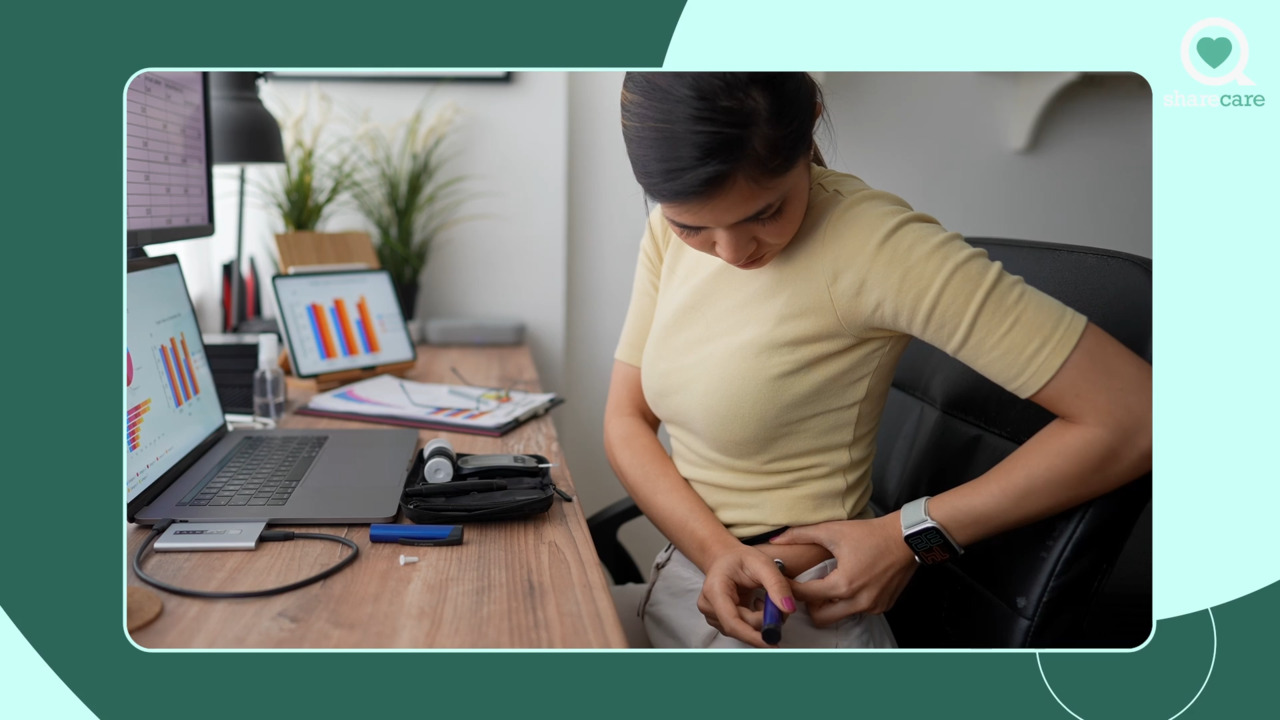
As an endocrinologist, people living with diabetes often ask me how frequently they should be monitoring their blood sugar levels.
And to be honest, that's a complicated question and it's different for everyone. So here's what you should know about when and how often you should monitor your glucose levels.
[MUSIC PLAYING] First, know that your doctor or health care
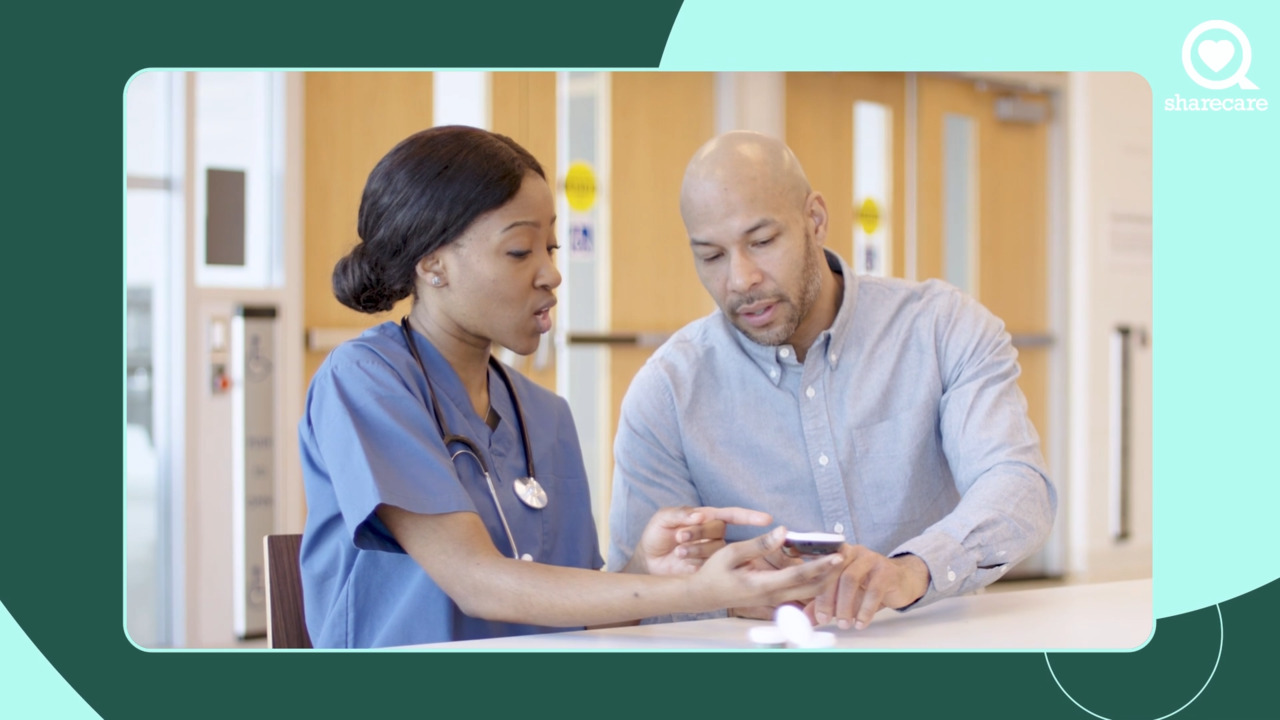
provider should be involved in the conversation and will help determine exactly what you need in order to stay healthy.
For people living with diabetes, there are a few things to keep in mind when it comes to understanding and monitoring your levels. For starters, know what events or activities may typically
raise your blood sugar. A rise in blood sugar can occur from things like eating certain foods, missing a dose of insulin,
taking medications that include a steroid, as well as stress, illness, lack of sleep, smoking, and dehydration.
Blood sugar can also rise when someone is going through puberty or times of other hormonal fluctuations, like during pregnancy,
menstruation, or menopause. So keep these things in mind when talking to your provider about changes to your body or habits.
Next, know what circumstances might result in a low blood sugar event. Missing a meal, taking too much insulin or medication,
drinking alcohol, or too much physical activity or exercise can decrease the glucose levels in your body.
Insulin and the medications glipizide, glimepiride, and glyburide also increase the risk of experiencing low blood sugar.
So, if you're on any of those treatments, you will want to monitor your blood sugar, medication doses, and timing of your meals more carefully and more often.
Knowing what events or activities can change your blood sugar is key for understanding and making a plan with your provider about monitoring your glucose levels.
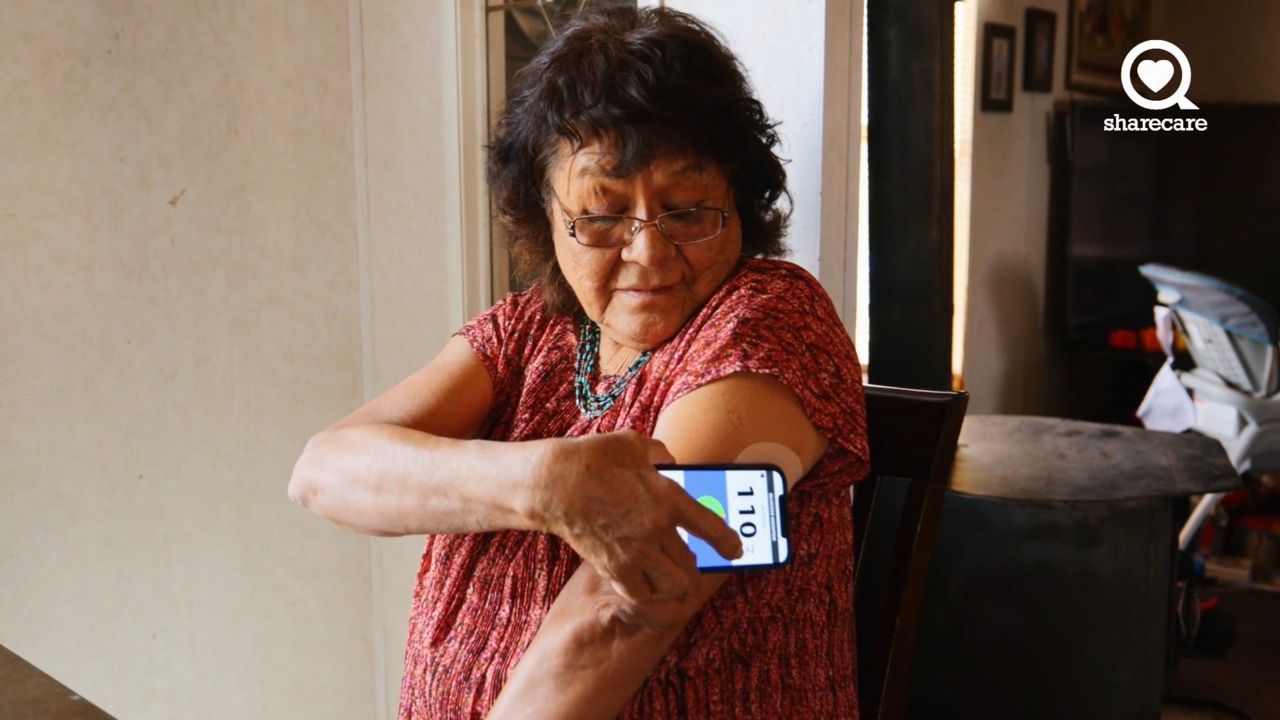
If you're still figuring out a routine that's best for you, begin by testing first thing in the morning-- fasting-- to learn your baseline.
From there, you can test at various times during the day to begin learning how your body responds to different activities.
Additionally, a blood sugar check before bed will allow you to compare that reading to the next morning to understand how your blood
sugars change overnight. Remember, if you feel any signs or symptoms of a high or low blood sugar, you will need to check your blood
sugar immediately and treat it quickly by following your doctor's instructions. The more you know, the easier it is to make early changes
diabetes










Browse videos by topic categories
A
B
C
D
E
F
G
H
I
J
K
L
M
N
O
P
Q
R
S
T
U
V
W
X
Y
Z
ALL