Back to
Updated on February 19, 2025
Lung cancer is one of the most common cancers in the United States, and approximately 85 percent of lung cancers are categorized as non-small cell lung cancer (NSCLC). The term “non-small cell” refers to the appearance of the cancer cells when examined with a microscope. (The 15 percent of lung cancers in the U.S. that are not NSCLC are called “small cell lung cancer.”)
Treatment options for NSCLC will depend on the stage of the cancer, the type of cancer, the location of the cancer within the lung or lungs, if the cancer has spread (and where), and characteristics about the cancer cells (if the cancer cells have certain changes to genes or proteins).
As with any cancer, a person’s age, overall health (including any coexisting health conditions), preferences about treatment, and treatment goals are important factors.
Treatment options can include surgery, radiation therapy, and systemic therapies (anti-cancer drugs), such as chemotherapy, targeted therapy, and immunotherapy. A treatment plan will often include a combination of different therapies.
Immunotherapy for NSCLC
Immunotherapy is a category of cancer treatment that helps the immune system fight cancer. There are different types of immunotherapies, but not every type of immunotherapy can treat every type of cancer.
The immunotherapies used to treat NSCLC are immune checkpoint inhibitors. Immune checkpoints are proteins that prevent the body’s immune system from attacking healthy cells. Sometimes, cancer cells use immune checkpoints to evade the immune system. Immune checkpoint inhibitors block or disable immune checkpoints, which helps the immune system find and attack cancer cells.
There are several types of immune checkpoint inhibitors. Lab tests may be done to look for immune checkpoints present on cancer cells (and what types of immune checkpoints). This can determine if immunotherapy is a good treatment option.
Studies have found that immunotherapy has improved outcomes compared to traditional chemotherapy for NSCLC.
Subcutaneous immunotherapy and NSCLC
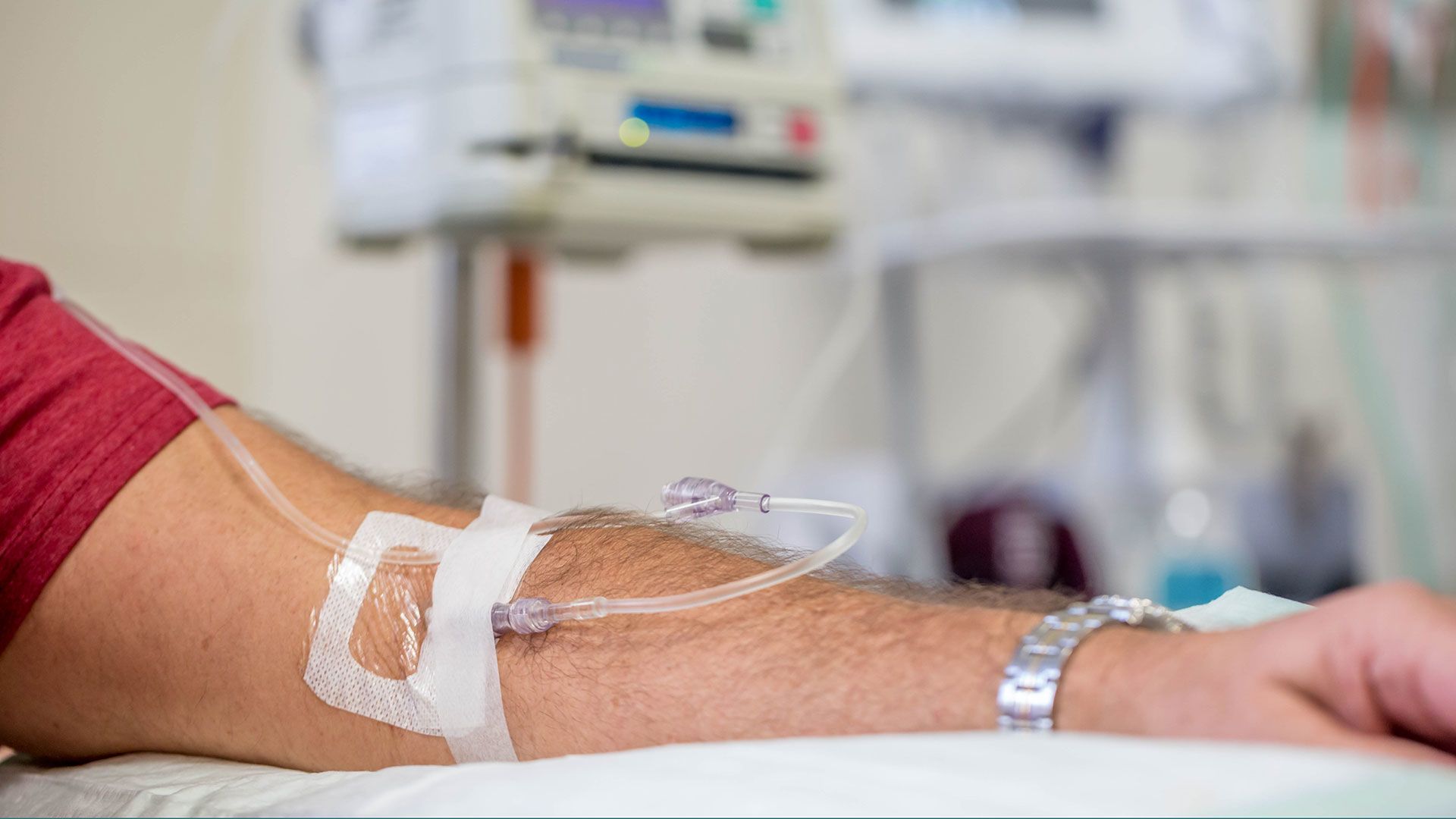
Most people who have received an immunotherapy as part of treatment for NSCLC would have received that drug intravenously (with a needle inserted into a vein). This process typically involves a visit to an infusion center or hospital. An intravenous infusion can take between 30 and 90 minutes depending on the specific drug being used.
However, several immunotherapies can be administered as subcutaneous injections. These are injections into the subcutaneous layer, a layer of fatty tissue located just beneath the skin. These injections are typically given in the abdomen or thigh (though certain medications may only be approved for administration to a specific site on the body).
While subcutaneous immunotherapy is a newer, emerging option for people treating cancer with immunotherapy, there are several subcutaneously administered immunotherapies available to treat NSCLC.
Subcutaneous injections can be administered at a healthcare provider’s office (and do not need to be administered at a hospital or infusion center). Appointments are also quicker, with a subcutaneous injection taking between 3 and 7 minutes. This can help make immunotherapy more accessible, and it can also help reduce the amount of time that a person spends at treatment appointments and traveling to treatment appointments. As anyone living with cancer knows, managing the disease can be time consuming.
If you or a loved one is treating NSCLC and believe that subcutaneous immunotherapy may be a good option for treatment, talk to your healthcare provider.