The history and future of metastatic breast cancer
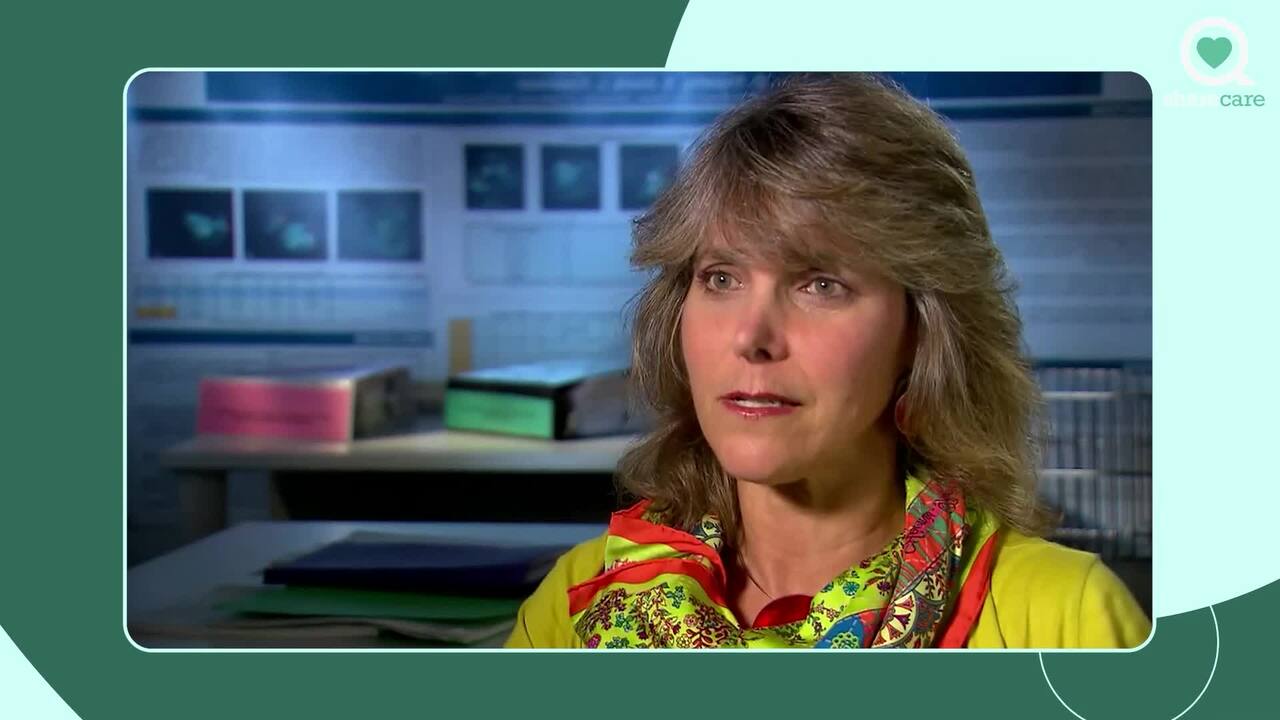
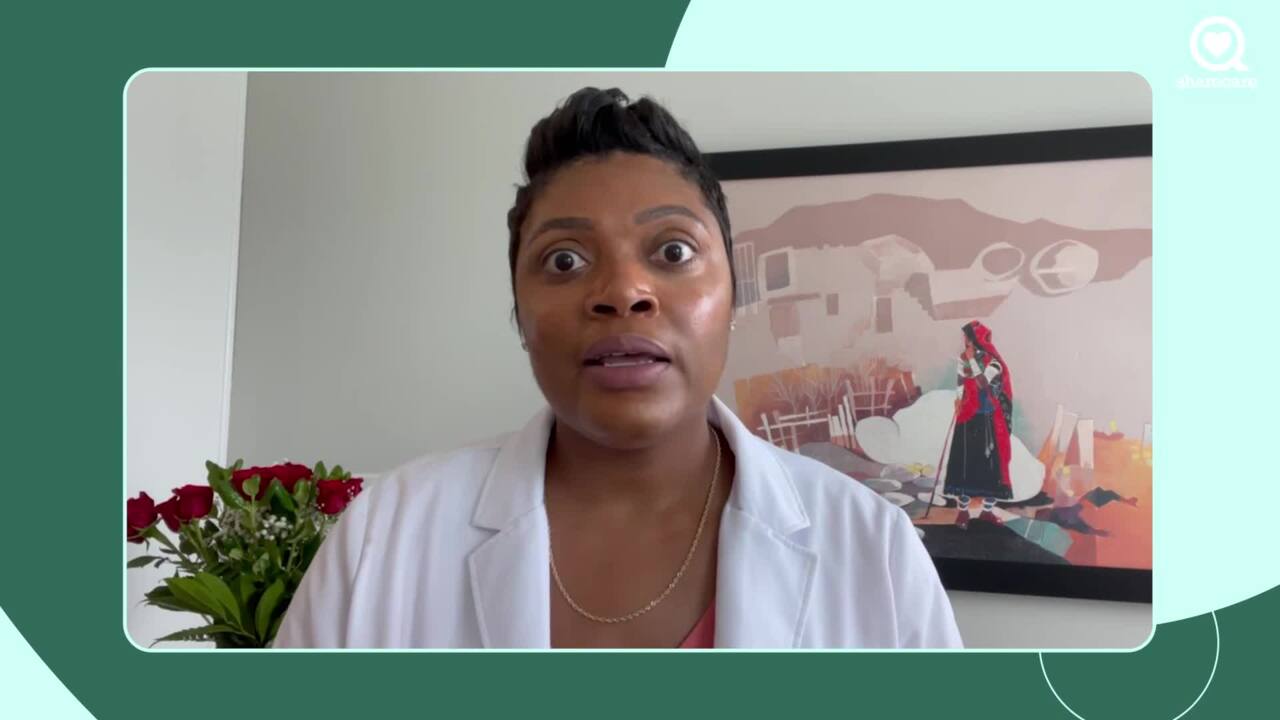
Cancer is actually an old problem that we can now combat with modern-day solutions. Breast cancer surgeon, Kristi Funk, MD, shares how chemotherapy came about, what we have learned, and what is coming in our approach to treatment.

Transcript
So many people think of the fight against cancer as a modern-day problem. And it definitely is in the sense
that many people today are still greatly affected by the disease. But in another sense, cancer is a very old problem
that's really being combated now with modern-day solutions. [MUSIC PLAYING]
Now, in a year, we're doing more in terms of approving new treatments and verifying new research than we
used to do in a decade or even a whole century. A lot of our findings used to be almost accidental. I mean, there's one story where a group of sailors
were exposed to mustard gas. And suddenly, their white blood cell counts plummeted. Hmm.
So maybe that same mustard gas would also kill abnormal white blood cells a.k.a.
lymphoma. And indeed, it could and it did, the birth of chemotherapy.
Nowadays, we don't wait for accidents. Our resources and methods are so sophisticated and focused
that you can just about set your watch by the progress being made. I work with those living with breast cancer. And it's an extraordinary time just within that cancer field.
We're interacting with parts of cancer cells that we didn't even know to look out for just a few years ago.
For example, in targeted therapy, we're doing the equivalent of aiming a laser at certain parts of the cells
and seeing how those respond to our inputs. Another weapon, immunotherapy, is quickly
becoming a standard of treatment which uses the body's natural immune system to work against the cancer.
In just the next year or two, the new methods we're able to talk about might be even more exciting and precise.
And I think it's also important to note that beyond the cancer-specific treatments, we're simply getting better at taking
care of patients as people. It's about time we're more holistic in our approach, which ties directly into our improved methods of offering patients
real relief from symptoms and performing what's known as palliative care, which is care designed solely
to improve one's quality of life at all stages of treatment. So yes, we have a long way to go in the search for the best
possible cancer treatments. But we're also moving faster than we ever have before. And that's great news.
breast cancer




Browse videos by topic categories
A
B
C
D
E
F
G
H
I
J
K
L
M
N
O
P
Q
R
S
T
U
V
W
X
Y
Z
ALL