What are we learning about the teenage brain?
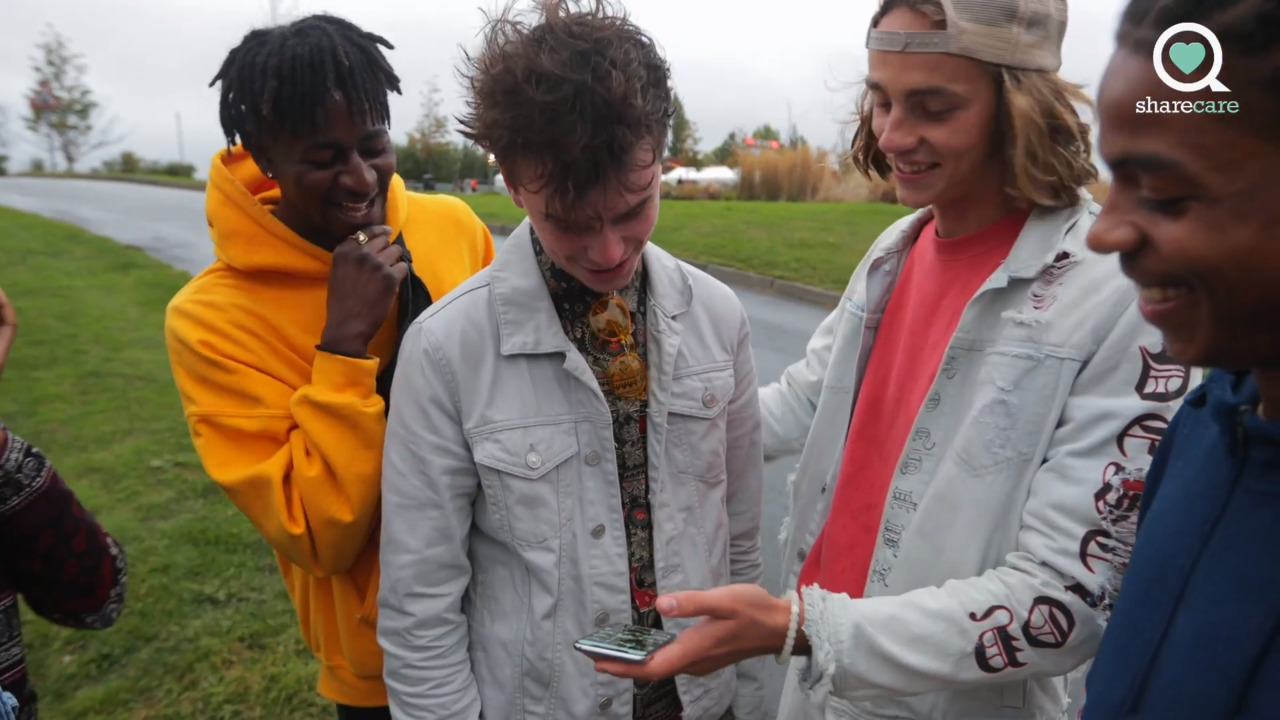
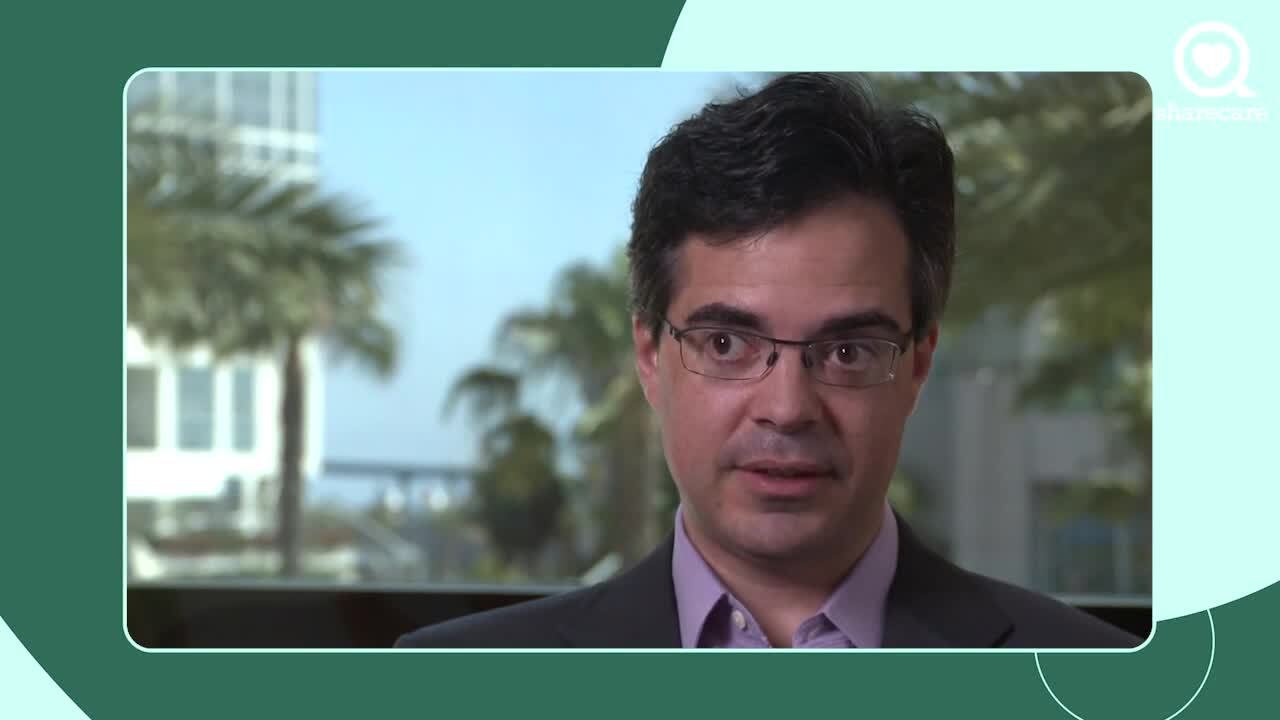
The teenage brain has strengths it won't carry into later life and weaknesses that will always influence it. Learn more with Frances Jensen, MD, neurology department chair at the University of Pennsylvania.

Transcript
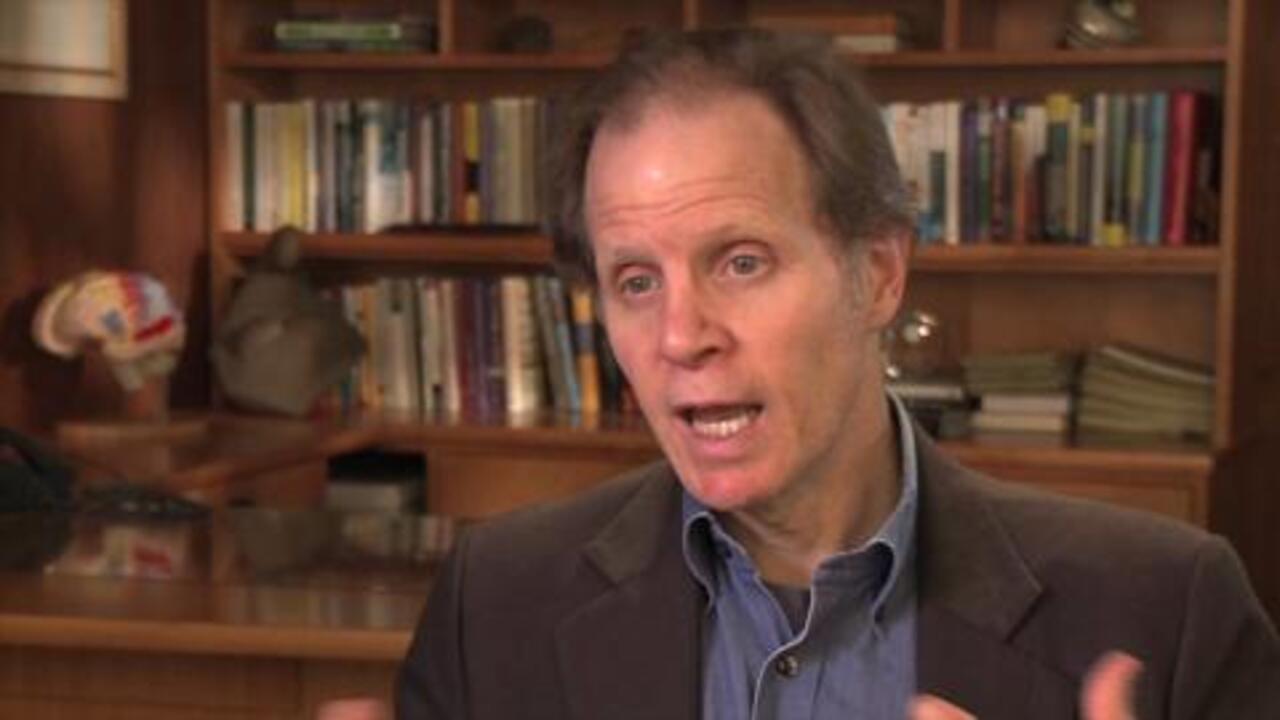
FRANCES JENSEN: We're learning that it's a paradoxical kind of brain. It has strengths that it will never have again,
but it has weaknesses that are going to continue to build, recover as they become adults. [MUSIC PLAYING]
For instance, a strength of the teenage brain is that it's a very active learning brain. Like a child's brain, the synapses
can very much be built based on experience. We call this synaptic plasticity, morphing of the synapses, which are the places where neurons
talk to each other and build during learning, for instance. All of the chemistry and proteins that are required for that process
are at higher levels in the child brain, and they're still quite high in the adolescent, and then it comes down to adult levels.
So they're actually learning at a faster rate. They can learn harder, stronger, longer than an adult can.
But it's a double-edged sword. Because they're so impressionable, it's not just good things that can actually
impact their synaptic development and set them in on the right track for life. They can also be impacted more than the adult
by negative things such as drugs, stress, sleep deprivation. And this was big news that there was this period in development
where, actually, we you're quite vulnerable, yet you're exposing yourself to a lot of risks. Now, why does a teenager expose themselves to so much risk?
There is biology behind that, too. That's part of the paradox. While they're very active learners
and very impressionable, they're lacking something which is called connectivity to your frontal lobe. They're lacking the ability to use their frontal lobes
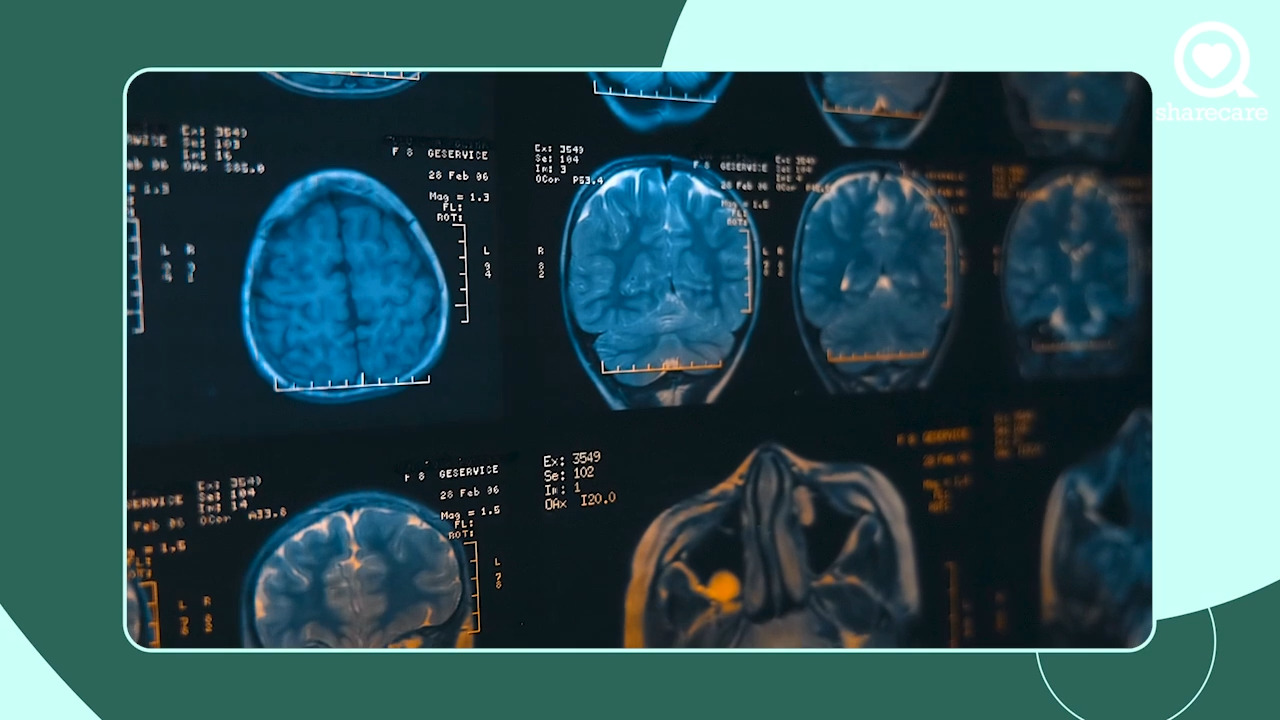
like adults do. And why is that? Well, brain regions connect to each other through processes.
They're kind of like wires moving from one side of the brain to the other. And just like a wire, it needs insulation.
So there's a fatty substance that our little, tiny cells in our brains make, called myelin, which is our natural insulation.
That process-- those cells have to work very hard to complete the process, and it starts from the back of your brain to the front.
By the mid 20s, when the process is finally completed, the frontal lobes are hooked up and online for ready access.
It's not like a teenager doesn't have frontal lobes, but they're just not accessible at the speed at which ours
are as adults later in life. So, hence, what do the frontal lobes do? Insight, judgment, empathy, control of risk-taking,
control of impulses. These are all things that I think every parent and educator knows are relative weaknesses
of the teenager. So you have this paradox. They're very revved up, but they have not very good brakes.
brain health nervous system






Browse videos by topic categories
A
B
C
D
E
F
G
H
I
J
K
L
M
N
O
P
Q
R
S
T
U
V
W
X
Y
Z
ALL