What do-gooding does for your brain

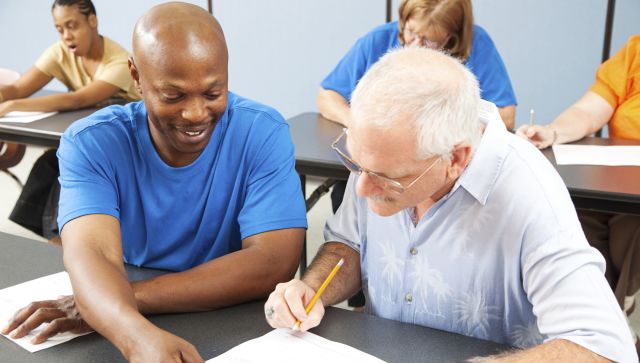
Older students in a classroom looking over their work.

Are you a do-gooder? If you are, chances are you'll stay sharp as a tack as you age.

Volunteering in a social setting—tutoring kids in a library or school, for example—can help reverse or delay declines in brain function that happen with aging, research shows.

Plastic brains are good

The thing is, your brain is plastic. No, not like those jelly bracelets from the '80s. Brain plasticity refers to its ability to change and form new connections between neurons in response to novel situations. Unfortunately, it's natural to lose a little of this plasticity over time. And when you don't use your brain, the sluggishness gets worse. So it's essential to stay active—not just mentally but physically and socially.

Get your good deed on

Volunteering fits the bill on many fronts. It challenges the brain to think critically and learn new things. It creates a social outlet (also good for the brain). And getting involved in a good cause can add meaning and a sense of purpose in life—all good things for mental well-being. So do your brain a favor and find a volunteering effort that captures your interest, whether it's helping children find books in the library or cooking meals for shut-ins.


More On

3 ways to care of yourself when your child has epilepsy

video

3 ways to care of yourself when your child has epilepsy
Parenting a child with epilepsy can be both rewarding and challenging. Here are tips to help you keep your own health a priority.
Could routine vaccinations help protect against Alzheimer’s?

article

Could routine vaccinations help protect against Alzheimer’s?
Mounting research suggests several routine vaccinations, including the flu shot, are linked to a lower risk for dementia. Find out why.
What a neurologist wants you to know about epilepsy

slideshow

What a neurologist wants you to know about epilepsy
Seizures aren't always obvious—and we often don't know what causes them.
Frequent naps linked to high blood pressure and stroke

video

Frequent naps linked to high blood pressure and stroke
CNN reports those who nap frequently may be more prone to high blood pressure and a heightened risk of stroke. Dr. Raj Dasgupta, sleep specialist, bel...
Emilia Clarke says ‘quite a bit’ of her brain is missing following aneurysms

video

Emilia Clarke says ‘quite a bit’ of her brain is missing following aneurysms
The actress opened up about the two brain aneurysms she experienced in her 20s. The brain condition left her brain with parts that no longer work. T...