ALS: What to expect
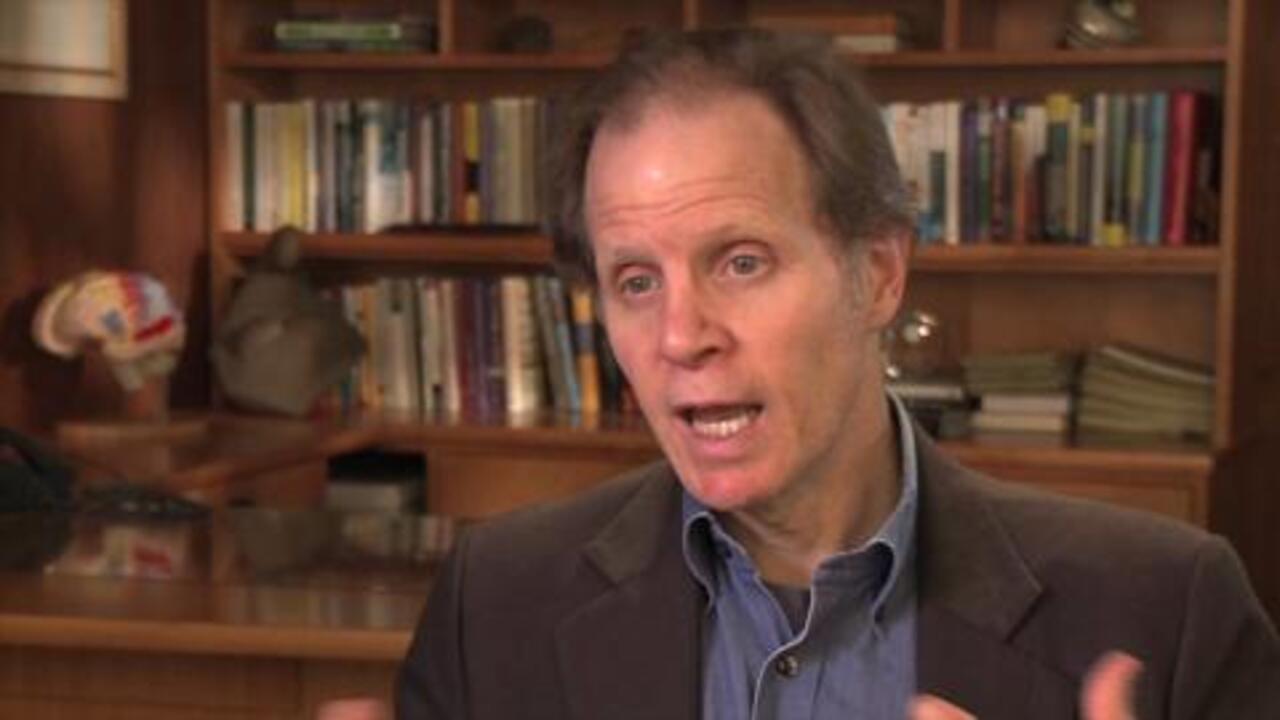
While there’s no cure for ALS, there are treatment options available that can help reduce its effects. Robin Miller, MD, discusses the life expectancy of those diagnosed with ALS and offers some hope for the future of the disease.
Transcript
Progression is not always in a straight line. Some patients can have periods of weeks or months where there is very little loss of function.
Life expectancy with ALS once diagnosed generally between two and five years. However, the disease is different for each patient
and many people with ALS live beyond five years or more. Half live more than three years after diagnosis.
About 20% of patients live five years, 10% live 10 years, and 5% will live 20 years or more.
There are two drugs approved for the treatment of ALS. One may help slow the progression and it may increase survival by two to three months.
The other drug reduces the decline in daily functioning by reducing oxidative stress in patients with ALS.
Neither drug provide a cure. The rest of the treatments are focused on comfort to improve breathing, nutrition, relieve pain, maintain muscle
tone as long as possible, and treatment for depression if necessary.
I wish I had the answer to know how ALS will be cured, but I do believe it will be. Researchers are working on various approaches.
They've been able to turn off the gene that makes the protein and decrease or stop the progression of the disease in animals.
Other researchers are investigating stem cells as a possible cure. Fortunately, the Ice Bucket Challenge that 17 million Americans participated in
has provided funding, so vigorous research can and will continue.
brain health nervous system
Browse videos by topic categories
A
B
C
D
E
F
G
H
I
J
K
L
M
N
O
P
Q
R
S
T
U
V
W
X
Y
Z
ALL